
Lula’s Comment on Drug Traffickers as ‘Victims’ Fuels Political Polarization in Brazil
A controversial remark by President Lula during a trip to Indonesia about drug traffickers being 'victims of users' sparked fierce opposition backlash.
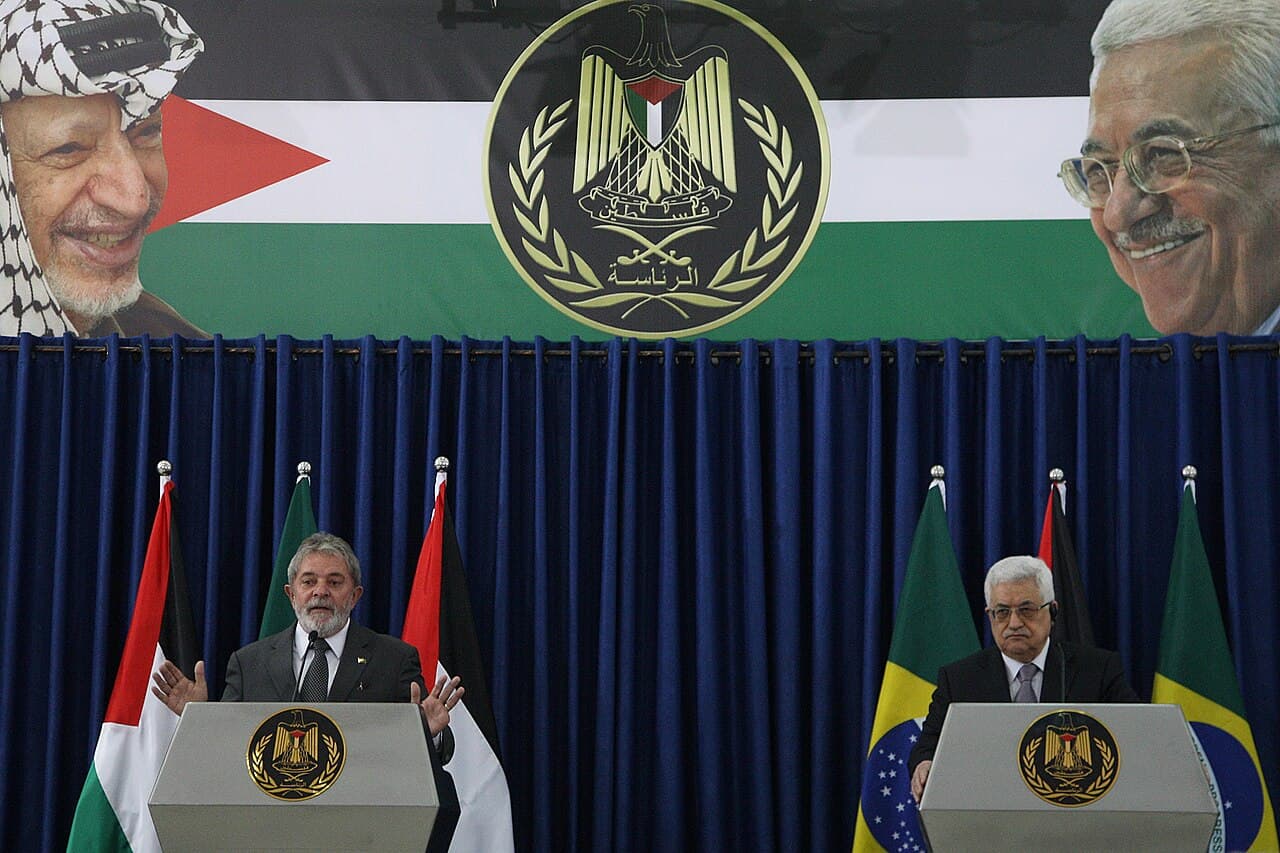
President Luiz Inácio Lula da Silva amplified political risk and handed a fresh talking point to his opposition last week after stating that drug traffickers are "victims of users also," a remark he later called "mal colocada" (poorly placed) in a public retraction. The comment was made during a press conference in Jakarta, Indonesia, while the President was criticizing the aggressive anti-drug trafficking policies pursued by the United States government in the Caribbean.
Lula's core argument was that the global fight against drugs should focus more on domestic consumption and less on military action outside a country's borders, stating there is a mutual dependence: "people who sell because there are buyers, and people who buy because there are sellers". He suggested it would be "easier" to combat domestic drug addiction than to launch international operations. While framed as a foreign policy critique, the statement's implication—that criminals are victims—immediately ricocheted through the highly polarized environment of Brazilian politics.
The political opposition, particularly those aligned with the security-focused right, seized on the remark as proof that the government is "soft on crime." Opposition figures, including federal deputies and the Secretary of Public Security for São Paulo, framed the comment as an attempt to "romanticize the criminal," arguing that the true victims are the Brazilian people affected by violence and drug-related crime. One deputy from the Liberal Party (PL) sarcastically suggested that at this rate, Brazil's largest organized crime faction, the PCC, would soon become an NGO.
The firestorm forced a quick course correction from the presidential palace. Lula used social media to issue a clarification, acknowledging that the phrase was "mal colocada" (poorly placed). He reaffirmed his government's "very clear" stance against organized crime and drug traffickers, citing record drug seizures, a major operation against crime factions, and the submission of a public security constitutional amendment (PEC da Segurança Pública) to Congress as proof of his commitment.
The incident highlights the deep divide and political polarization consuming the government’s bandwidth. Public security is an emotional and highly salient topic in Brazil, making a leader’s stance on drug trafficking and crime a potent political weapon. The opposition's rapid mobilization ensures that the narrative of Lula being sympathetic to criminals will be a continuing source of political risk, distracting the administration from its core economic agenda.
Related coverage
Politics · PRO
Bolsonaro Camp Drafts Debt-Linked Fiscal Rule as Brazil’s Debt-to-GDP Nears 82%
Published
Politics · PRO
Brazilian Congress Overrides Lula Veto on Indigenous Lands Law in Win for Agribusiness Lobby
Published
Politics · PRO
Brazil’s STF Curbs ‘Fiscal War’ Tactics by Striking Down Minas Gerais Tax Breaks Based on Product Origin
Published