
Flávio Bolsonaro’s Fiscal Team Pitches R$1.1 Trillion Saving Plan by Decoupling Benefits from Minimum Wage
The economic team for presidential candidate Flávio Bolsonaro is proposing a long-term fiscal adjustment that would see pensions and social benefits increase only with inflation, aiming to save R$1.1 trillion over a decade.
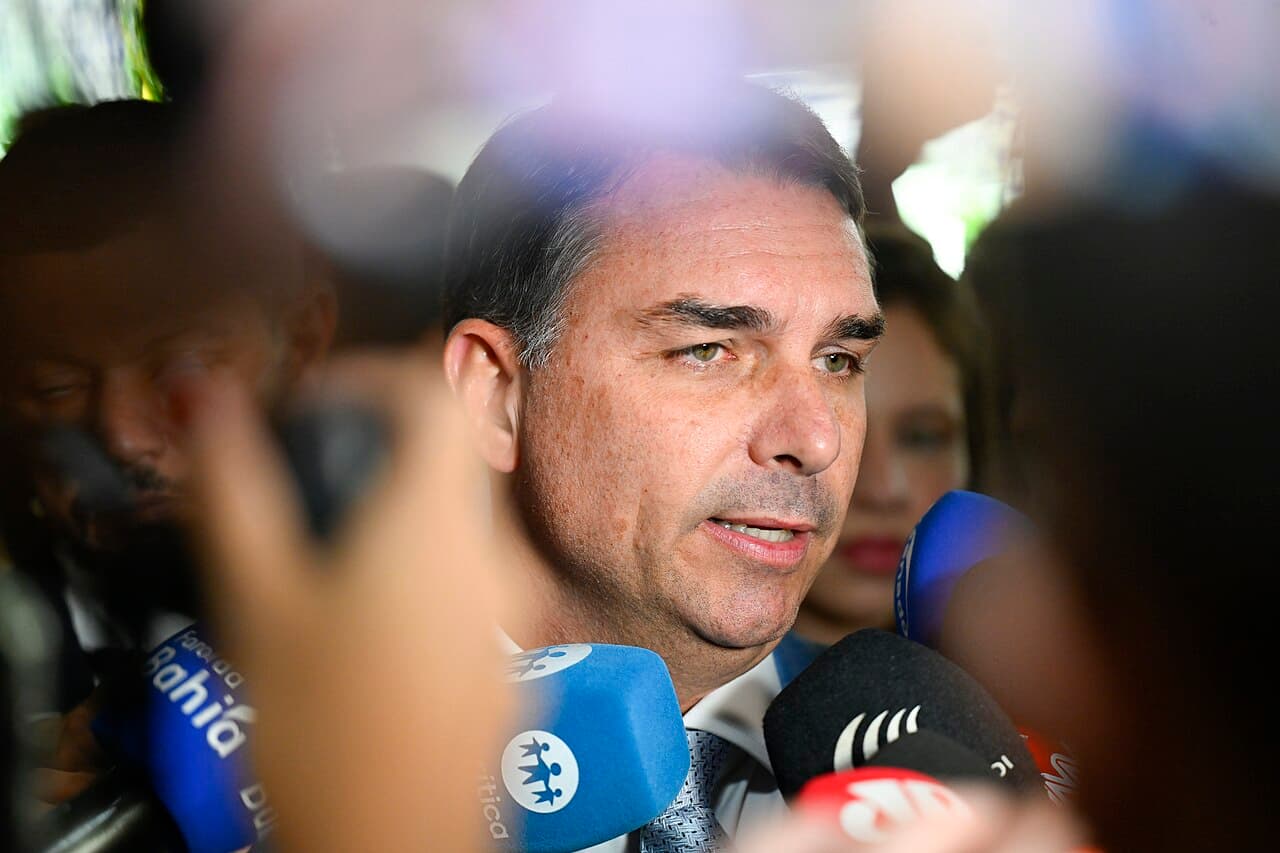
The economic team advising Senator and presidential candidate Flávio Bolsonaro has outlined a high-stakes fiscal adjustment plan that would generate an estimated R$1.1 trillion ($212 billion) in savings over ten years by fundamentally changing how key social benefits and public spending floors are calculated. The core of the proposal is to decouple the annual adjustment of retirement pensions and the social assistance benefit, the Benefício de Prestação Continuada (BPC), from Brazil’s minimum wage, tying them instead only to official inflation.
Currently, by law, the minimum wage is frequently adjusted above the rate of inflation, providing a real (after-inflation) gain for millions of Brazilians. Because the vast majority of social benefits and smaller pensions are pegged to the minimum wage, this provides a critical, reliable floor for the country’s most vulnerable. The Bolsonaro team’s proposal would break that link, ensuring that these benefits—which sustain nearly 70% of all National Social Security Institute (INSS) beneficiaries and 100% of BPC recipients—would only receive a cost-of-living adjustment, effectively ending any real income gains for recipients over the coming decade.
The BPC, in particular, is a monthly benefit equal to the minimum wage paid to elderly and disabled Brazilians who live in poverty. This change is described by critics as a "major cut" (tesouraço), arguing it would place the burden of fiscal adjustment squarely on the poorest, who rely on these payments to fuel local commerce, especially in the interior of the country. The team argues this aggressive fiscal shock is necessary to stabilize public debt and create space for lower long-term borrowing costs for the Latin American economy.
De-Linking the Budget
The plan goes further than social benefits, also advocating for the decoupling of constitutional minimum spending floors for public health and education. Under current Brazilian law, the federal government must allocate a minimum percentage of its revenue to these sectors. The proposal suggests these floors (desvinculação) should also be corrected only by inflation, rather than being tied to the growth in federal revenues. This change would give a potential future administration significant additional budgetary flexibility but would also likely reduce the real-term share of the federal budget dedicated to these essential services over time.
The proposal represents a stark contrast in economic philosophy between Flávio Bolsonaro's right-wing campaign and the incumbent administration. Bolsonaro’s team has pledged an adjustment equivalent to about 1.5% of Gross Domestic Product (GDP) in just 18 months, while the current government has committed to protecting social programs and achieving a gradual fiscal adjustment. As a presidential candidate, Mr. Bolsonaro has not yet released a full, detailed economic plan, leaving the specifics of the R$1.1 trillion saving measure up for interpretation and debate as the election approaches.
What it touches
A potential structural saving of R$1.1 trillion over ten years addresses a key investor concern: Brazil's long-term sovereign debt and the unsustainable growth of mandatory spending, particularly pensions. A successful adjustment could be seen by the market as a significant step toward improving the country's credit rating, potentially reducing the required risk premium for long-term Brazilian government bonds. The move signals a clear intent to prioritize fiscal health via expenditure cuts, a factor closely monitored by holders of Brazilian sovereign debt.
Related coverage
 Court Delay on Brazil Shorter Workweek Eases Corporate PressuresSupreme Court Justice Luiz Fux halts a virtual trial on Brazil's 6x1 to 5x2 workweek transition, resetting votes but leaving a temporary December start date active.
 US Tech Investors Track Brazil Semiconductor Industry PushBrazilian President Lula proposed integrating the nation's critical minerals with the Philippine chip sector to create new South-South tech supply chains.
 Senator's Escape to Florida Heightens Brazil Geopolitical RiskSenator Flávio Bolsonaro's sudden flight to Florida after his election defeat defies a Supreme Court passport order and escalates political tensions.