
Former Senate President Rodrigo Pacheco Secures Lifelong Seat on Brazil’s Key Audit Court
Ex-Senate President Rodrigo Pacheco was sworn in as a Minister of the TCU, Brazil’s federal audit court, securing a 26-year term in a politically backed move.
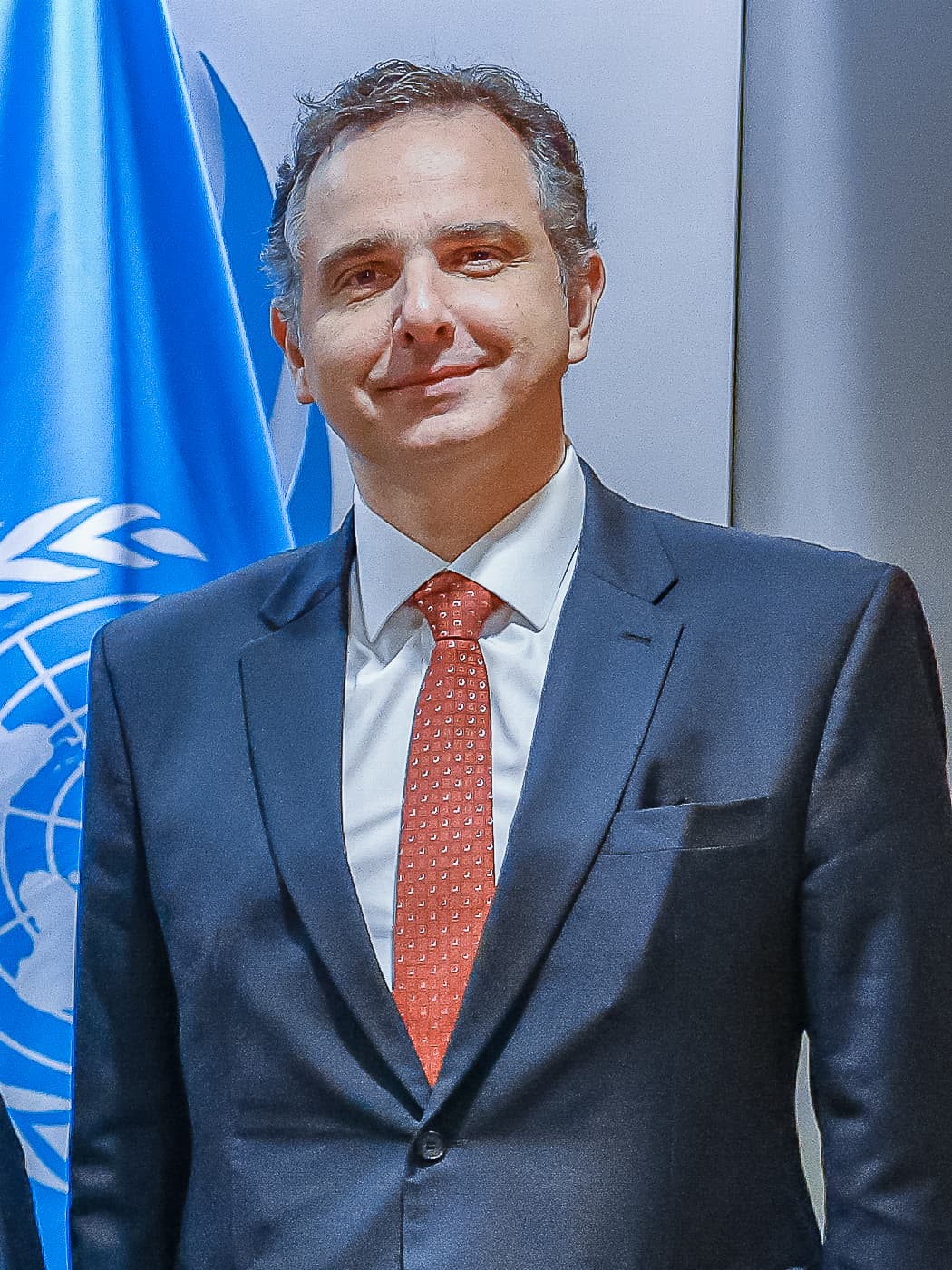
Former Senate President Rodrigo Pacheco was sworn in as a Minister of the Federal Court of Accounts (TCU) on September 30, 2026, securing a vital, lifelong position on the body responsible for auditing all major federal public spending in Brazil. The appointment of the 49-year-old former head of the legislature to the country’s main external audit office, the Tribunal de Contas da União, is a clear signal of continued political influence over the institution meant to act as a check on the Executive Branch.
The position offers a tenure until mandatory retirement at age 75, meaning Pacheco could serve as a federal auditor for 26 years. He occupies one of the nine seats reserved for a Senate quota, following the recent resignation of Minister Bruno Dantas. His selection and confirmation process was swift, championed by influential political figures including then-Senate President Davi Alcolumbre (União Brasil-AP), underscoring the inherently political nature of appointments to the court.
For foreign readers, the TCU is the Brazilian federal audit office, acting as an auxiliary body to the National Congress. Its ministers oversee the use of public funds, audit major government contracts, and investigate corruption and malpractice, essentially having the power to halt or penalize large-scale infrastructure and policy projects. By moving from the political sphere to a powerful oversight role that typically requires technical expertise, Pacheco's appointment places a career politician with a strong partisan background (PSB) in a key role meant for non-partisan institutional control.
Pacheco’s move to the TCU follows a period of intense political maneuvering. A former two-time Senate President, he declined suggestions to run for governor of Minas Gerais, his home state, or to seek a seat on the Supreme Federal Court (STF), a post for which he was also previously considered. His appointment to the TCU was approved by a wide margin in both the Senate and the Chamber of Deputies, with President Luiz Inácio Lula da Silva formally nominating him, an essential final step even for a seat under the Congress’s quota.
The long tenure and the political route by which ministers arrive at the TCU mean that the decisions made by the court reflect the composition of the body at the time of their appointment, granting elected officials a lasting, non-electoral influence over the future of federal administration and public investment. Observers will now be watching how the new Minister, with his legislative background, approaches the auditing of major federal programs and infrastructure projects, particularly those backed by the current administration.
What it touches The TCU's oversight role means its decisions can directly affect traded assets, particularly those of state-owned enterprises like Petrobras or Eletrobras, as well as publicly traded construction and infrastructure firms that rely on federal contracts. Any TCU ruling on the legality of a major concession or public-private partnership can impact the value of these long-term projects.
Related coverage
 Court Delay on Brazil Shorter Workweek Eases Corporate PressuresSupreme Court Justice Luiz Fux halts a virtual trial on Brazil's 6x1 to 5x2 workweek transition, resetting votes but leaving a temporary December start date active.
 US Tech Investors Track Brazil Semiconductor Industry PushBrazilian President Lula proposed integrating the nation's critical minerals with the Philippine chip sector to create new South-South tech supply chains.
 Senator's Escape to Florida Heightens Brazil Geopolitical RiskSenator Flávio Bolsonaro's sudden flight to Florida after his election defeat defies a Supreme Court passport order and escalates political tensions.