
Brazil’s Gross Public Debt Hits Near Five-Year High, Driven by High Interest Costs
Brazil's gross public debt climbed to 82.9% of GDP in August, the highest level since late 2021, driven by high debt-servicing costs despite a better-than-expected primary deficit.
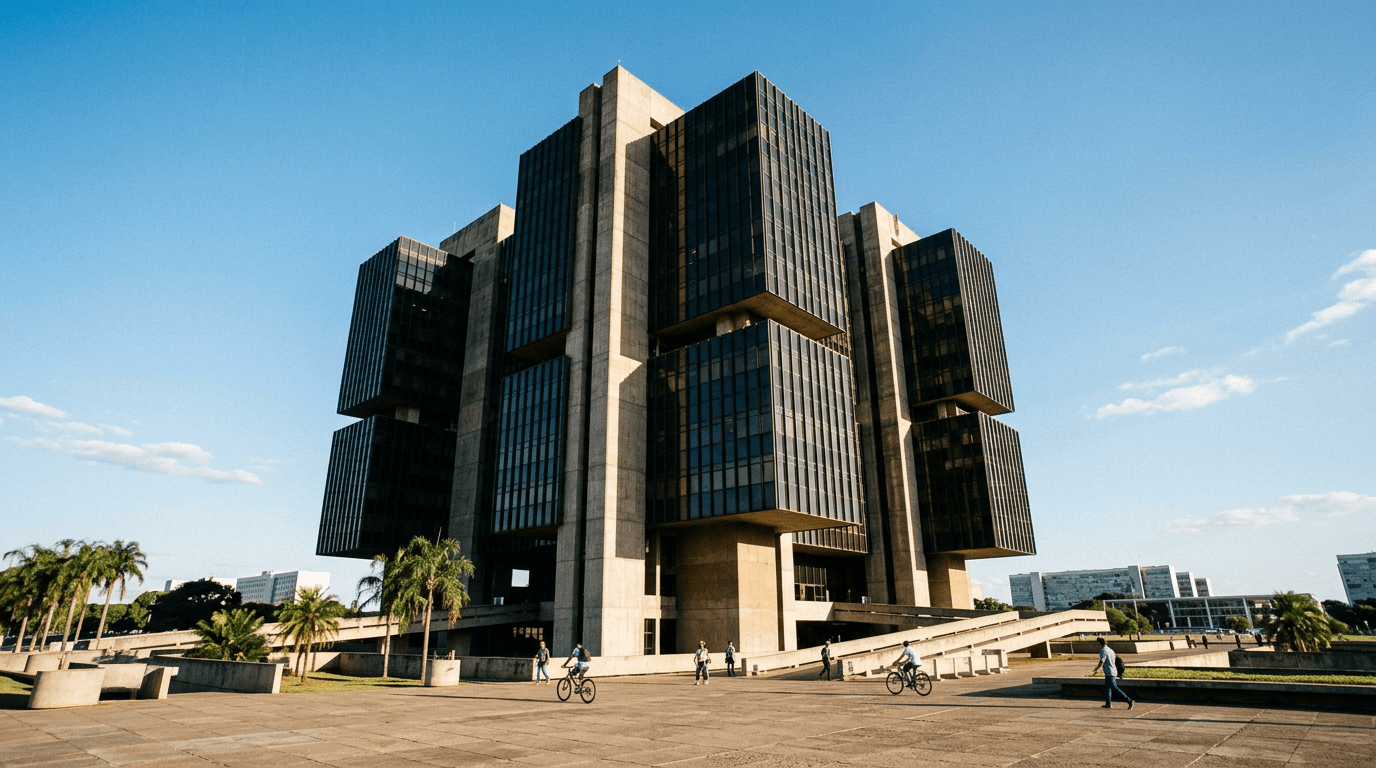
Brazil's Gross Public Debt rose to 82.9% of Gross Domestic Product (GDP) in August, an increase from 82.5% in July, marking a multi-year high and renewing concerns over the country’s long-term fiscal health, according to data released by the Central Bank of Brazil (BCB) on Wednesday. The continued upward trend confirms a structural fiscal challenge in Latin America’s largest economy, where rising debt-servicing costs consistently outpace new revenues.
The latest figure is the highest reported since October 2021 and extends an increase that began three months ago. The BCB data underscores that the debt accumulation is driven primarily by the high cost of servicing the existing debt, not by an out-of-control operational shortfall. Interest payments on the massive debt stock have been compounded by the country’s high benchmark Selic rate, currently set at 13.75%, making Brazil one of the world's most expensive borrowers.
The high interest rate environment, while necessary to contain inflation, has worsened the sovereign's debt profile by making a majority of its obligations—52.7% as of August—subject to the floating Selic rate. This structural dynamic means that the federal government's liabilities are deeply sensitive to the central bank's monetary policy decisions, creating a direct fiscal drag that complicates the government’s efforts to stabilize the public accounts.
Paradoxically, the fiscal data showed a better-than-expected short-term performance on the primary balance, which excludes interest payments. The consolidated public sector—comprising the central government, states, municipalities, and state-owned enterprises—posted a primary deficit of approximately R$10.0 billion (US$1.92 billion) in August, a figure better than the R$15.7 billion deficit anticipated by the market. This result was achieved despite a R$14.7 billion shortfall from the Central Government, which was partially offset by a combined surplus from the regional and state-owned sectors.
The persistent rise in the overall debt-to-GDP ratio despite this primary deficit beat suggests that the underlying issue for Brazil’s fiscal deterioration is the interest bill, which is steadily inflating the long-term risk premium. For the intelligent foreign observer, the key takeaway is that the country is not facing a cash-flow crisis, but a long-term solvency challenge that demands a credible and durable plan to generate substantial primary surpluses to counteract the burden of high interest rates.
What to watch next is the political will to approve the government's proposed measures to raise revenue and cut expenditure, which will determine whether the current trend of rising debt-to-GDP can be reversed. The path of the Selic rate, controlled by the BCB’s Monetary Policy Committee (Copom), will also be a major factor, as any sustained high rate environment will continue to feed directly into a worsening debt load.
What it touches
The rising public debt and the consequent increase in sovereign risk influence Brazil’s credit rating outlook, which determines the cost of borrowing for the entire economy. It increases the term premium demanded by investors on government bonds, notably those that are inflation-linked or indexed to the Selic rate. This dynamic influences the exchange rate between the U.S. dollar and the Brazilian Real (USD/BRL) and adds a permanent layer of risk to long-term investments in the country.
Related coverage
Politics
Brazil’s Presidential Candidates Avoid Detailing Painful Cuts Needed to Curb Rising Public Debt
Published
Politics · PRO
Brazil Formally Schedules Annual Power Auctions Through 2029, Locking in Role for Battery Storage
Published
Politics · PRO
Brazil’s Electoral Court Affirms Broad Power to Censor ‘Notoriously Untrue’ Political Speech
Published