
Brazil Electoral Court Orders Removal of Religious-Themed Election Posts, Deepening Free Speech Conflict
Brazil’s Superior Electoral Court voted 3-1 to remove social media posts about Nossa Senhora Aparecida, escalating a fight over judicial limits on political speech.
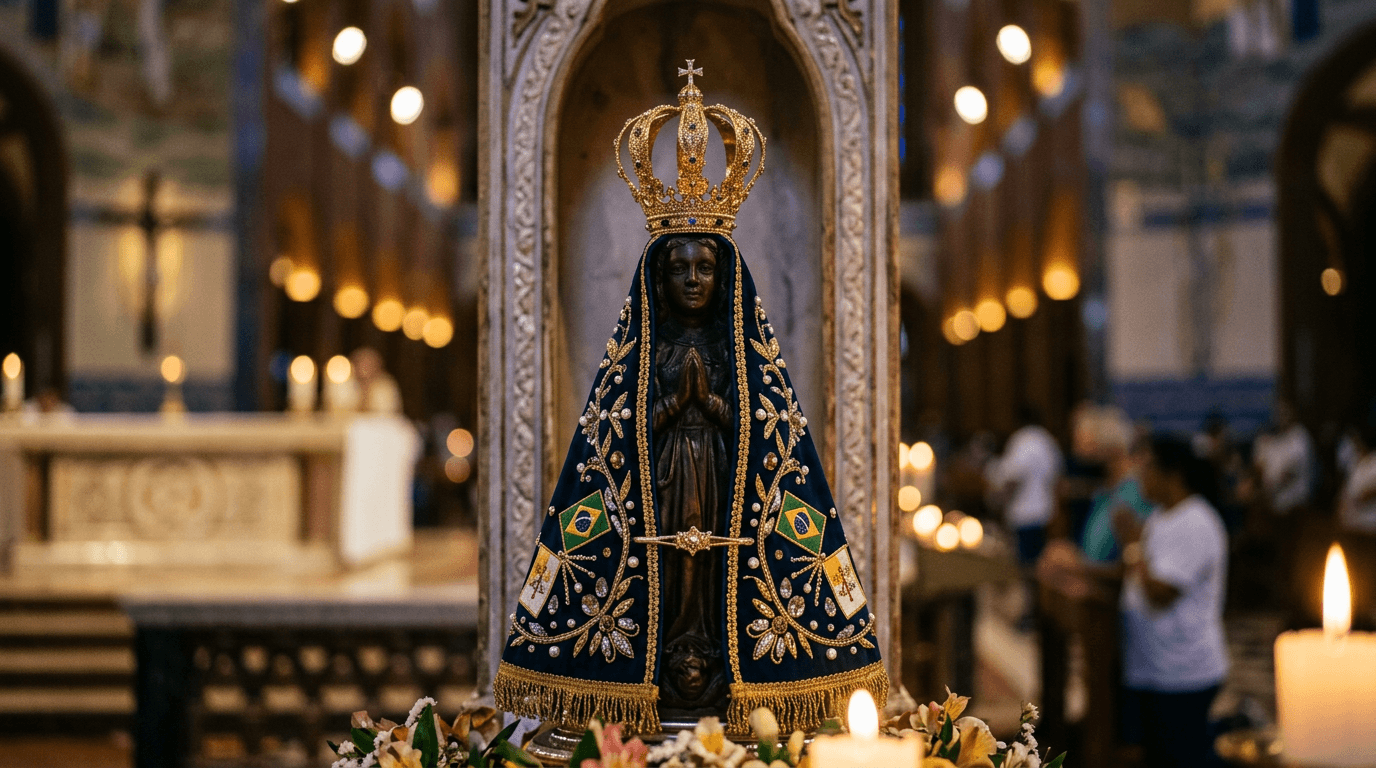
The Superior Electoral Court (TSE), Brazil's top electoral body, has ordered the removal of social media posts that leveraged the deeply significant religious figure Nossa Senhora Aparecida (Our Lady of Aparecida), the country’s patron saint, in a political dispute ahead of the national election. The court’s plenary voted 3-1 to uphold the decision to take down the content, which had targeted figures aligned with the Bolsonaro political family.
The ruling is the latest escalation in a bitter, high-stakes conflict between the judiciary and the political right over the limits of free speech and judicial intervention in the electoral process. The controversy centered on posts that falsely linked a candidate, Senator Flávio Bolsonaro, to a supposed plan to revoke the title of Nossa Senhora Aparecida as the Patroness of Brazil.
For a Brazilian, Nossa Senhora Aparecida, whose national holiday is celebrated on October 12, is a powerful symbol of faith and national identity, making any perceived attack on her a potent electoral weapon in a country with the world's largest Catholic population. The TSE characterized the posts as "notoriously untrue" and a form of misuse of communication media designed to create electoral damage.
The TSE’s move was the final resolution in a week of intense back-and-forth legal maneuvers involving justices from both the Electoral Court and the Supreme Federal Court (STF), as the two institutions often share judges. The case had seen several conflicting monocratic (single-justice) decisions, where ministers like André Mendonça (who first ordered the removal) and Flávio Dino (who briefly restored the posts citing freedom of expression) issued counter-orders. The final plenary decision resolves that immediate conflict, confirming the court's stance that such content must be suppressed to maintain the integrity of the election, even as critics decry it as censorship.
This intervention by the brazil superior electoral court signals the judiciary’s continued firm approach to policing online disinformation and political rhetoric, a posture that has become a defining characteristic of Brazil's modern elections. With the final round of voting rapidly approaching, the decision confirms that the TSE will use its power to remove content it deems false, deceptive, or an abusive use of religious symbols for political gain, further cementing its role as a key arbiter of political discourse.
The court’s action keeps the focus on the role of judicial oversight in a highly polarized political environment and will likely fuel further attacks on the judiciary by the Bolsonaro-aligned camp, who consistently portray such rulings as politically motivated attacks on conservative values. What remains to be seen is whether this decisive move will reduce the circulation of similar religious-themed misinformation in the final days of the campaign or simply provide more ammunition for anti-judiciary rhetoric.
Related coverage
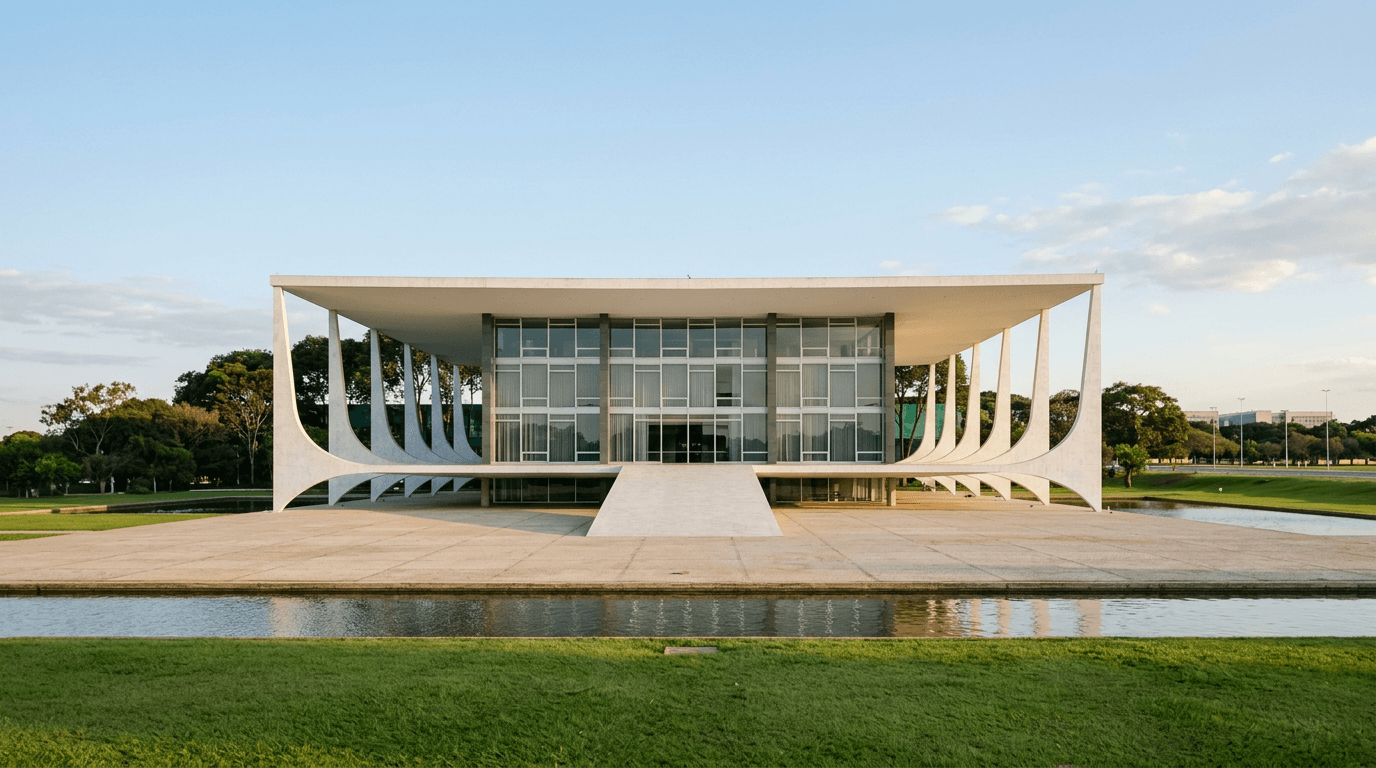 Court Delay on Brazil Shorter Workweek Eases Corporate PressuresSupreme Court Justice Luiz Fux halts a virtual trial on Brazil's 6x1 to 5x2 workweek transition, resetting votes but leaving a temporary December start date active.
 US Tech Investors Track Brazil Semiconductor Industry PushBrazilian President Lula proposed integrating the nation's critical minerals with the Philippine chip sector to create new South-South tech supply chains.
 Senator's Escape to Florida Heightens Brazil Geopolitical RiskSenator Flávio Bolsonaro's sudden flight to Florida after his election defeat defies a Supreme Court passport order and escalates political tensions.