Brazil Real hovers near 5.06 per dollar as rate cuts and runoff loom
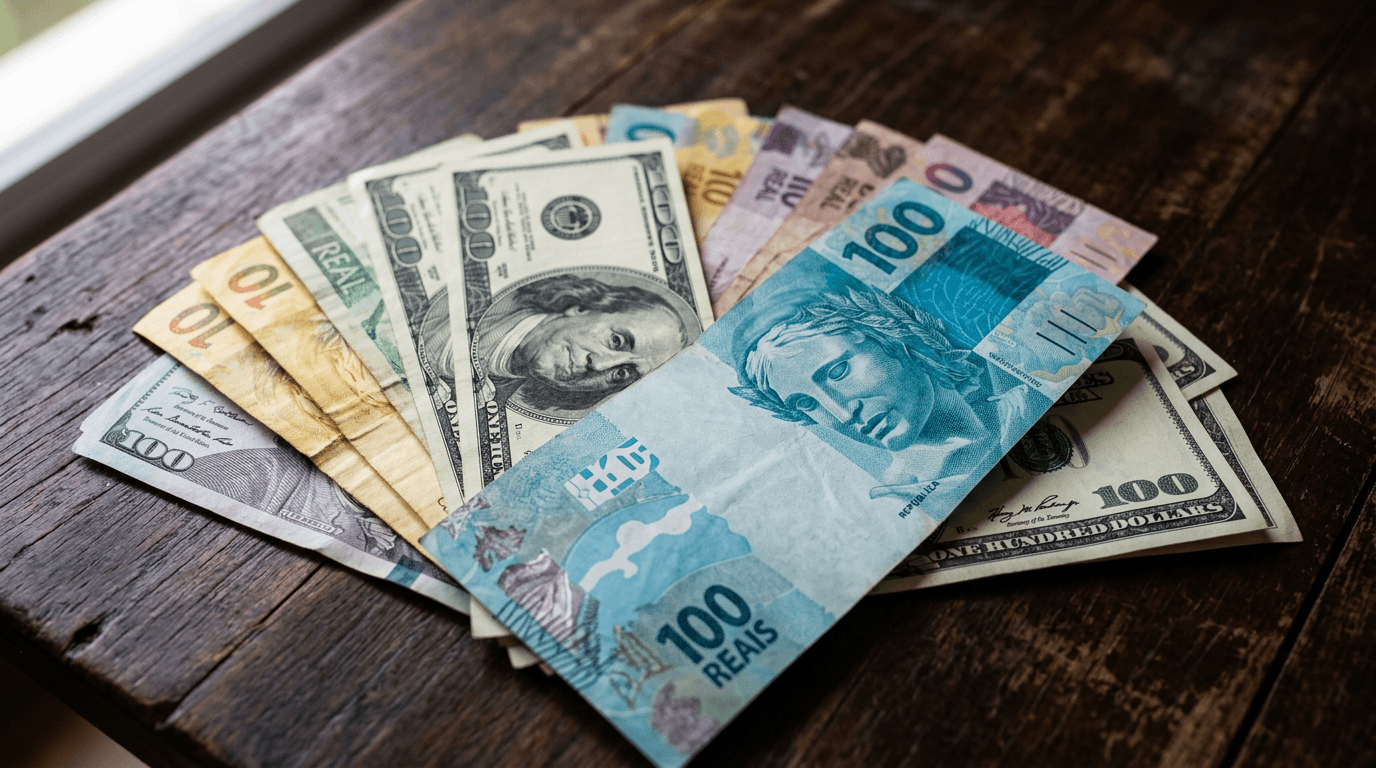
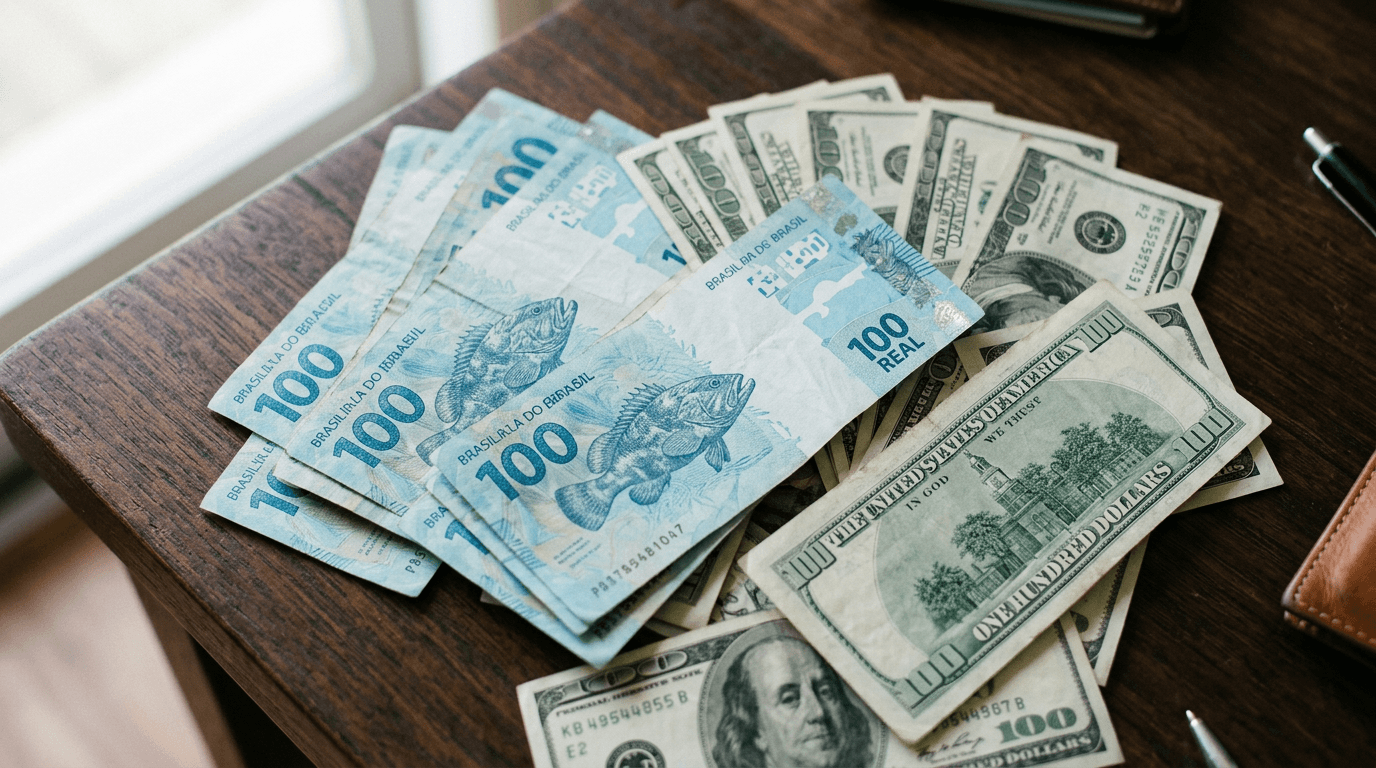
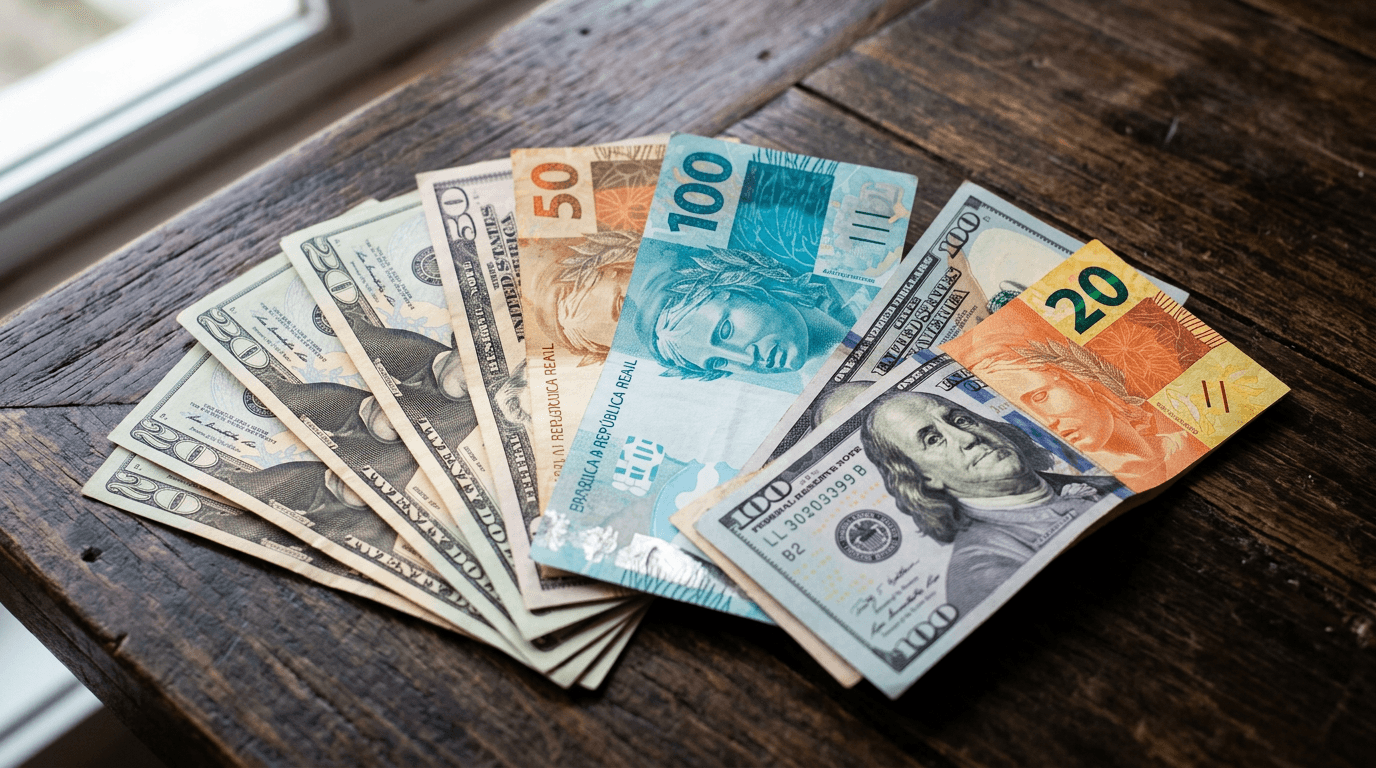
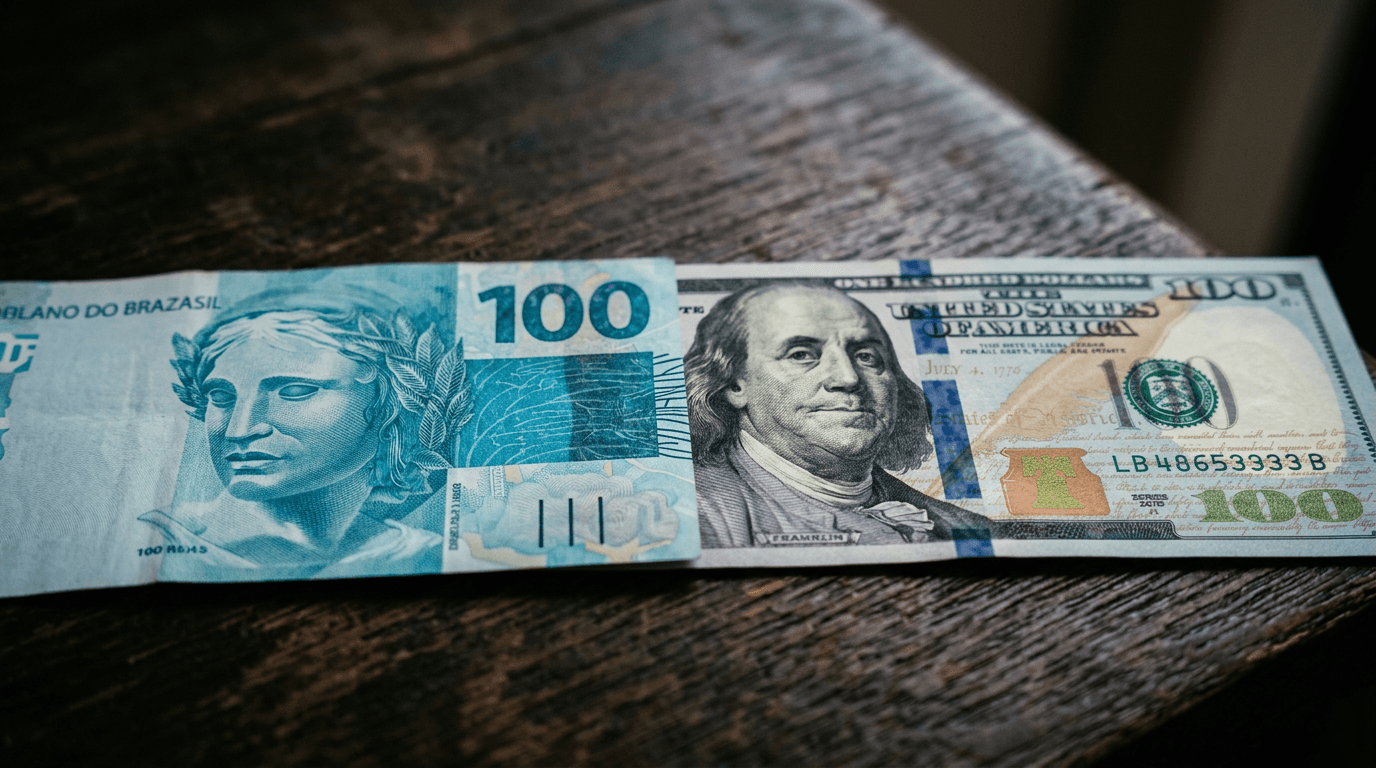
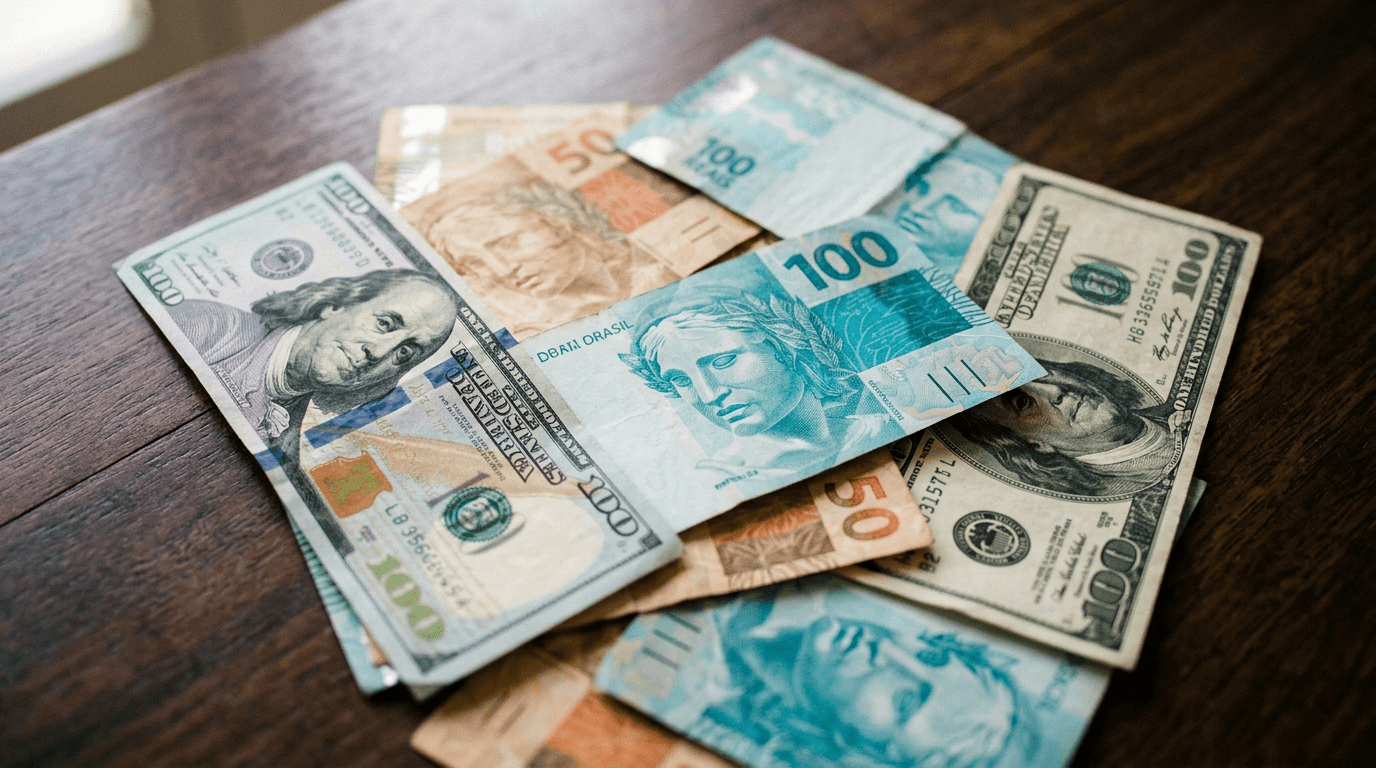
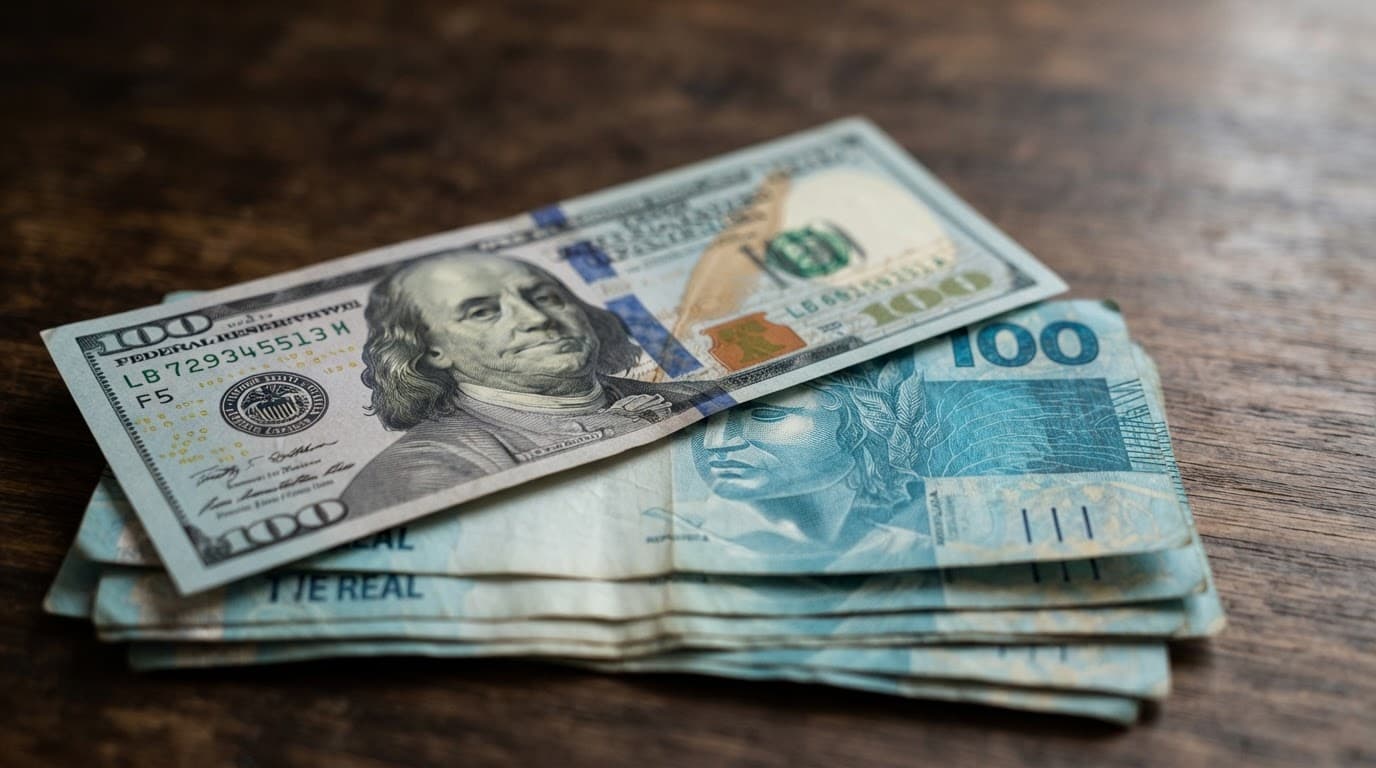
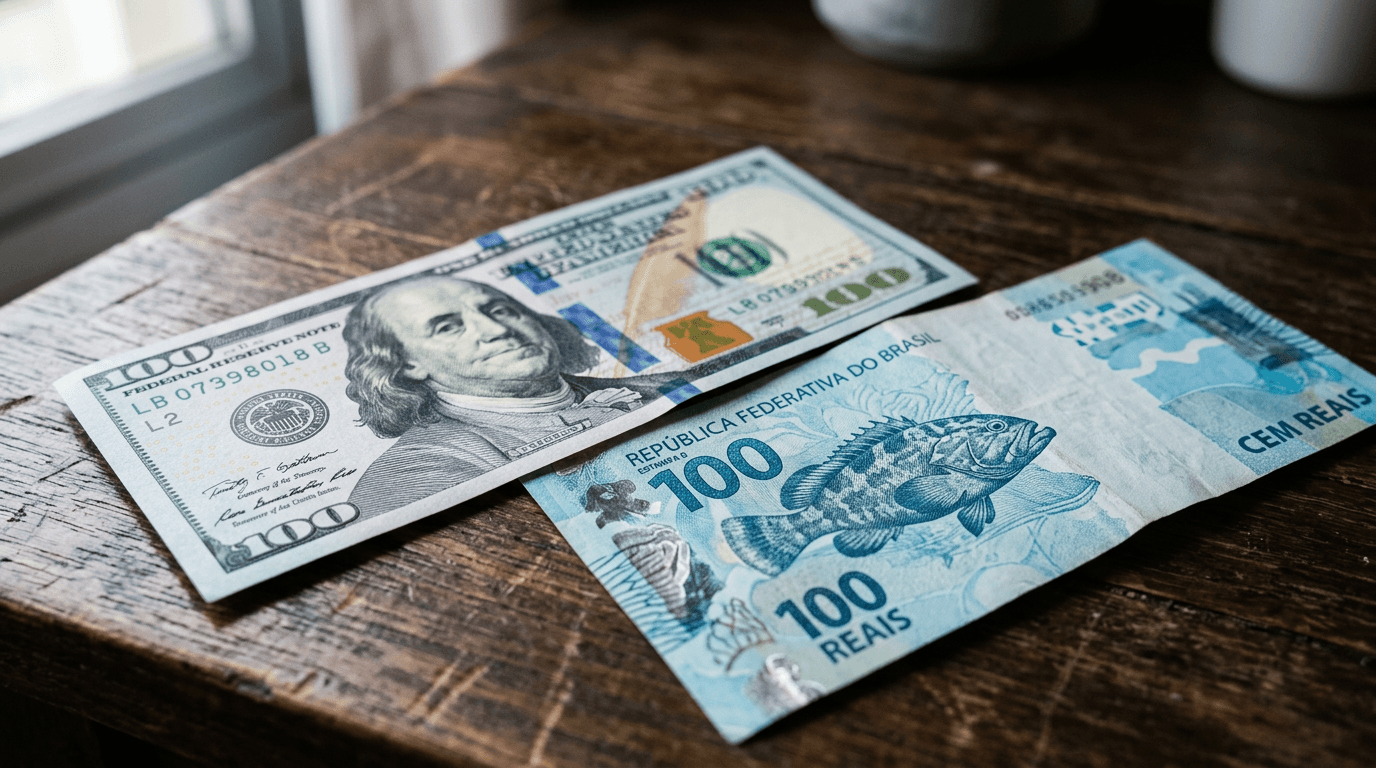
The Brazilian Real hovers at 5.06 per USD on October 19, 2026, as investors weigh consecutive rate cuts and a tight presidential runoff.


The Brazilian Real hovers at 5.06 per USD on October 19, 2026, as investors weigh consecutive rate cuts and a tight presidential runoff.
Brazil’s central bank maintains a world-leading real interest rate of 8.77%, providing a yield cushion for international portfolios amid domestic fiscal headwinds.
A sudden rally in the Brazilian real has triggered a performance bump in broad emerging market funds, though the country's small index weight limits the overall impact on your portfolio.
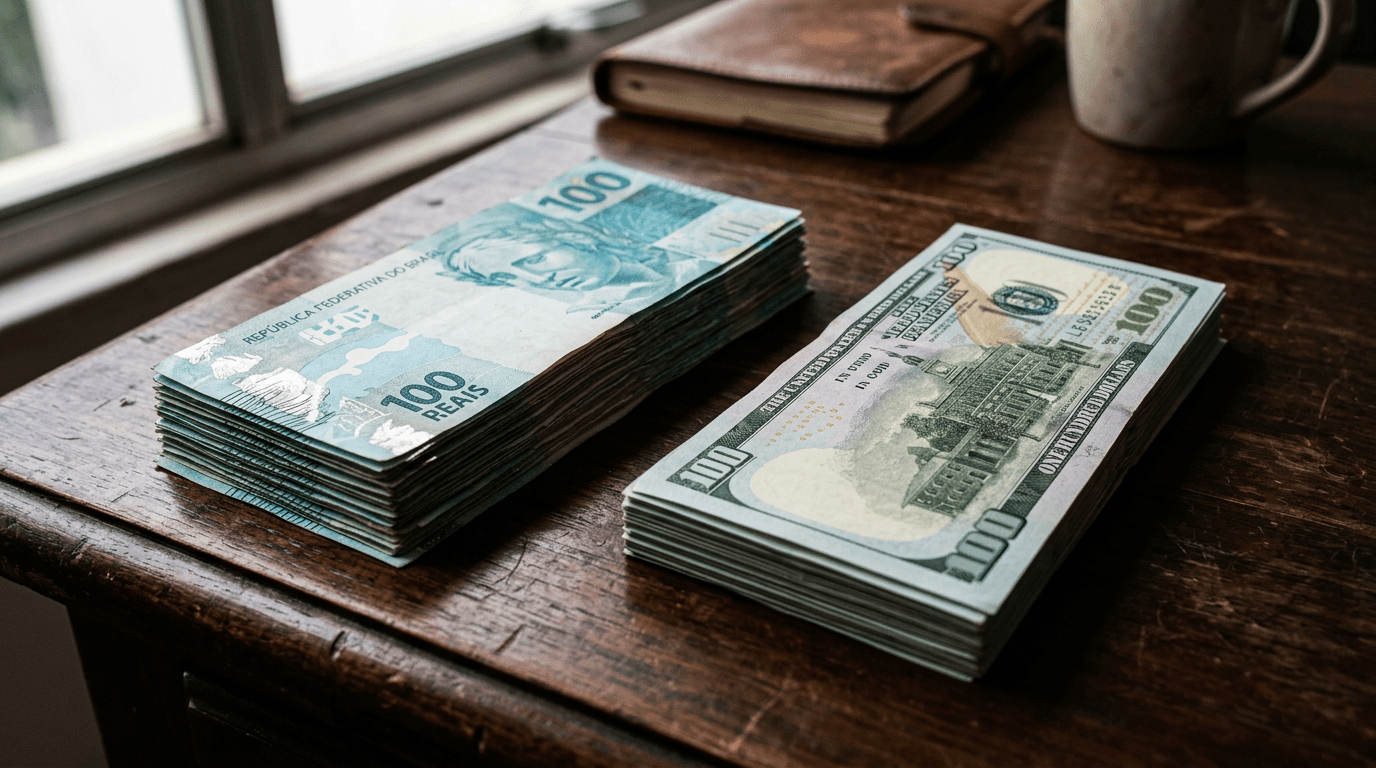
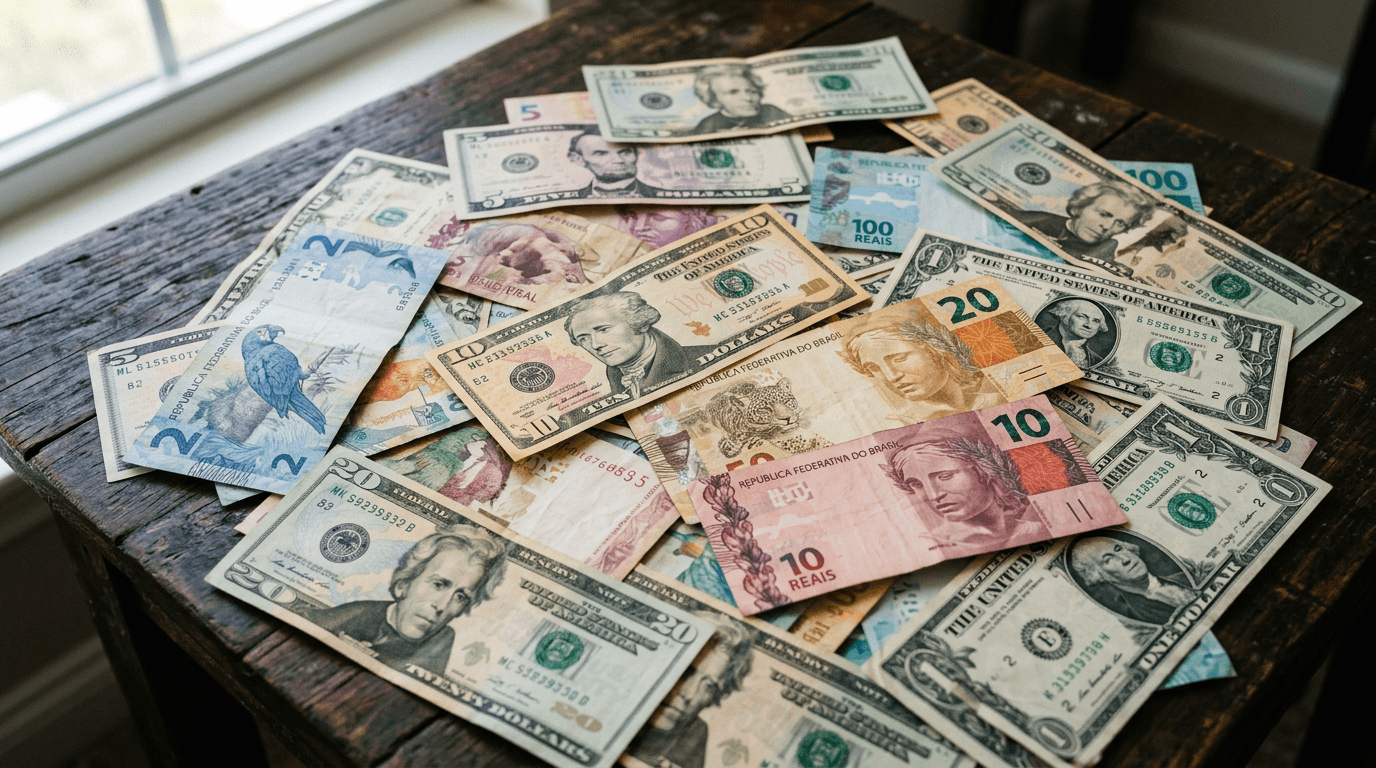
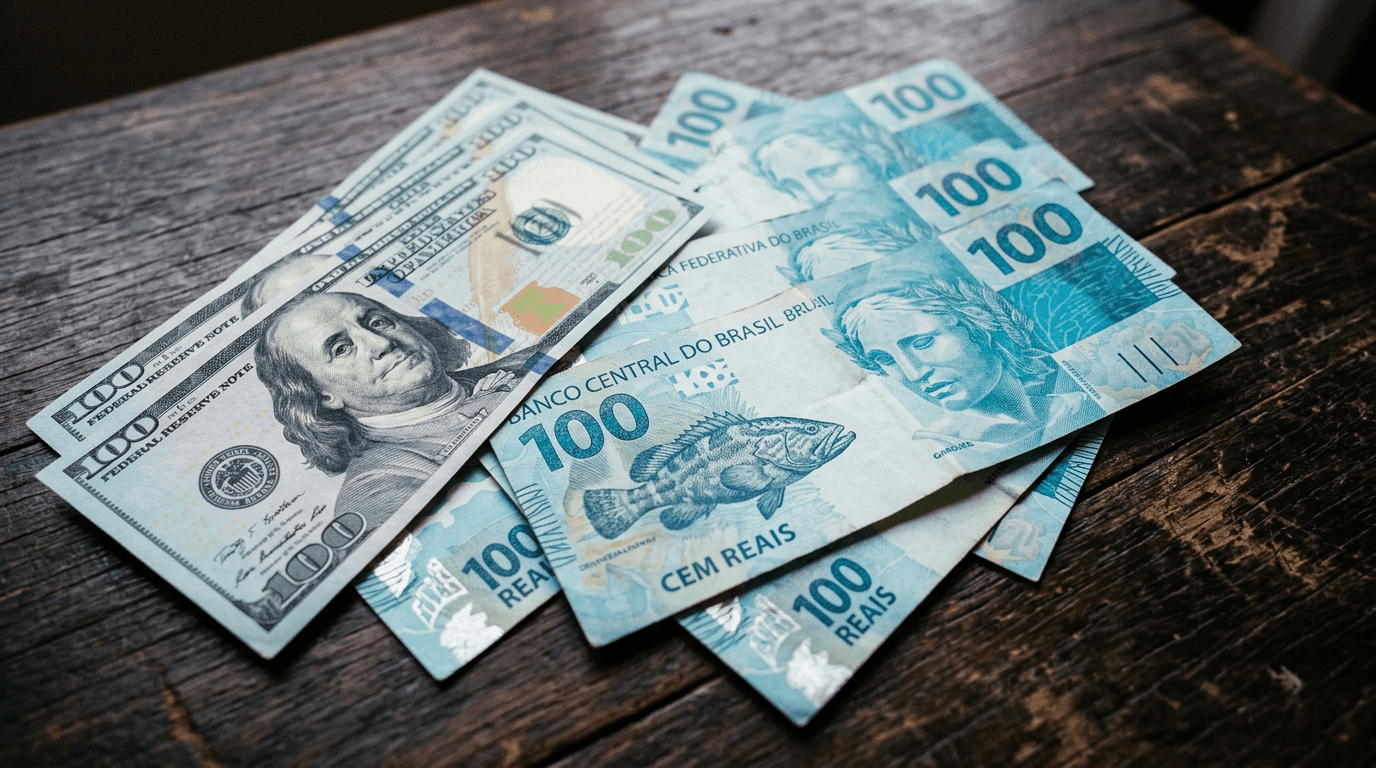
A massive 9.75 percentage point gap between Brazil's Selic rate and the Fed funds rate is shaping the brazil real to usd exchange rate.
As the Federal Reserve holds its upper rate target at 4.0% and Brazil trims its Selic target to 13.75%, a narrowing yield gap is reshaping the carry trade.
The shrinking 9.75-point gap between U.S. and Brazilian interest rates is reshaping the brazil real vs dollar trade and impacting major emerging market funds.
A shrinking yield gap between the Federal Reserve and Brazil's central bank alters the math for global income investors holding emerging market assets.
The yield gap between the U.S. Federal Reserve and Brazil's central bank has narrowed to 9.75 percentage points, shifting the math for global currency trades.
The yield spread between the Fed and Brazil's central bank has narrowed to 9.75 percentage points, altering the math for global currency and bond investors.
Brazil's central bank maintains deeply restrictive double-digit interest rates, offering a massive yield cushion that supports the real and mitigates capital flight.
A shrinking yield gap between the Fed and Brazil's central bank alters the math for global carry trade investors holding the Brazilian real.
The 9.75-point interest rate gap between the US and Brazil is driving global carry trades and moving the price of major emerging-market ETFs.
A narrowing interest rate gap between the Federal Reserve and Brazil's central bank is altering the math for global carry traders and US retail investors.
A sudden rally in the Brazilian real to a 17-month high of 4.98 per USD is lifting dollar-denominated returns for broad emerging market ETFs.
As the Federal Reserve lowers its target rate to 4.0%, Brazil's central bank holds its Selic rate at 13.75%, shifting the yield gap for global investors.
As the Fed keeps its rate ceiling at 4.0%, Brazil’s central bank holds its benchmark Selic at 13.75%, leaving a massive 9.75-point yield gap for global investors.
Brazil's central bank executed a dual-leg spot and swap intervention to manage volatility, highlighting the currency risks facing foreign retail portfolios.
The interest rate gap between the Federal Reserve and Brazil's central bank has narrowed to 9.75 percentage points, shifting the math for global yield seekers.
Foreign investors are reconsidering Brazil's high-yielding currency as consecutive interest rate cuts by the Central Bank erode the lucrative carry trade.
The Brazilian real and local equities advanced as investors adjusted to a stronger-than-expected conservative showing in the first-round election.
Brazil's tight presidential race between Lula and Flávio Bolsonaro has put the country's currency and public debt under intense focus.
The Brazilian real faces heavy pressure near 5.23 per US dollar as a dead-heat presidential race between Lula and Flávio Bolsonaro fuels investor anxiety.
International investors are scaling back exposure to the Brazilian Real, unwinding a major carry trade ahead of the October 4 presidential election due to long-term fiscal uncertainty.
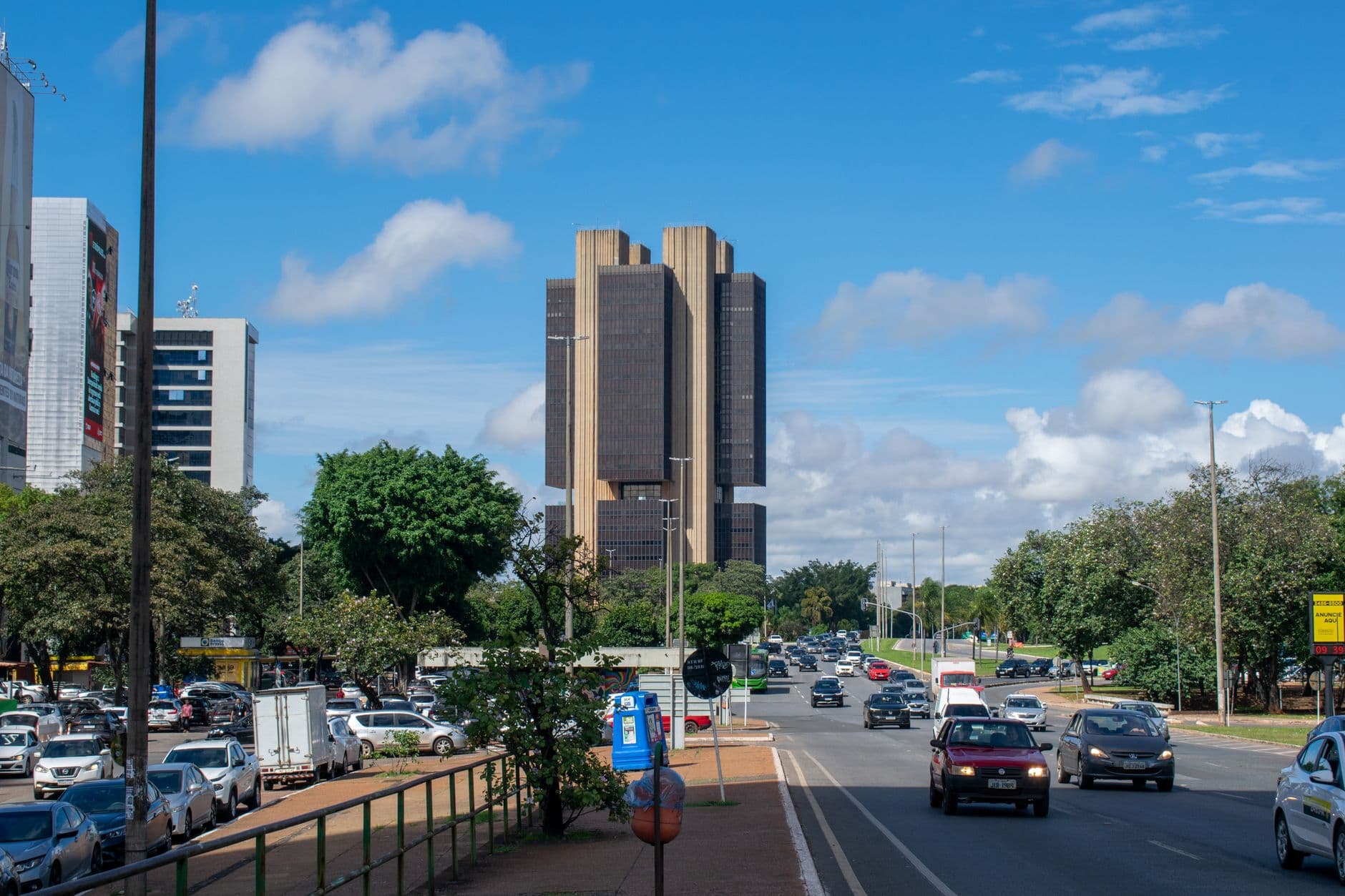
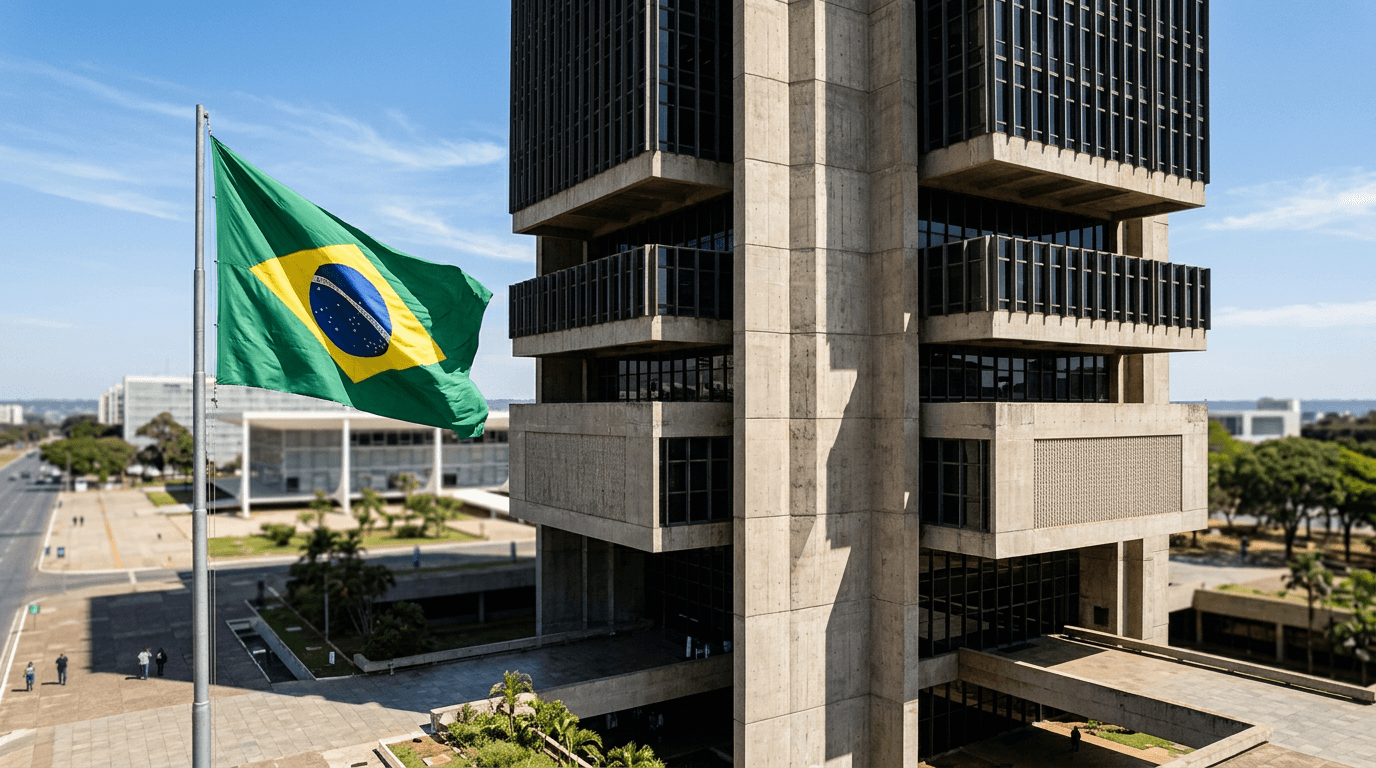
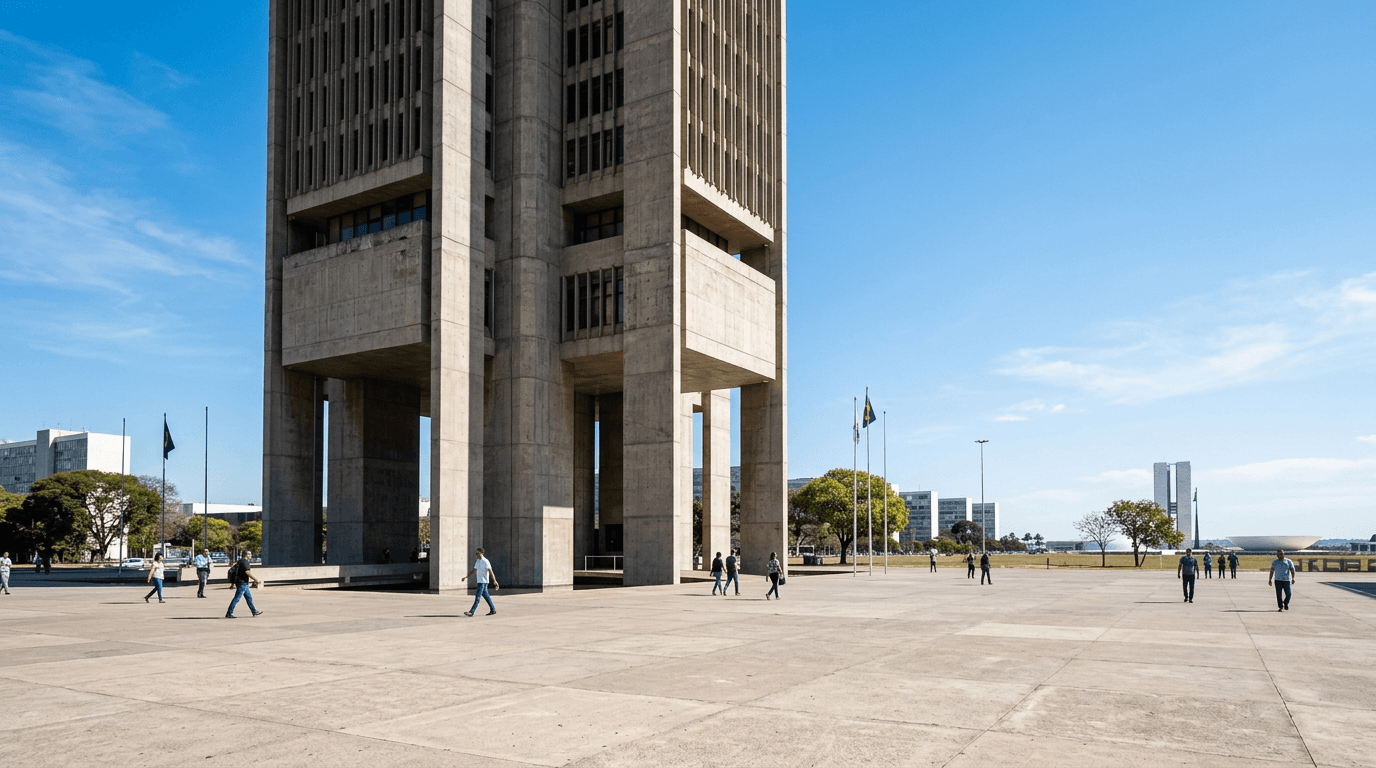
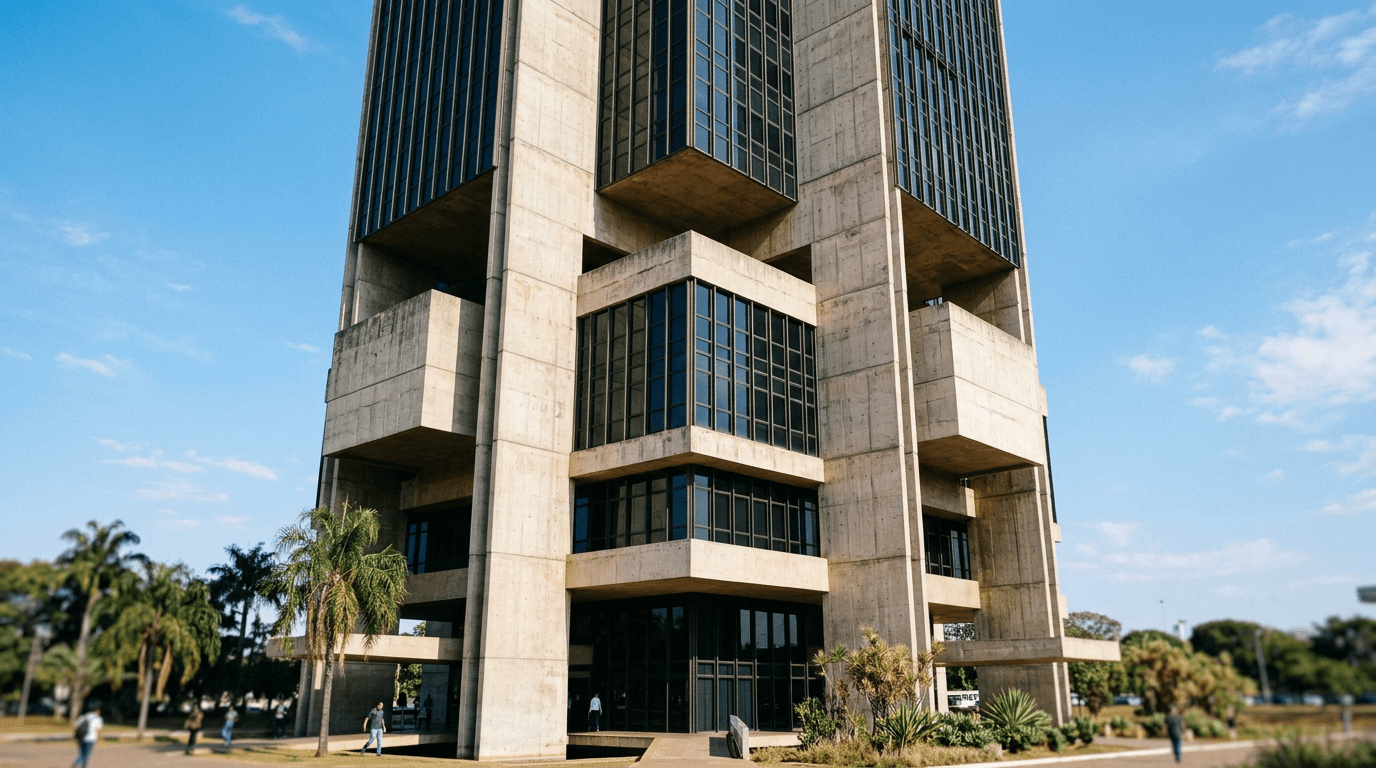
The Banco Central do Brasil is modernizing its foreign exchange rules, easing currency management for exporters while explicitly banning stablecoins for settlement in the popular electronic FX channel starting October 1.
New rules from the Banco Central, effective October 1, allow more companies to hold foreign currency accounts domestically, cutting costs for international business.
The Brazilian Real hovers near R$5.20 against the dollar, burdened by political uncertainty and fiscal risk ahead of the October election.
Goldman Sachs projects the USD/BRL exchange rate could swing from R$4.50 to over R$5.80, contingent on the new government’s commitment to fiscal discipline.
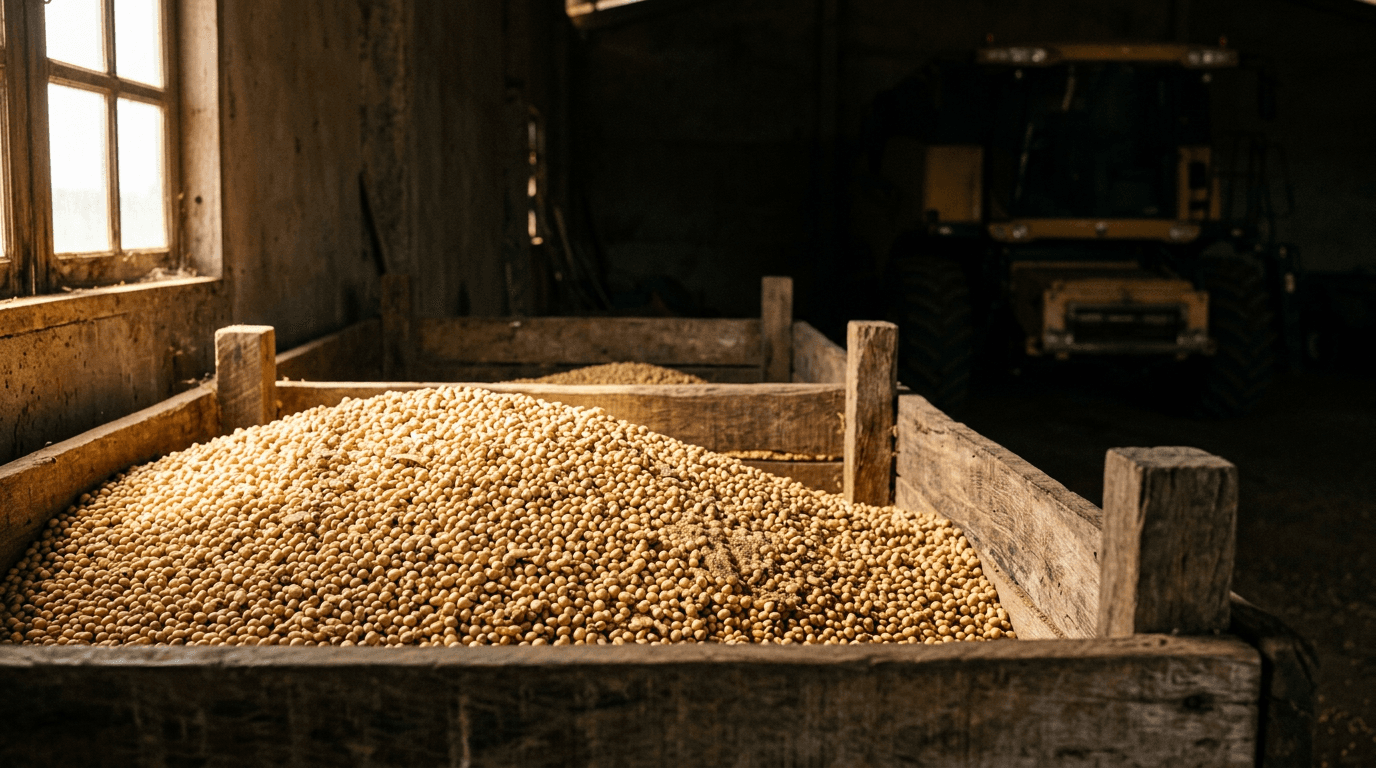
Chinese commercial buyers have sharply reduced purchases of Brazilian soybeans after the US and China extended a trade truce.
Uncertainty over a credible fiscal plan from presidential candidates is raising the risk premium on the Brazilian Real, as the country's high public debt remains sensitive to interest rate policy.
Political uncertainty ahead of Brazil's presidential election sent the Real to its highest level against the dollar since August, prompting a currency market intervention by the Central Bank.