
Brazil’s Real Trades with an Election Risk Premium as Fiscal Worries Overshadow High Rates
The Brazilian Real hovers near R$5.20 against the dollar, burdened by political uncertainty and fiscal risk ahead of the October election.
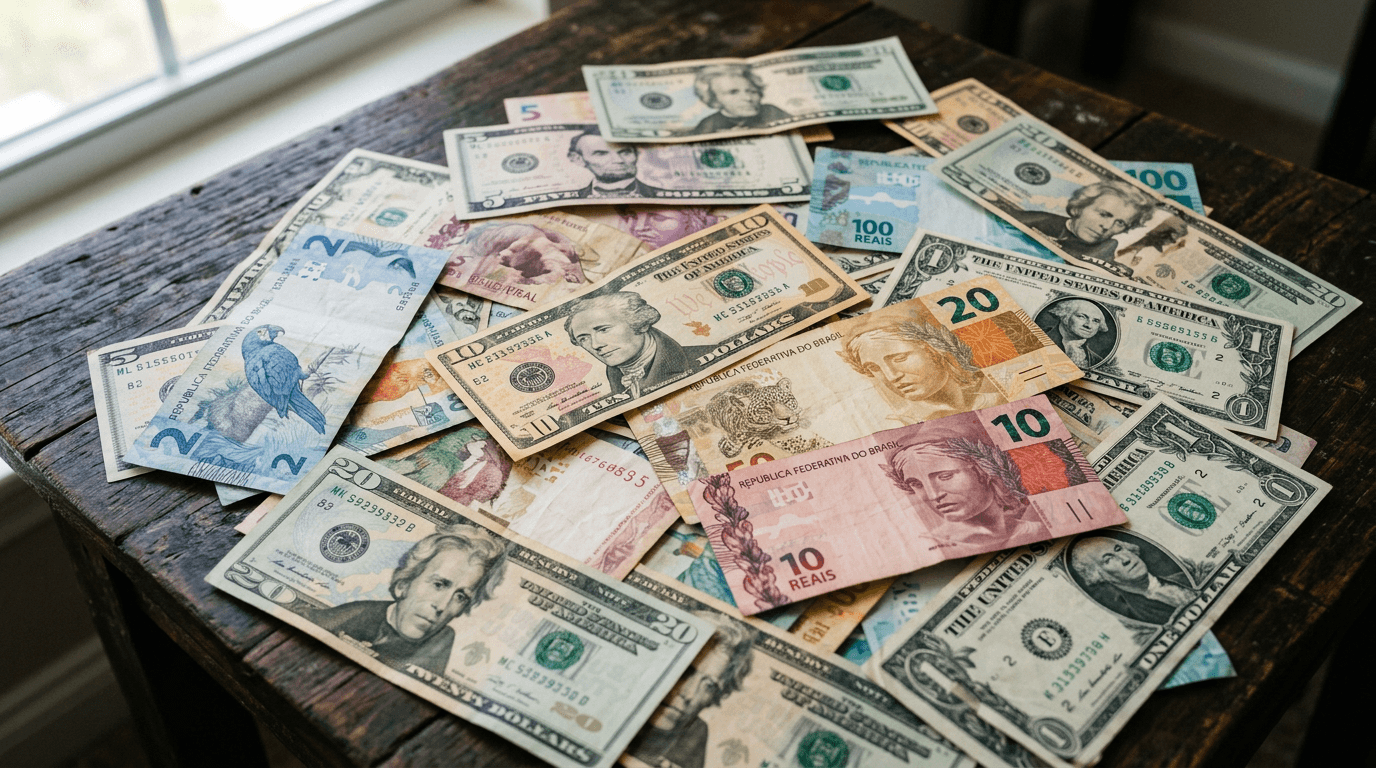
The Brazilian Real is trading with a significant electoral risk premium, holding the U.S. dollar-to-Real exchange rate (USD/BRL) near R$5.20 despite some of the highest interest rates in the world. The currency currently trades at R$5.1985 against the dollar, reflecting a domestic uncertainty that is overriding the Real's traditional strength as a high-yield asset. The core worry for foreign investors is not who will win Brazil’s critical October presidential election, but the risk that either political outcome—incumbent President Luiz Inácio Lula da Silva’s continued term or a conservative opposition victory—will lead to a loss of fiscal credibility in Latin America’s largest economy.
This sustained pressure on the Real is directly linked to market fears over what analysts term "fiscal populism" or a significant expansion of public spending that could further destabilize Brazil’s already high public debt, which stands at around 81.9% of Gross Domestic Product. For the intelligent foreign reader, this concern centers on Brazil’s commitment to responsible financial management. Investors are watching for any sign that the new government will undermine spending limits, such as the teto de gastos (spending cap) or the new fiscal framework, which are seen as crucial anchors for inflation and long-term borrowing costs. Major institutions have drawn parallels to the volatile 2014 election cycle, where market jitters over a change in fiscal policy triggered a sharp depreciation of the Real.
The market's defensive posture is clear: global fund managers have been actively reducing their exposure to the Real, pulling capital from Brazilian equity and debt portfolios in the run-up to the vote. This reluctance to hold the currency is why the Real is underperforming many of its emerging-market peers, despite the country's central bank maintaining an interest rate designed to combat inflation. When a currency does not appreciate even with a massive interest rate differential—which should draw capital seeking higher returns—it signals that political and fiscal risks are outweighing the economic incentives.
The fear of a market-negative election outcome, characterized by expansionary fiscal policy and growing debt, has led financial analysts to map out a clear downside risk for the currency. In such a scenario, the dollar could spike dramatically, erasing gains made earlier in the year. Analysis from institutions like Rabobank and BNP Paribas has warned that an adverse outcome could push the USD/BRL exchange rate toward R$5.55 or R$5.70, respectively, a range that suggests the currency market is pricing in a possibility of deep institutional anxiety following the ballot. The critical date to watch is the October election, which will determine if the country's next administration is committed to the difficult task of fiscal consolidation.
What it touches
The heightened volatility and electoral premium on the Real directly impacts the returns and hedging costs for foreign investors. Companies with unhedged Brazilian Real exposures, particularly those with significant local currency costs or revenues, will see immediate impacts on their balance sheets. Furthermore, a sustained depreciation in the Real raises the cost of importing foreign goods and raw materials, putting upward pressure on domestic inflation.
Latest articles
Markets · PRO
Global Speculators Make Record Bet on Soybean Prices to Rise, Defying Brazilian Supply Glut
Published
NASDAQ · PRO
Brazilian Court Battle Over Protected Lands Hits Sigma Lithium, Sending Stock Down 4%
Published
Markets · PRO
Lula Reassures Business Elite on Fiscal Stability Days After Calling Surplus 'Nonsense'
Published