
Why the shrinking Fed-Brazil rate gap matters to your portfolio
The interest rate gap between the Federal Reserve and Brazil's central bank has narrowed to 9.75 percentage points, shifting the math for global yield seekers.
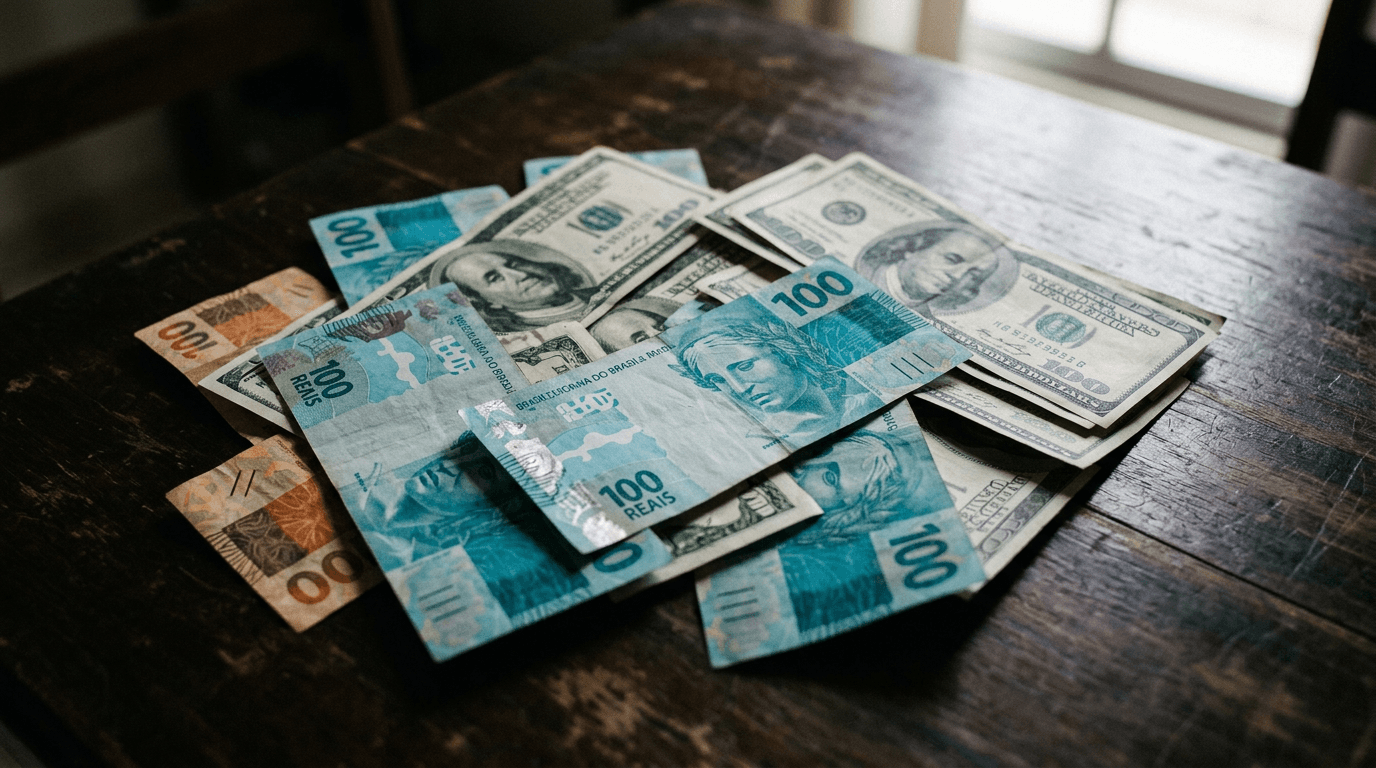
The yield on your cash at a U.S. brokerage is finally facing competition from a shifting global landscape. On September 16, 2026, the Federal Reserve raised the upper limit of its benchmark interest rate by a quarter-point to 4.0%, according to Federal Reserve data via FRED. This move, aimed at containing persistent inflation, means that safe, dollar-denominated cash is yielding its highest return in months, altering the baseline math for retail investors looking abroad.
At the exact same time, the equation changed on the other side of the equator. On September 16, 2026, Brazil's central bank—known as the Banco Central do Brasil—unanimously cut its benchmark Selic rate by a quarter-point to 13.75%, as recorded in the bank's SGS series 432 database. The simultaneous moves squeezed the interest rate gap between the two countries down to 9.75 percentage points, down from 10.0 percentage points just 30 days prior.
This yield premium is the fundamental engine behind the "carry trade," where global institutional investors borrow cheap dollars to buy high-yielding Brazilian government bonds. When the gap narrows, the incentive to hold Brazilian assets diminishes. This directly influences the brazil real vs dollar exchange rate, as a smaller yield cushion makes the volatile currency less attractive to hold against a strengthening greenback.
The Electoral Lens and Fiscal Risk
For global investors, the primary hesitation regarding Brazil is not the central bank's technical competence, but rather the political risk surrounding the upcoming electoral cycle. The central bank's monetary policy committee, Copom, has delivered five consecutive rate cuts to bring the Selic down from its 15.0% peak in mid-2025. However, policymakers have explicitly tied future cuts to the country's fiscal discipline.
The mechanism of risk is straightforward: if the government fails to meet its fiscal targets, inflation expectations will de-anchor, forcing the central bank to halt its easing cycle or even raise rates again. Conversely, if upcoming tax reforms or spending controls prove credible, the fiscal premium priced into Brazilian assets could dissolve, sparking a rally in local bonds and stabilizing the brazil real to usd exchange rate.
In your brokerage app
If you hold the iShares MSCI Brazil ETF, a prominent exchange-traded fund listed in New York that tracks large and mid-sized Brazilian equities, this narrowing rate gap directly impacts your holdings. A tighter yield spread can weaken the Brazilian real, which reduces the dollar-denominated returns of the fund even if local stock prices remain stable. Conversely, if the Brazilian central bank successfully engineers a soft landing, the underlying companies in the fund could benefit from lower domestic borrowing costs.