
Why the Shrinking Gap Between the Fed and Brazil Matters to Your Fund
As the Federal Reserve holds its upper rate target at 4.0% and Brazil trims its Selic target to 13.75%, a narrowing yield gap is reshaping the carry trade.
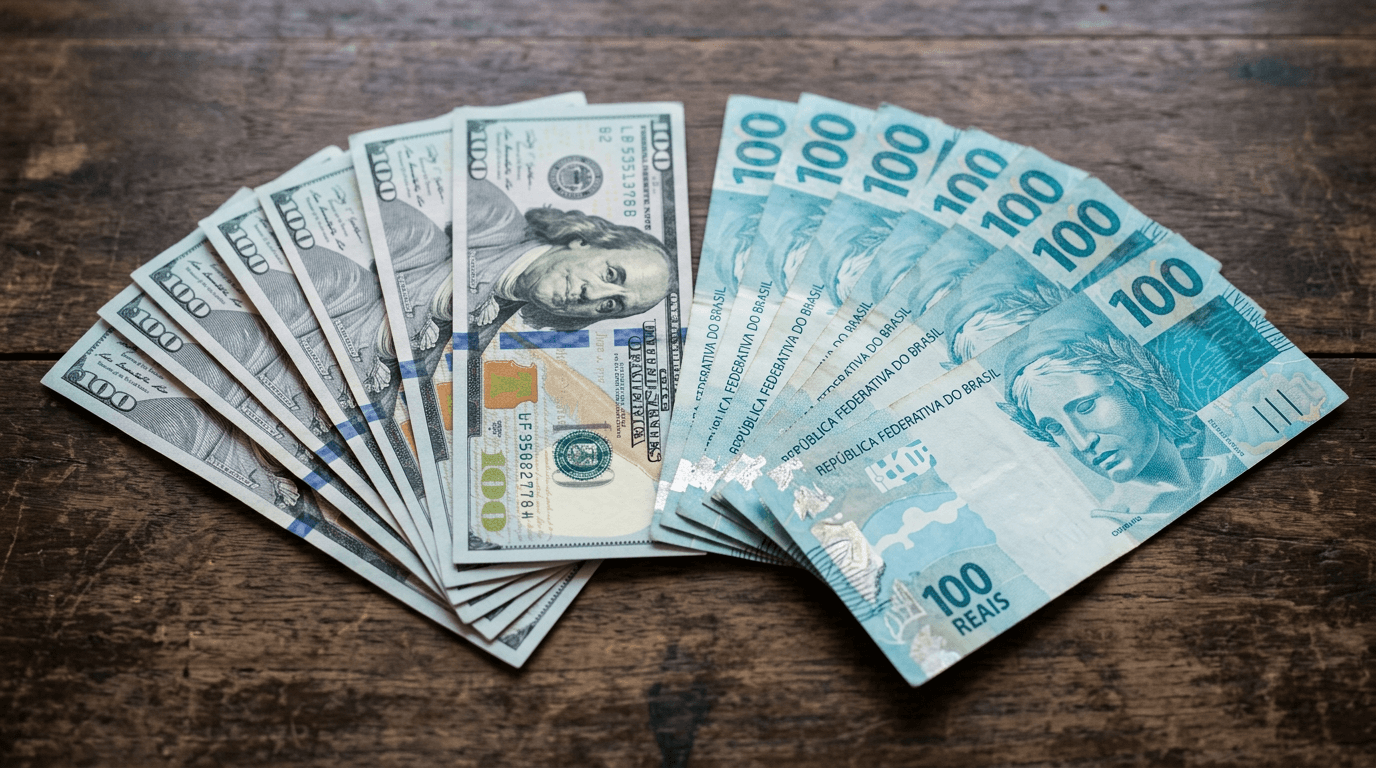
For American retail investors holding diversified international funds or looking for yield abroad, the most important number in global macroeconomics is not a single country’s interest rate, but the gap between them. When the Federal Reserve holds its benchmark rate high, it changes the math for every emerging market asset on the planet.
As of October 16, 2026, the Federal Reserve maintained the upper limit of its federal funds target range at 4.0%, according to St. Louis Fed FRED data. On the other side of the ledger, the Banco Central do Brasil—Brazil's central bank—held its benchmark Selic target rate at 13.75%, as recorded in the bank's SGS series 432 database. While a 13.75% payout sounds incredibly lucrative compared to domestic cash, the spread between the two central banks has narrowed to 9.75 percentage points, down from 10.0 percentage points just 30 days ago.
This shrinking premium is the invisible hand guiding the brazil real vs dollar exchange rate. In foreign exchange markets, institutional investors engage in the "carry trade"—borrowing in low-interest currencies like the dollar to buy high-yielding currencies like the Brazilian real. When the gap between the Fed and Brazil narrows, the incentive to hold Brazilian assets diminishes. This dynamic directly pressures the brazil real, which sat at 5.082 reais per U.S. dollar on October 16, 2026, altering the returns of dollar-denominated funds that hold Brazilian equities.
The Political Risk Lens
For global investors, the high nominal yield in Brazil is not a free lunch; it is a premium paid to compensate for political and fiscal risks. As Brazil edges closer to its next major electoral cycle, foreign capital is highly sensitive to the country's fiscal discipline. The central bank's monetary policy committee, known as Copom, has been cutting the Selic rate from its previous peak, but further easing is constrained by fears of government spending overruns.
If the Brazilian government demonstrates strict adherence to its fiscal framework, it could relieve the risk discount currently priced into Brazilian assets, stabilizing the currency even as the interest rate gap closes. Conversely, any sign of fiscal slippage would make a 9.75-point premium look insufficient, triggering capital flight back to the safety of U.S. Treasuries and dragging down the value of Brazilian equities in dollar terms.
In your brokerage app
If you own the iShares MSCI Brazil ETF, a prominent exchange-traded fund listed in New York that tracks large and mid-sized Brazilian companies, your portfolio is directly exposed to this interest rate gap. Because the fund holds assets denominated in Brazilian reais but trades in U.S. dollars, a narrowing rate spread that weakens the real will erode the fund's net asset value, even if the local share prices of companies like Vale or Petrobras remain unchanged.