
Why a 9.75% interest rate gap is moving the Brazil real
The yield spread between the Fed and Brazil's central bank has narrowed to 9.75 percentage points, altering the math for global currency and bond investors.
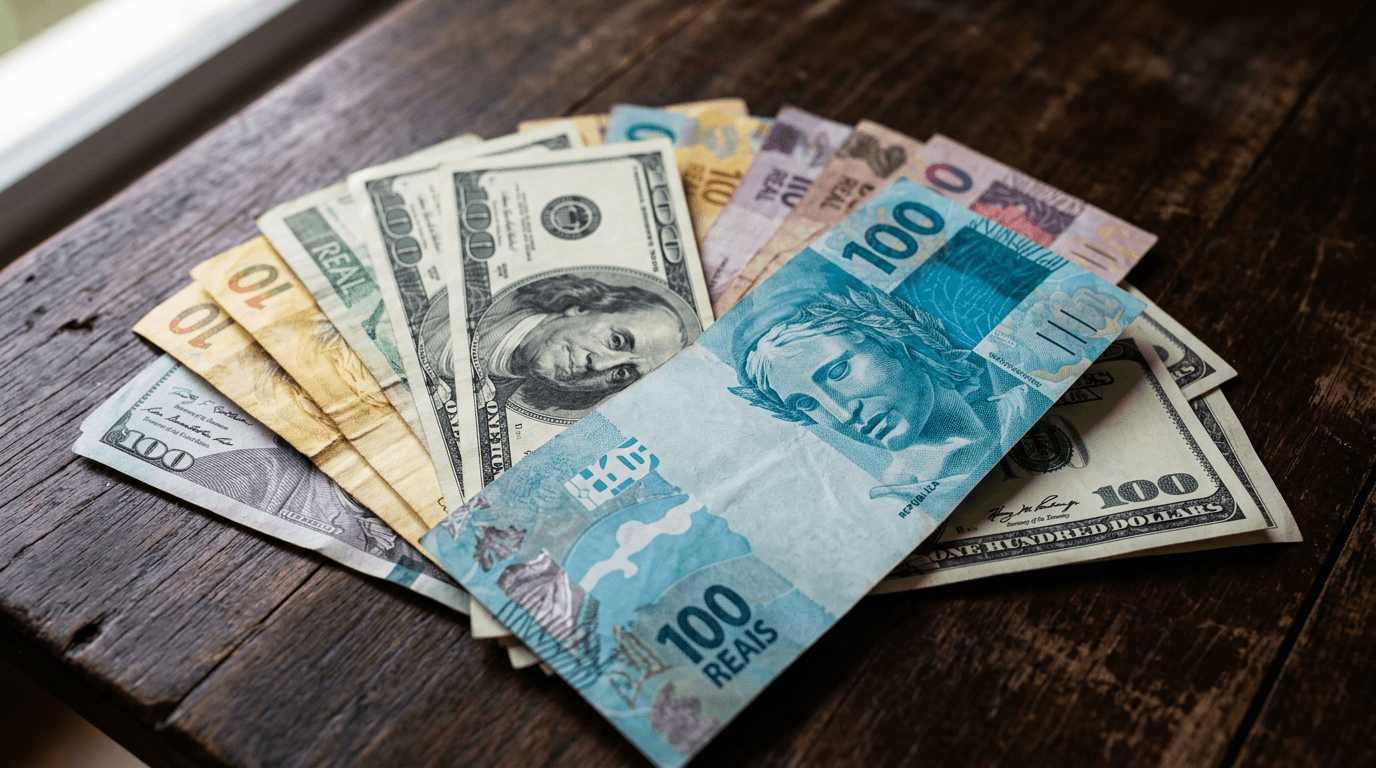
For a retail investor holding U.S. Dollars, the yield on a standard cash sweep or a Treasury bill sits comfortably near the Federal Reserve's upper target of 4.0%. It is a reliable, risk-free baseline. Yet, across the hemisphere, a massive interest rate differential is quietly reshaping the global carry trade and moving the value of foreign assets that many Americans already hold in their portfolios.
The Central Bank of Brazil maintains its benchmark Selic target rate at 13.75%, according to official time series data from the institution's Sistema Gerenciador de Séries Temporais (SGS) series 432. With the Federal Open Market Committee's upper target rate at 4.0%, according to St. Louis Fed (FRED) series DFEDTARU, the nominal gap between the two rates stands at 9.75 percentage points. Just 30 days ago, before the Brazilian monetary policy committee (Copom) delivered a quarter-point cut on September 16, 2026, that gap was a wider 10.0 percentage points.
This spread is the engine behind the brazil real vs usd exchange rate. In foreign exchange markets, institutional investors borrow in low-yielding currencies like the dollar to buy debt in high-yielding currencies like the Brazilian real, pocketing the difference. When the gap narrows, even slightly, the incentive to hold Brazilian risk decreases. This mechanism directly influences the brazil real to usd exchange rate, which currently trades at 5.0518 reais per dollar.
The Electoral Lens and Political Risk
For global investors, the primary hesitation regarding Brazil is political risk. Under President Luiz Inácio Lula da Silva, the market closely monitors fiscal spending and the transition of power at the central bank. Gabriel Galípolo, who led the central bank's board during the September rate-setting meeting, has had to navigate persistent inflation pressures. Brazil's consumer price inflation (IPCA) registered at 4.58% over 12 months, leaving the country with a real interest rate of approximately 8.77%—among the highest in the world.
The central bank's next Copom meeting is scheduled to begin on November 3, 2026. Financial institutions surveyed in the central bank's weekly Focus readout expect another 25-basis-point cut, which would lower the Selic target to 13.50%. If realized, this decision will shrink the yield gap with the Fed to 9.50 percentage points, potentially easing some of the upward pressure on the brazil real while testing the limits of local bond yields.
In your brokerage app
If you hold the iShares MSCI Brazil ETF, listed in New York, your investment is directly exposed to both the Brazilian stock market and the currency translation of the real. A narrowing interest rate gap typically weakens the real against the dollar, which can drag down the value of U.S. dollar-denominated Brazil funds even if local stock prices remain steady. Conversely, if the Federal Reserve cuts rates faster than Copom, the widening gap could strengthen the real and boost the fund's net asset value.