
The Two Halves of the Real: Why Brazil's Carry Trade is Fading
Foreign investors are reconsidering Brazil's high-yielding currency as consecutive interest rate cuts by the Central Bank erode the lucrative carry trade.
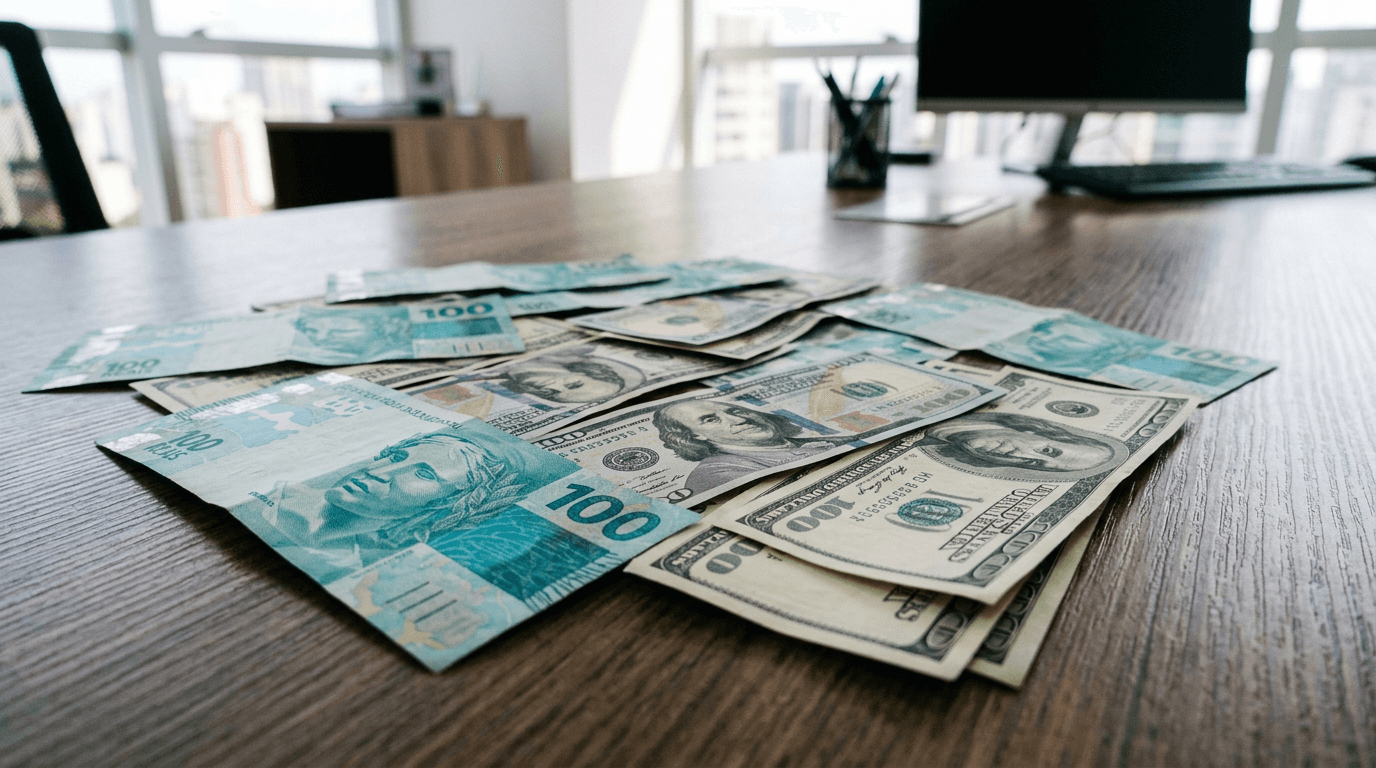
Foreign investors who flocked to Brazil’s high-yielding currency to capture some of the best returns in the emerging markets are facing a rapidly shifting landscape. The lucrative "carry trade"—a financial strategy where investors borrow money in low-interest currencies like the US dollar to invest in high-yielding assets elsewhere—is losing its momentum in Latin America’s largest economy.
The shift marks a stark contrast to the first half of the year. The Brazilian Real experienced a strong appreciation in early 2026, peaking in May at R$4.89 to the US dollar as global funds chased the country's double-digit yields. However, since that May peak, the Real has given back some of those gains. The primary catalyst is the Central Bank of Brazil (BCB), which has executed consecutive interest rate cuts, lowering the benchmark Selic rate to 14.00% in August 2026 from its previous peak of 15.00%.
For everyday Brazilians and local businesses, the appreciation of the Real earlier in the year helped curb the cost of imported goods and kept a lid on inflation. But as the Central Bank’s Monetary Policy Committee (Copom) continues its gradual easing cycle to support domestic growth, the narrowing interest rate differential between Brazil and developed economies is quietly reducing the currency's appeal to international speculative capital.
Despite the recent cuts, Brazil's real interest rates—adjusted for inflation—remain among the highest in emerging markets. This yield cushion prevents a massive, sudden flight of capital, but the reduced premium means the Real is no longer the undisputed favorite for global macro funds. The central bank has signaled a highly cautious approach going forward, citing persistent global uncertainties, particularly around geopolitical tensions and monetary policy paths in advanced economies.
Whether the Real stabilizes or continues to soften depends heavily on the next moves by Central Bank policymakers. While the easing cycle has reduced the currency's immediate momentum, any pause in future rate cuts to combat domestic inflation could temporarily restore some of the carry trade's lost luster.
What it touches
The shifting yield dynamic directly impacts the exchange rate of the US Dollar to the Brazilian Real (USDBRL). A weaker carry trade typically reduces foreign capital inflows into Brazilian fixed-income assets, which can put upward pressure on the USDBRL exchange rate. Consequently, US-listed exchange-traded funds tracking Brazilian equities, such as the iShares MSCI Brazil ETF (EWZ), as well as major American Depositary Receipts (ADRs) like financial giant Itaú Unibanco (ITUB) and digital banking heavyweight Nu Holdings (NU), remain highly sensitive to these currency fluctuations.