
Political Risk Peaks as Brazil’s October 4 Election Threatens Profitable Real Carry Trade
International investors are scaling back exposure to the Brazilian Real, unwinding a major carry trade ahead of the October 4 presidential election due to long-term fiscal uncertainty.
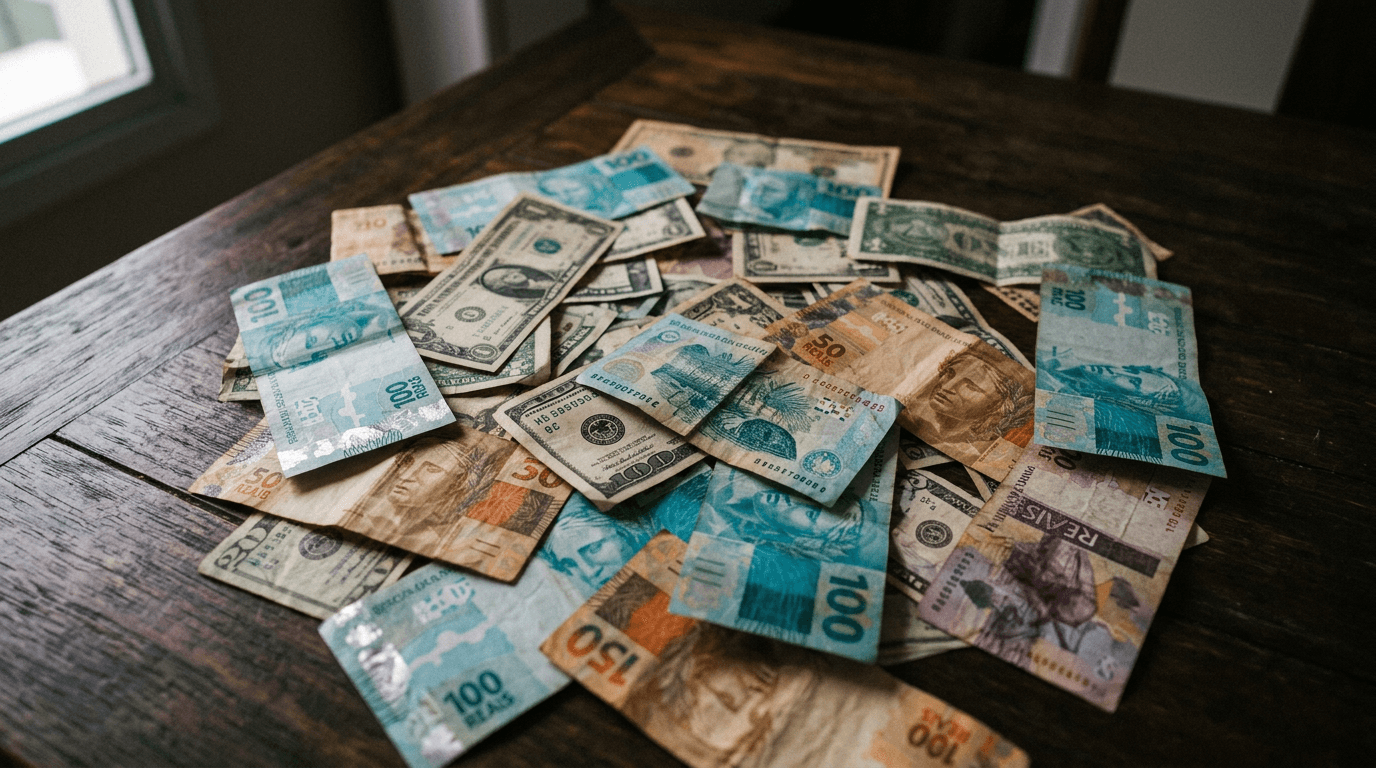
Global investors are reducing their exposure to the Brazilian Real (BRL) and the nation's local bonds, unwinding one of the year’s most profitable emerging-market carry trades as the October 4 presidential election brings political risk to the fore. The move sees institutional money managers, including hedge funds, step back from Brazilian assets out of concern that the next government may fail to stabilize the country’s precarious public finances.
The Brazilian Real had been a darling of emerging markets, gaining roughly 6% against the U.S. dollar this year, primarily due to the country’s high interest rate differential. This high rate, set by the Central Bank of Brazil (Banco Central do Brasil, or BCB) to fight inflation, enables the popular "carry trade," where investors borrow money in countries with low interest rates and invest it in high-yielding Brazilian assets. The Central Bank's benchmark Selic rate, which keeps interest payments high on Brazil's gross public debt of over 80% of GDP, has served as a temporary anchor for the currency.
However, the political uncertainty surrounding the vote is challenging that appeal. The election pits incumbent President Luiz Inácio Lula da Silva against his main challenger, Senator Flávio Bolsonaro, the son of former President Jair Bolsonaro. Analysts note that the primary concern for markets is not who wins the tight race, but whether the next administration can commit to a long-term, credible fiscal trajectory.
Brazil faces a substantial public deficit, and market observers estimate that either candidate will struggle to enact the kind of politically costly measures—such as major spending cuts or tax hikes—needed to secure a sustainable budget without triggering financial panic. This vulnerability has been on clear display in recent weeks, where a sudden shift in polling, indicating a closer race between the two main contenders, prompted an immediate decline in the Real and forced investors to pay higher premiums for protection against currency losses. Such volatility mirrors the rapid erosion of high-rate appeal seen in prior election cycles whenever political risk outweighed monetary returns.
With the first-round vote scheduled for October 4 and a likely runoff on October 25, the market’s focus is fixed on the composition of the new Congress and the signals sent by the winning candidate in the days that follow. The next critical point for the currency will be the market's initial assessment of the winning president's economic team and their ability to secure the necessary legislative support for any significant fiscal reform.
What it touches
The unwinding of the carry trade directly impacts the Brazilian Real (BRL), which trades on global foreign exchange markets, and Brazilian government debt, especially local-currency bonds. The increased political risk and fiscal doubts are manifesting in higher yields for these local bonds, as investors demand more compensation to hold them through the election period.