
Why a Shrinking 9.75-Point Yield Gap Is Shaking Up Brazil Funds
A narrowing interest rate gap between the Federal Reserve and Brazil's central bank is altering the math for global carry traders and US retail investors.
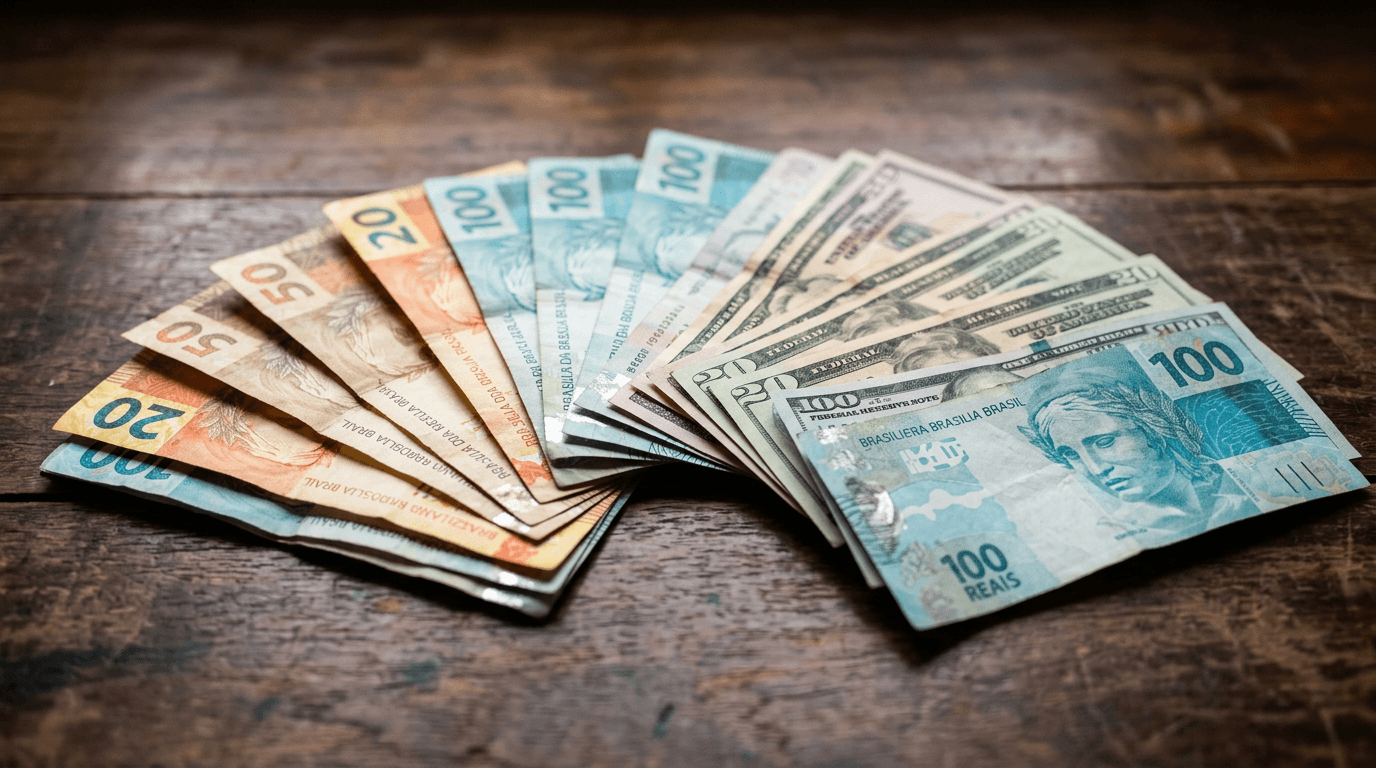
For American retail investors keeping their cash in high-yield money market funds or short-term U.S. Treasuries, a 4.0% yield feels like a comfortable, low-risk baseline. That baseline is set directly by the Federal Reserve, which maintained the upper limit of its federal funds target rate at 4.0% as of October 14, 2026, according to Federal Reserve Economic Data (FRED). But for those venturing into international markets, this domestic benchmark is only half of a global equation that dictates the direction of foreign funds and the strength of international currencies.
Just across the equator, Brazil’s central bank, the Banco Central do Brasil, is paying a massive 13.75% benchmark rate, known locally as the Selic target. According to the central bank's SGS series 432 database, this rate has held steady through mid-October 2026 following a series of cuts from its mid-2025 peak. The resulting gap between the two central banks stands at exactly 9.75 percentage points—a formidable premium, but one that has narrowed from 10.0 percentage points just 30 days ago.
This yield gap is the lifeblood of the "carry trade," a strategy where institutional investors borrow dollars at low U.S. rates to buy high-yielding Brazilian government bonds. When the gap is wide, money pours into Brazil, strengthening the Brazilian real against the dollar. When the gap shrinks, even by a quarter of a percentage point, the incentive to hold Brazilian assets diminishes. This shift directly impacts the exchange rate, making the brazil real vs dollar equation highly sensitive to any policy divergence between Washington and Brasília.
The narrowing of this yield gap comes at a highly sensitive political moment for Brazil. The country is currently navigating a tense electoral cycle, with the market-friendly Liberal Party, led by Flávio Bolsonaro, gaining significant momentum against the leftist administration of President Luiz Inácio Lula da Silva. For foreign investors, political risk in Brazil is tied to very specific institutional mechanisms: the next president will hold the power to appoint key members to the central bank's monetary policy committee (Copom) and influence fiscal spending rules. A shift toward a more conservative, market-aligned government could relieve the "fiscal risk premium" that currently forces Brazil to keep its interest rates so high, potentially opening up the local stock and bond markets to a sustained rally.
In your brokerage app
If you hold international equities in your portfolio, this interest rate dynamic directly influences the iShares MSCI Brazil ETF, an exchange-traded fund listed in New York that tracks the largest companies in Brazil. Because the fund is denominated in U.S. dollars but holds assets priced in Brazilian reals, any fluctuation in the brazil real to usd exchange rate—driven by the shifting 9.75-point yield gap—will directly alter the fund's net asset value, independent of how the underlying companies perform on the local stock exchange.