
Brazil Real Under Pressure as Tight Presidential Race Nears
The Brazilian real faces heavy pressure near 5.23 per US dollar as a dead-heat presidential race between Lula and Flávio Bolsonaro fuels investor anxiety.
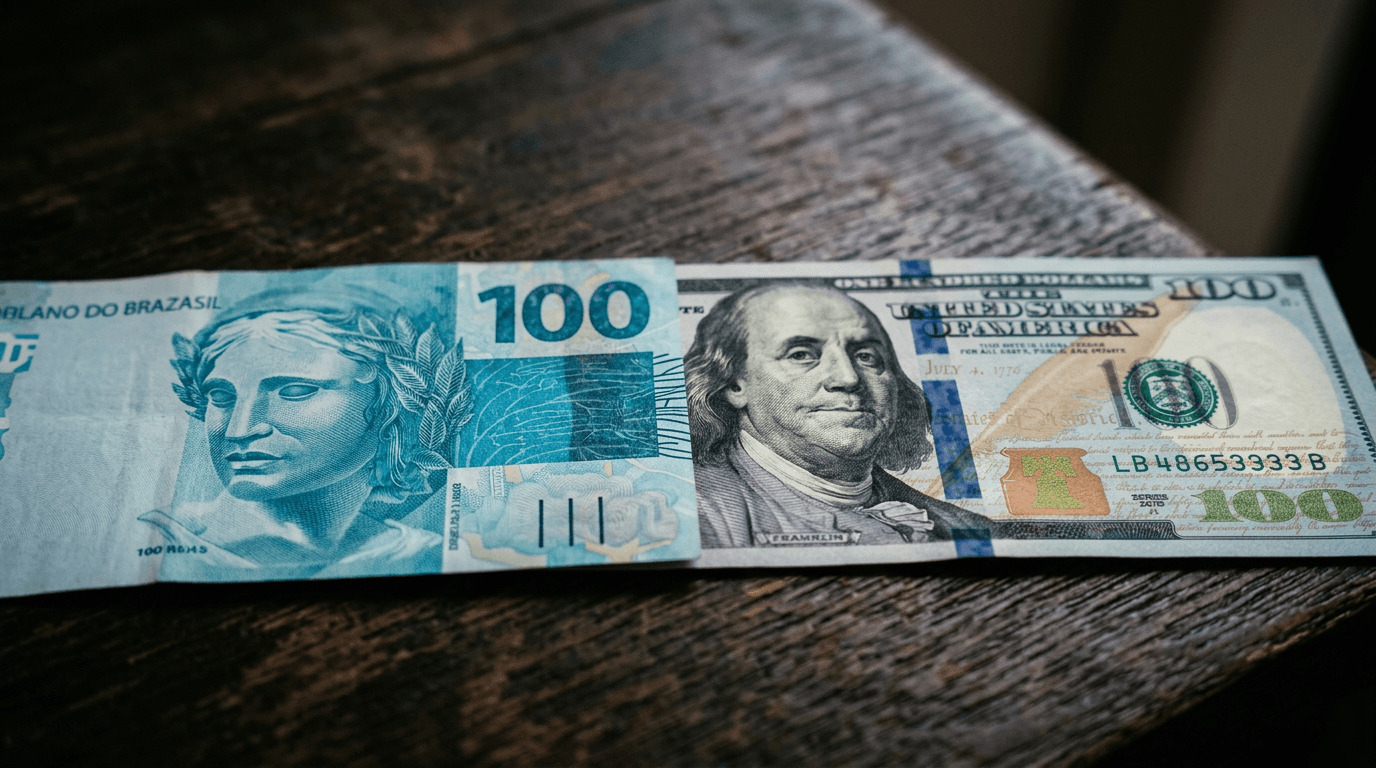
The Brazilian real is facing mounting pressure in early October 2026, hovering near 5.23 per US dollar. A highly competitive presidential election, combined with a sharp contraction in domestic manufacturing and a broader selloff in emerging markets, has heightened the political risk premium for foreign investors in Latin America's largest economy.
The primary driver of the currency's volatility is the exceptionally tight race for the presidency. Recent polls ahead of the first-round vote scheduled for October 4 show a deeply polarized electorate. While incumbent left-wing President Luiz Inácio Lula da Silva maintains a narrow lead in first-round voting intentions, simulated run-off scenarios show him in a statistical dead heat with conservative Senator Flávio Bolsonaro. According to a Datafolha poll, Lula holds 47% to Bolsonaro's 45% in a potential second-round matchup, which falls well within the survey's two-percentage-point margin of error.
Senator Flávio Bolsonaro, the eldest son of former President Jair Bolsonaro, has consolidated the country's conservative base. This tight political division has left international observers and markets highly sensitive to the outcome, as both candidates represent starkly different paths for Brazil’s fiscal policy and state participation in the economy.
Compounding the political uncertainty are deteriorating domestic economic indicators. On October 1, S&P Global reported that the Brazil Manufacturing Purchasing Managers' Index (PMI) fell to 44.8 in September from 46.3 in August. This marked the sharpest contraction in the manufacturing sector since April 2023. Factory managers surveyed explicitly cited demand weakness, rising input costs, and political uncertainty surrounding the election as key reasons for cutting production and running down inventories.
With the first-round vote occurring this weekend, a run-off election on October 25 is highly likely. Until a clear winner emerges, the combination of fiscal concerns, weak industrial output, and intense political polarization is expected to keep the Brazilian currency highly volatile.
What it touches
The ongoing volatility directly impacts the USD/BRL exchange rate, raising the cost of imports and hedging for multinational corporations operating in Brazil. US-listed exchange-traded funds tracking Brazilian equities, such as the iShares MSCI Brazil ETF (EWZ), as well as major American Depositary Receipts (ADRs) including state-run oil firm Petrobras (PBR) and mining giant Vale (VALE), remain highly exposed to changes in the country's political risk premium and shifting fiscal expectations.