
Fed rate gap narrows as Brazil cuts benchmark Selic to 13.75%
A shrinking yield gap between the Fed and Brazil's central bank alters the math for global carry trade investors holding the Brazilian real.
American savers keeping cash in high-yield money market funds or short-term Treasuries have grown accustomed to a steady 4.0% return. According to Federal Reserve Bank of St. Louis data, the upper limit of the U.S. federal funds rate stands at 4.0% as of October 15, 2026. This domestic rate serves as the baseline for global capital, dictating how much premium foreign markets must offer to attract retail and institutional dollars.
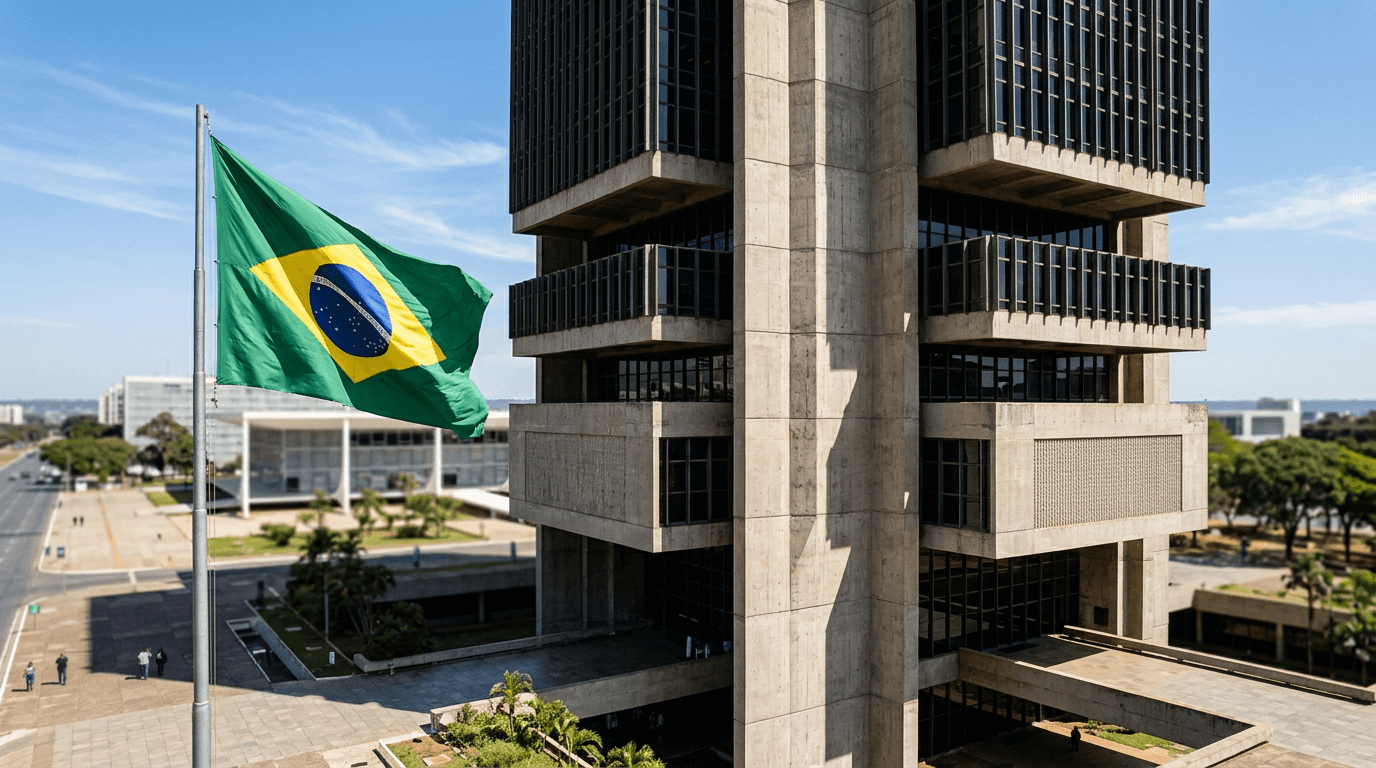
Across the equator, Brazil’s central bank is offering more than three times that yield, though the gap is beginning to close. In its latest policy decision, the Banco Central do Brasil lowered its benchmark interest rate, known as the Selic, to 13.75%, according to the central bank's official SGS 432 series on October 15, 2026.
This brings the yield gap between U.S. and Brazilian benchmark rates to 9.75 percentage points. Just 30 days ago, that spread stood wider at 10.0 percentage points, before the Brazilian monetary policy committee, known as Copom, enacted a 0.25-percentage-point cut from its previous 14.0% holding pattern. For global investors, this spread is the fundamental engine behind the "carry trade"—the practice of borrowing in low-interest currencies to invest in higher-yielding ones.
The mechanism behind the real
When the interest rate gap narrows, the incentive to hold Brazilian debt over ultra-safe U.S. Treasuries diminishes. This dynamic directly impacts the brazil real vs dollar exchange rate. A smaller yield premium can trigger capital outflows from emerging market bonds back to safe-haven dollar assets, putting downward pressure on the local currency.
The central bank's decision to trim rates reflects a delicate balancing act. While local policymakers point to a gradual moderation in domestic economic activity, they remain cautious. According to the central bank's weekly Focus survey of private economists, inflation expectations for the full year of 2026 hover around 4.9%, which is still above the official target but low enough to allow for incremental monetary easing.
For retail investors who do not trade foreign bonds directly, this interest rate tug-of-war quietly shapes the performance of broad Latin American equity funds. A weaker real reduces the dollar-denominated value of Brazilian corporate earnings, even if those companies perform well in local currency terms.
In your brokerage app
For investors looking to track or trade this interest rate spread through a standard U.S. brokerage account, the most direct vehicle is the iShares MSCI Brazil ETF. This exchange-traded fund, listed in New York, holds a basket of major Brazilian equities and is highly sensitive to fluctuations in the brazil real to usd exchange rate and local interest rate decisions.