
Why the Fed’s rate path makes Brazil’s 13.75% yield hard to ignore
As the Fed keeps its rate ceiling at 4.0%, Brazil’s central bank holds its benchmark Selic at 13.75%, leaving a massive 9.75-point yield gap for global investors.
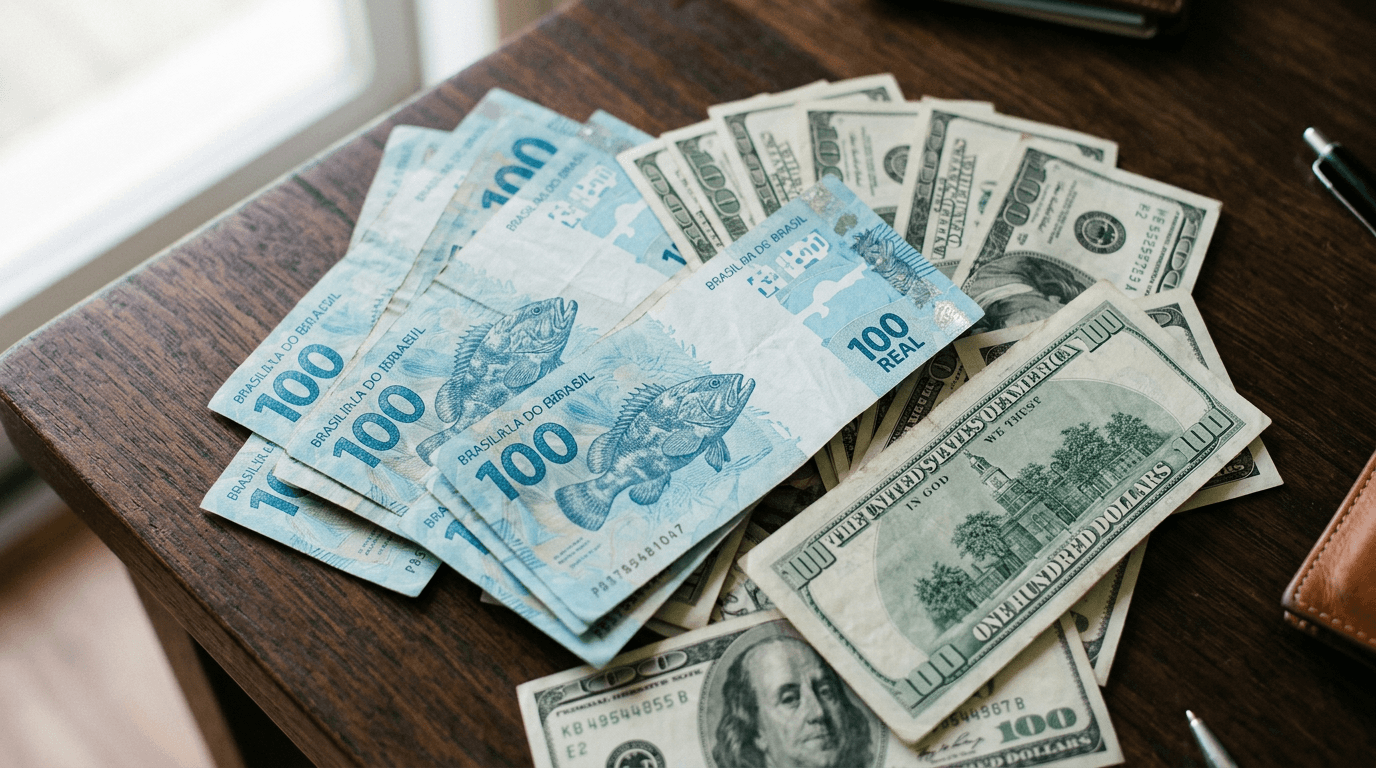
American retail investors keeping their cash in high-yield money market funds or short-term U.S. Treasuries are currently accustomed to earning a reliable yield. However, with the Federal Reserve holding the upper limit of its benchmark federal funds rate at 4.0% as of October 13, 2026, according to the Federal Reserve Bank of St. Louis (FRED), those domestic yields are no longer climbing. For investors willing to look beyond U.S. borders, this steadying of American rates has cast a bright spotlight on a massive interest rate gap in South America.
In Brazil, the central bank’s benchmark interest rate—known as the Selic—stands at a towering 13.75%, according to the Central Bank of Brazil’s SGS database (Series 432). This leaves a yield gap of exactly 9.75 percentage points between the two nations. While this spread is slightly narrower than the 10.0-percentage-point gap recorded 30 days ago, it remains one of the largest interest rate differentials in the world, offering a powerful incentive for institutional currency traders and curious retail investors alike.
This rate gap is the fundamental engine behind the "carry trade," a strategy where investors borrow in low-yielding currencies like the dollar to buy assets denominated in high-yielding currencies like the Brazilian real. When the gap is this wide, it acts as a cushion for the brazil real vs dollar exchange rate. Even if the real fluctuates, the double-digit interest paid on Brazilian bonds can offset moderate currency depreciation, making the brazil real to usd pair a favorite for international yield-seekers.
However, this high yield is not a free lunch; it reflects significant political and economic risks. The Central Bank of Brazil, led by its monetary policy committee (Copom), has kept rates high to combat persistent inflation and fiscal spending concerns under President Luiz Inácio Lula da Silva. For foreign investors, the primary risk is that sudden political shifts or fiscal instability could trigger a rapid depreciation of the brazil real, wiping out the interest rate gains when converting returns back into U.S. dollars.
For retail investors, accessing these yields directly through local Brazilian government bonds is operationally difficult. Instead, the shifting rate gap typically influences the performance of broad exchange-traded funds that track Brazilian equities and fixed income. When the rate differential remains wide and the currency stabilizes, these funds often experience inflows as Wall Street managers chase the high carry.
In your brokerage app
For investors looking to gain exposure to this yield differential without opening a foreign bank account, the iShares MSCI Brazil ETF is listed in New York and holds a basket of large Brazilian companies. While this fund tracks equities rather than direct government debt, its performance is heavily influenced by the strength of the Brazilian real and the underlying monetary policy set in Brasília.