
Why the Fed's 4.0% rate and Brazil's 13.75% Selic matter to your fund
The 9.75-point interest rate gap between the US and Brazil is driving global carry trades and moving the price of major emerging-market ETFs.
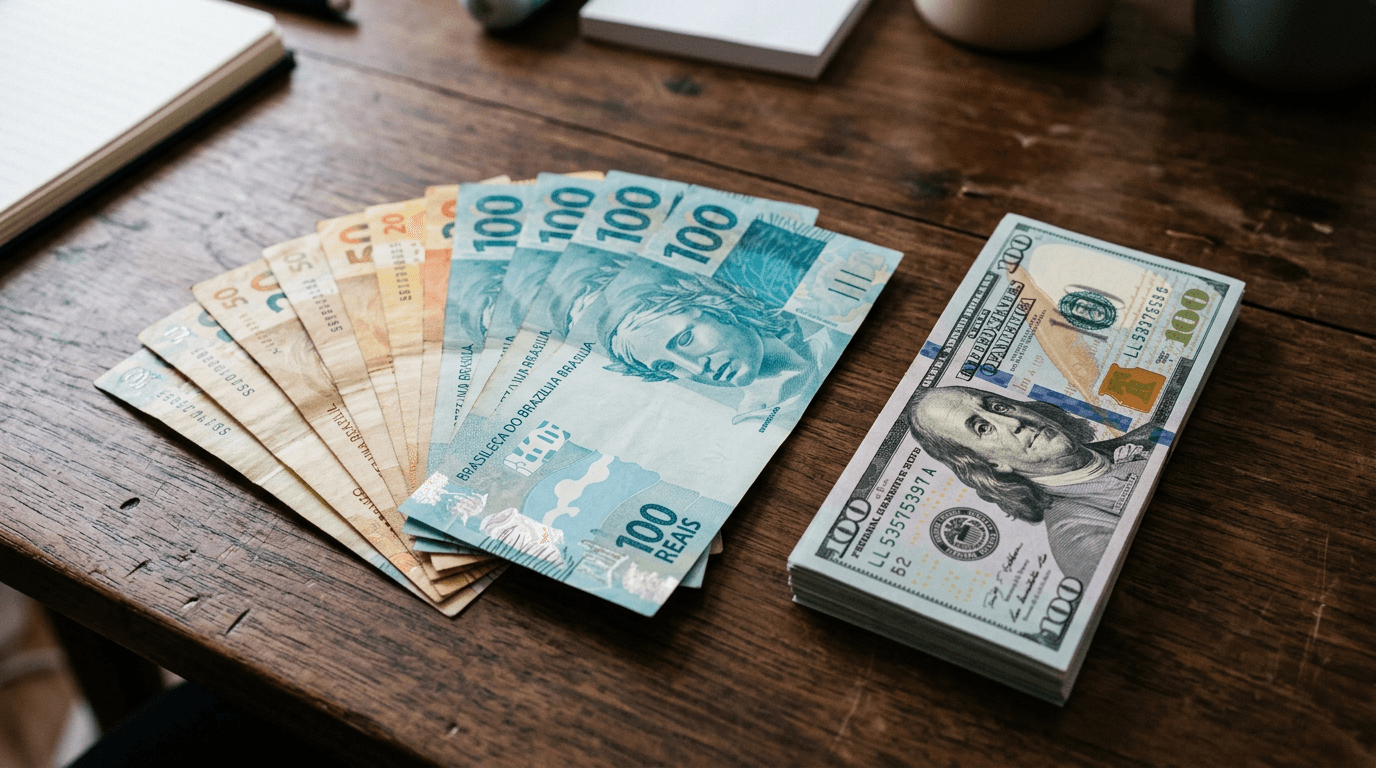
If you hold a standard US cash account or short-term Treasury bill, your money is likely earning around 4.0%. That is the upper limit of the Federal Reserve's benchmark interest rate as of October 14, 2026, according to official Federal Reserve Economic Data. For most American retail investors, this 4.0% rate is the baseline against which every other investment must be measured.
But across the equator, Brazil’s central bank is paying more than three times that amount. On October 14, 2026, the Banco Central do Brasil maintained its benchmark Selic target rate at 13.75%, according to the bank's SGS time-series database (series 432). The resulting 9.75-percentage-point gap between the two countries is the engine behind one of Wall Street's favorite currency maneuvers: the carry trade.
In a classic carry trade, institutional investors borrow money in a low-interest currency, like the US dollar, and invest it in high-yielding assets denominated in another currency, like the brazil real. Just 30 days ago, this rate gap stood at an even wider 10.0 percentage points before the Brazilian central bank, known locally as the BCB, trimmed its rate. While a 9.75-point spread still offers massive yield, the narrowing of this gap directly influences the brazil real vs dollar exchange rate, which recently hovered around 5.04 reais per dollar.
The Electoral Wildcard
For global investors, harvesting this yield is never entirely risk-free. The primary mechanism that can quickly erase these interest gains is political risk, which is currently taking center stage in Brazil's presidential election cycle. Following the first-round vote on October 4, 2026, conservative challenger Flávio Bolsonaro took a surprise lead with 47.03% of the vote against incumbent leftist President Luiz Inácio Lula da Silva's 45.16%.
This political shift has triggered a sharp repricing of Brazilian assets. The Superior Electoral Court has scheduled the decisive runoff for October 25, 2026. A victory for the challenger is viewed by many asset managers as a path toward tighter fiscal spending, which could lower Brazil's country risk premium and allow the central bank to continue cutting the Selic rate from its current double-digit highs. Conversely, a Lula victory could keep spending elevated, forcing the central bank to keep rates high to combat inflation.
For US retail investors who do not trade foreign currencies directly, these shifting interest rate differentials and political developments still hit home. They dictate the capital flows that move major emerging-market funds, turning a distant central bank decision in Brasília into a direct driver of daily portfolio volatility in New York.
In your brokerage app
If you hold the iShares MSCI Brazil ETF, listed in New York, your portfolio is directly exposed to these rate decisions and the resulting swings in the brazil real to usd exchange rate. Because this fund holds large Brazilian financial institutions and commodity exporters in local currency, its US dollar share price rises and falls based on both the performance of the Brazilian stock market and the strength of the real against the dollar.