
Brazilian Real Braces for Post-Election Fiscal Crossroads
Brazil's tight presidential race between Lula and Flávio Bolsonaro has put the country's currency and public debt under intense focus.
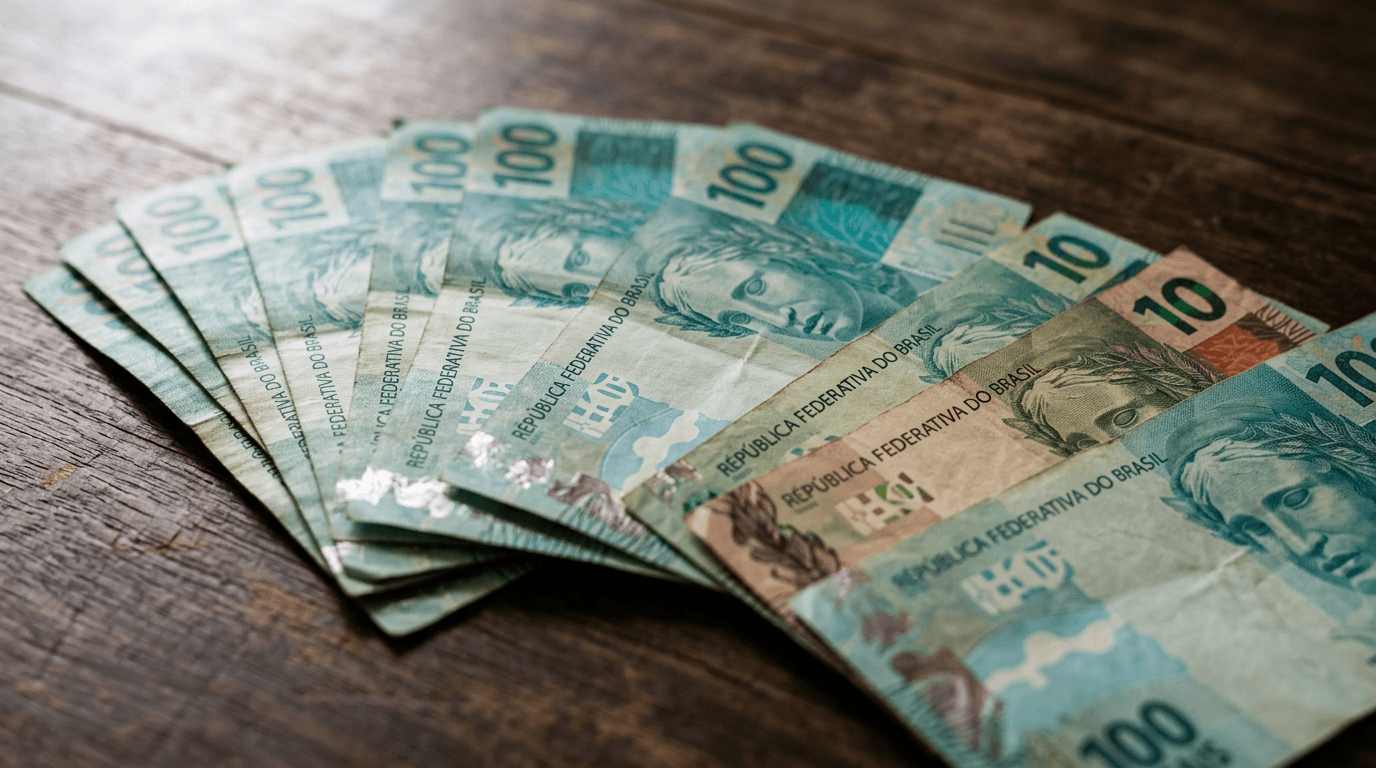
Brazilians head to the polls on Sunday, October 4, 2026, for a highly polarized presidential election that has placed the country's currency and public finances at a critical juncture. The tight race pits incumbent leftist President Luiz Inácio Lula da Silva, seeking a historic fourth non-consecutive term, against conservative Senator Flávio Bolsonaro, the eldest son and political heir of former President Jair Bolsonaro. With polls showing the two frontrunners in a statistical tie, the election is widely expected to trigger a decisive runoff vote on October 25.
For ordinary citizens and international observers alike, the immediate consequence of this political battleground is the stability of the local currency, the real. The next administration will inherit a deeply strained national budget. According to data released by the Central Bank of Brazil on September 30, 2026, the country's gross government debt rose to 82.9% of gross domestic product (GDP) in August, its highest level since 2021. Furthermore, the broader nominal budget deficit, which includes heavy interest payments driven by elevated domestic interest rates, remains above 9% of GDP.
Two Paths for the Real
Wall Street analysts warn that the post-election path for the currency hinges entirely on the next president's commitment to fiscal discipline. In a research note, investment bank Goldman Sachs noted that a credible, market-friendly fiscal regime could spark a major rally, leading to a significant strengthening of the Brazilian real. Conversely, if the incoming government pursues aggressive public spending that revives the severe fiscal premiums seen in late 2024, the real could face a sharp double-digit depreciation.
The two candidates offer starkly different economic visions to address these imbalances. Lula has historically prioritized social welfare programs and public investment to stimulate the economy, though his administration faces intense pressure to rein in spending to meet fiscal targets. Flávio Bolsonaro, running on a platform of "Bolsonarismo," advocates for deregulation, privatization, and administrative reforms to curb the size of the state, though his supporters also favor reversing the judicial penalties faced by his family and allies.
With inflation hovering above 4% and economic growth projected to slow, the next president will have little room for error. The central bank's benchmark interest rate remains elevated to combat inflationary pressures, which in turn drives up the cost of servicing the country's massive R$11.1 trillion public debt. Whether the election delivers a mandate for fiscal consolidation or triggers a new wave of populist spending will ultimately decide the trajectory of Latin America's largest economy.
What it touches
The outcome of the election directly impacts the USD/BRL exchange rate, which influences the pricing of U.S.-listed exchange-traded funds tracking Brazilian equities, such as the iShares MSCI Brazil ETF (EWZ). Large Brazilian multinational corporations with heavy dollar-denominated debt or export revenues—including state-controlled oil giant Petrobras (PBR) and mining major Vale (VALE)—are highly sensitive to these currency fluctuations and the sovereign risk premium associated with the country's rising debt-to-GDP ratio.