
Your emerging market fund is feeling the ripple of Brazil's high-stakes currency defense
A sudden rally in the Brazilian real has triggered a performance bump in broad emerging market funds, though the country's small index weight limits the overall impact on your portfolio.
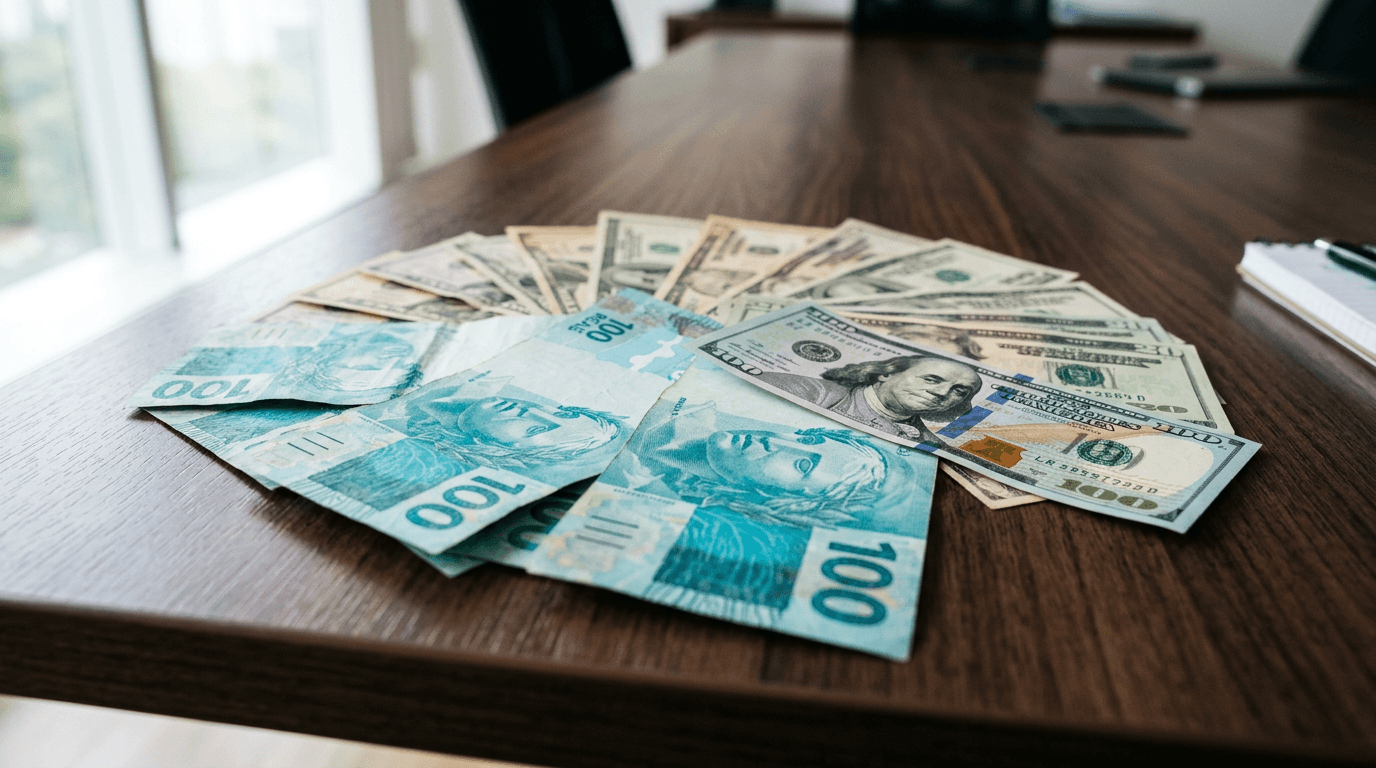
If you own a broad international index fund in your retirement or brokerage account, your portfolio just got a minor boost from a corner of the world you might not even be tracking. A sudden political shift in Latin America's largest economy has sent its currency surging, creating a ripple effect across global diversified portfolios.
The catalyst is Brazil, where the local currency, the real, staged a powerful recovery to trade near 5.00 per US dollar in early October 2026, bouncing back from its deep yearly lows. The rally was triggered by the country's high-stakes presidential election. In the first-round vote on October 4, 2026, conservative challenger Senator Flávio Bolsonaro unexpectedly finished ahead of the incumbent President Luiz Inácio Lula da Silva, taking 47% of the vote to Lula's 45%. Investors, who favor Bolsonaro’s promises of fiscal discipline and spending cuts over Lula's state-led economic model, rushed back into Brazilian assets, driving a 12.5% single-day surge in the country's dedicated equities on October 5, 2026.
Yet, for the average American retail investor holding a diversified emerging markets product, this double-digit domestic surge translates to a barely noticeable tick on the screen. According to fund disclosure data from BlackRock, Brazil represented a modest 4.16% of the massive iShares MSCI Emerging Markets ETF (EEM) as of October 2, 2026. Because of this small footprint, Brazil's massive 12.5% market rally added only about 0.5 percentage points to the overall performance of the broad fund.
The Asian Tech Dominance
The math highlights a structural reality of modern international investing: what happens in Latin America is routinely drowned out by East Asian technology. The same emerging market funds that hold Brazilian banks and commodity producers are heavily dominated by semiconductor powerhouses in Taiwan and South Korea.
As of October 2, 2026, Taiwan and South Korea commanded massive weights of 28.99% and 21.87% respectively in the EEM portfolio, driven by global giants like Taiwan Semiconductor Manufacturing Company (TSMC) and Samsung Electronics. Together with China's 19.33% share, these three markets account for nearly 70% of the entire fund. Consequently, a minor swing in global microchip demand or a policy shift in Taipei has a far greater impact on an American investor's savings than a historic political transition in Brasília.
Political Risk Cuts Both Ways
For investors who do want direct exposure to the Latin American heavyweight, the upcoming presidential runoff election on October 26, 2026, presents a clear mechanism of political risk. A confirmed victory for Flávio Bolsonaro could relieve the "fiscal risk discount" that has weighed on Brazilian assets, potentially opening the door for market-friendly reforms and privatization. Conversely, if President Lula consolidates his base and secures reelection, concerns over government spending and public debt could quickly reverse the real's recent gains, dragging local valuations back down.
With the two candidates locked in a statistical tie according to mid-October polling by Datafolha, currency volatility is expected to remain high leading up to the vote. For global investors, the situation serves as a reminder that while emerging market funds offer a smooth ride through diversification, they also dilute the explosive gains—and the sharp pain—of local political dramas.
In your brokerage app
If you hold the iShares MSCI Emerging Markets ETF, listed in New York, your portfolio is primarily exposed to Asian technology, but it still maintains a 4.16% exposure to the unfolding political transition and currency movements in Brazil.