
Brazilian Real Under Pressure as Election Candidates Delay Fiscal Anchor Details
Uncertainty over a credible fiscal plan from presidential candidates is raising the risk premium on the Brazilian Real, as the country's high public debt remains sensitive to interest rate policy.
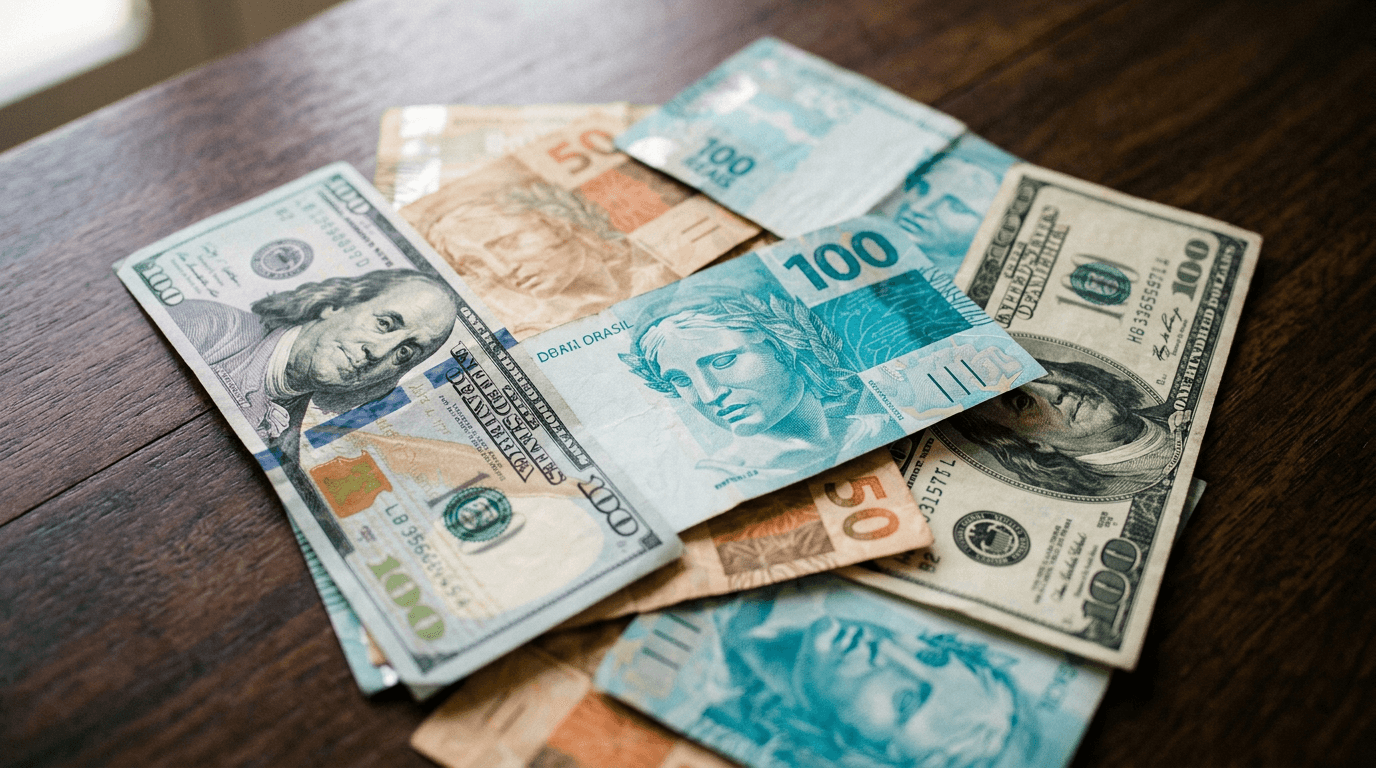
The Brazilian Real is facing renewed selling pressure, trading near R$5.1789 to the dollar, as the country’s leading presidential candidates enter the final stretch of the election campaign without offering a concrete, fully detailed fiscal plan to stabilize Brazil's public debt. This uncertainty is increasing the perceived risk premium on the currency and complicating the outlook for domestic interest rates.
Advisors for the major campaigns are circulating proposals for a new "fiscal anchor," often centered on a target for gross debt as a percentage of Gross Domestic Product (GDP). This debate over a new rule, however, is obscuring the central political challenge: the candidates are avoiding the discussion of politically costly measures—such as deep spending cuts or tax increases—that would actually be required to bring the nation's finances under control.
The need for a credible fiscal anchor is acute. Brazil's general government gross debt stands at approximately 82% of GDP, a figure that is high for a developing economy. More importantly, about half of that public debt is pegged to the Central Bank's policy interest rate, the Selic rate. This structural vulnerability means that every time the independent Central Bank of Brazil (BCB) raises the Selic rate to fight inflation, the government's own debt servicing cost rises immediately, putting direct pressure on the national budget.
The campaign of one leading candidate, Flávio Bolsonaro, has suggested a constitutional debt ceiling that would automatically trigger a spending freeze when gross debt exceeds a specific level, perhaps 65% of GDP. While proposing a target is straightforward, the current debt level of 81.9% of GDP means any new administration would need to implement a massive and immediate fiscal adjustment to stabilize the ratio. Economists suggest stabilizing the debt trajectory may require a sustained effort of at least 2.5 percentage points of GDP, a scale of adjustment that political observers doubt either candidate can deliver given Brazil's rigid budget structure and fragmented Congress.
The prevailing skepticism over a post-election fiscal effort is keeping volatility high. The lack of clarity around who will govern, and under what budget constraints, suggests the Brazilian Real will remain under pressure until after the October presidential vote, which serves as the next concrete marker for investors.
What it touches
The fiscal uncertainty directly impacts the exchange rate volatility for the USD BRL pair and the interest rate outlook. While high real interest rates—an outlier globally—continue to attract strong foreign inflows, this carry trade is currently being offset by the escalating political risk premium. If the election fails to provide a clear path toward debt stabilization, market analysts expect the Central Bank will be constrained from easing the Selic rate, keeping local debt yields elevated to compensate investors for the perceived fiscal risk.
Latest articles
Investing
Brazil’s Inflation Surprise Threatens Central Bank’s Rate-Cut Path
Published
NASDAQ · PRO
Brazil Splits R$2.3 Billion Sovereign AI Investment in Geopolitical Hedge Between China and US Tech
Published
Politics
Brazil’s Tax Reform Forces Small Businesses to Choose a Complex ‘Hybrid Regime’
Published