
Brazilian Real Futures Decline Following Presidential Election Results
November Brazilian real futures fell on the Chicago Mercantile Exchange after President Luiz Inácio Lula da Silva secured a runoff victory.
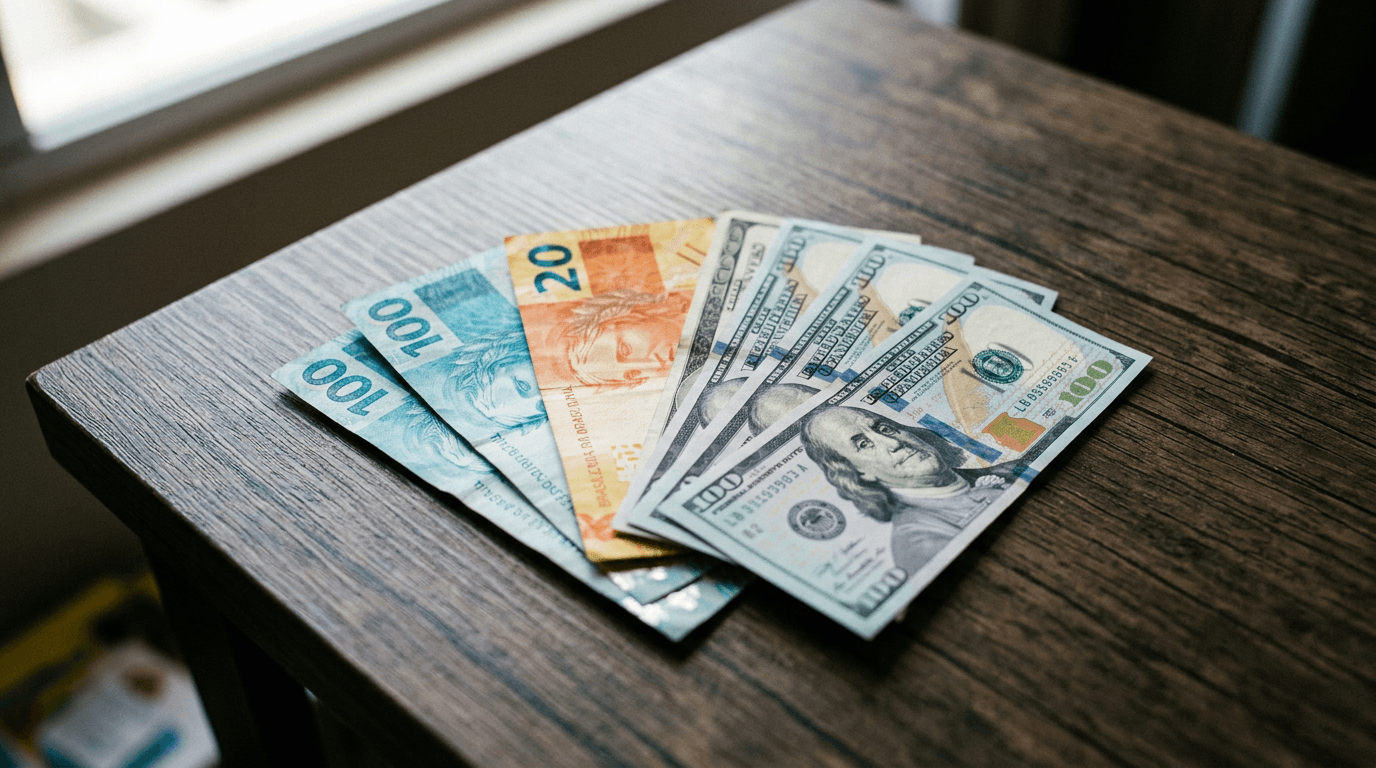
Overseas currency derivatives linked to the Brazilian real fell sharply following the country's presidential runoff election on Sunday, October 25, 2026. The market movement signals an immediate adjustment by global investors to the political landscape in Latin America's largest economy, which could affect the performance of US-listed funds tracking Brazilian equities.
On Monday, October 26, 2026, November Brazilian real futures traded on the Chicago Mercantile Exchange (CME) declined by 10.02% to approximately US$0.1814. According to CME trading data, this drop implies an exchange rate of roughly R$5.56 per greenback. The overseas derivatives drop contrasts with the local spot exchange rate of R$4.9896 per dollar recorded at the close of regular domestic trading on Friday, October 23, 2026, before Brazilian voters went to the polls.
Lula Secures Historic Fourth Term
The currency market's reaction followed official election results showing that leftist incumbent President Luiz Inácio Lula da Silva won the runoff. Lula secured 51.78% of the valid votes, according to data from Brazil's Superior Electoral Court (TSE), defeating his right-wing challenger, Federal Senator Flávio Bolsonaro, who received 48.22%. Senator Bolsonaro is the son of former President Jair Bolsonaro.
The election outcome represented a historic turnaround, as Lula had finished second behind Bolsonaro in the first round of voting on October 4, 2026. Following the confirmation of the results, Bolsonaro refused to concede and announced that his legal team would seek to annul the election, citing a last-minute decision by Supreme Court Justice Cristiano Zanin to extend voting hours by two hours in several regions.
Fiscal Policy and FX Translation
The decline in offshore futures reflects investor concerns regarding the fiscal outlook under Lula's incoming administration, which begins on January 5, 2027. International asset managers had anticipated that a victory by Bolsonaro would lead to market-friendly reforms and state privatizations. With Lula retaining the presidency, investors are preparing for continued state-led economic policies and public spending.
For foreign investors, a weakening real can dilute the dollar-denominated returns of Brazilian equities. Because the underlying shares of Brazilian companies are priced in reals, any depreciation of the local currency reduces their value when translated back into US dollars, even if the local stock prices remain stable.
In your brokerage app
If you hold the iShares MSCI Brazil ETF (listed in New York), your investment is exposed to these currency fluctuations. The exchange-traded fund holds shares of major Brazilian companies, such as state-controlled oil producer Petrobras and mining multinational Vale, which trade locally in São Paulo in Brazilian reals. Consequently, the fund's net asset value in US dollars is sensitive to shifts in the BRL/USD exchange rate.