
Why the Fed's 4.0% rate makes Brazil's 13.75% yield hard to ignore
The massive interest rate gap between the US and Brazil is holding steady at 9.75 percentage points, shaping the performance of the Brazil real and US-listed funds.
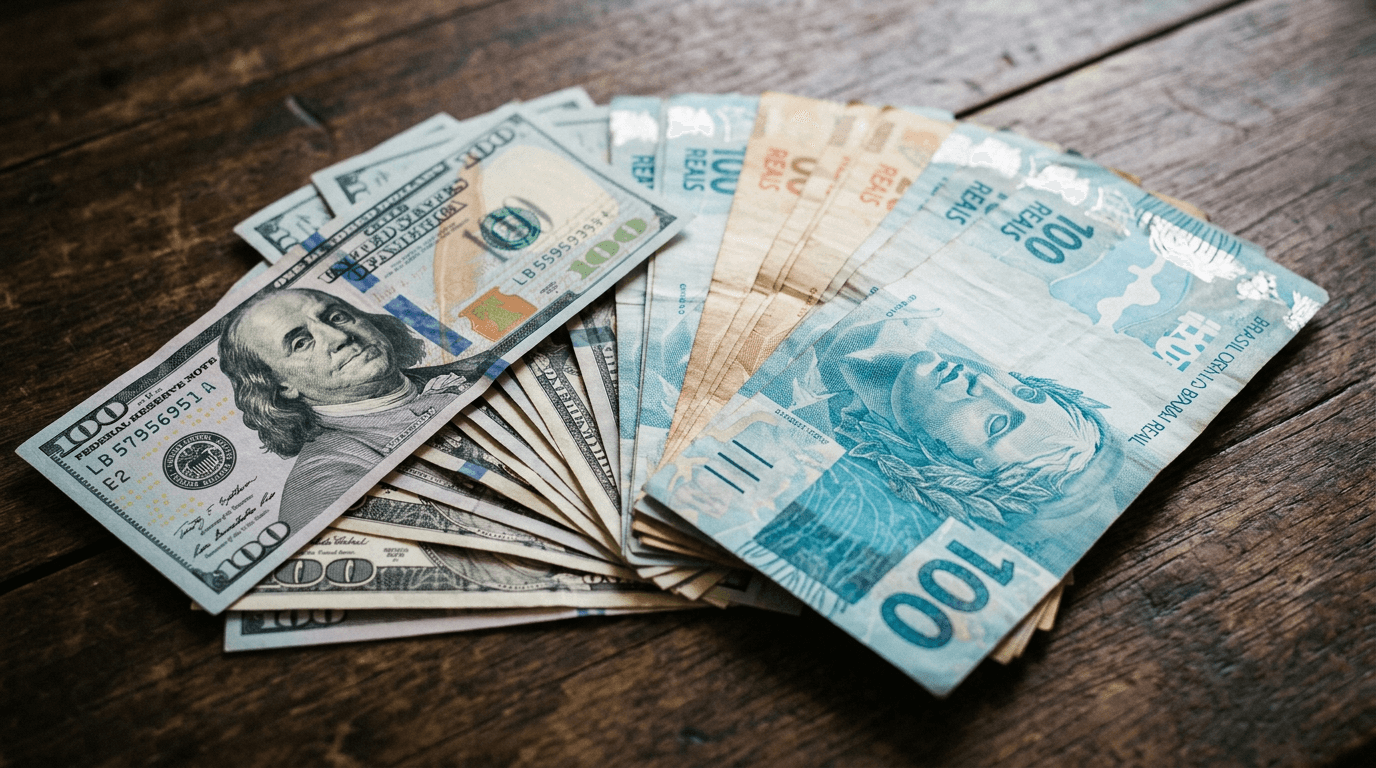
When the Federal Reserve sets the pace for global borrowing costs, every retail investor in the United States feels the ripple effects in their savings accounts and bond yields. As of October 24, 2026, the upper limit of the US federal funds rate stands at 4.0%, according to the Federal Reserve Bank of St. Louis (FRED). For an investor holding standard US Treasuries, that 4.0% benchmark is the baseline against which all global risks are measured.
But across the equator, Brazil’s central bank is operating in an entirely different financial stratosphere. The Central Bank of Brazil maintains its benchmark Selic target rate at 13.75%, as recorded in the official SGS series 432 database. This leaves a massive interest rate gap of exactly 9.75 percentage points between the two nations—a spread that has remained unchanged over the last 30 days.
For global macro traders, this rate gap is the lifeblood of the "carry trade," where investors borrow in low-yielding currencies like the US dollar to buy high-yielding assets denominated in the Brazil real. This persistent yield premium is a primary reason why the brazil real vs dollar exchange rate has shown resilience, trading at 5.0371 reals per dollar. When Brazil pays nearly 10 percentage points more than the US, it creates a structural cushion that supports the local currency against capital flight.
However, this yield does not come without political friction. Brazil is currently navigating a highly charged electoral cycle, with the presidential runoff scheduled for October 25, 2026. The political risk centers on how the next administration—whether led by incumbent President Luiz Inácio Lula da Silva or his challenger—will handle fiscal spending. If the incoming government bypasses constitutional spending limits, inflation could surge, forcing the central bank's monetary policy committee (Copom) to halt its rate-cutting cycle or even raise rates again. Conversely, a credible fiscal plan could allow the central bank to safely lower rates toward the 12% market expectation for late 2027, boosting local equities.
For an American investor, this means the high yields in Brazil are a double-edged sword. While the 13.75% Selic rate keeps foreign capital interested and stabilizes the brazil real, any sudden political shift that threatens fiscal credibility can trigger rapid currency depreciation, quickly erasing those high-interest gains when converted back to US dollars.
In your brokerage app
For retail investors looking to observe how this massive interest rate differential affects Brazilian equities, the most direct route is through the iShares MSCI Brazil ETF, listed in New York. This exchange-traded fund, which holds heavy weightings in major Brazilian financial institutions like Itaú Unibanco and state-backed energy giant Petrobras, effectively trades as a liquid proxy for the country's macroeconomic health and the fluctuating value of the Brazil real.