
Why a massive 9.75% global rate gap is moving your portfolio
The yield spread between US Treasuries and Brazilian bonds remains at a wide 9.75 percentage points, driving capital flows and currency volatility.
When the Federal Reserve adjusts the cost of money in Washington, the ripple effects hit every retirement portfolio and brokerage account in America. As of October 24, 2026, the upper target for the US federal funds rate sits at 4.0%, according to Federal Reserve Bank of St. Louis data. For a retail investor, this benchmark dictates the yield on everything from cash sitting in settlement funds to newly issued US Treasury bonds.
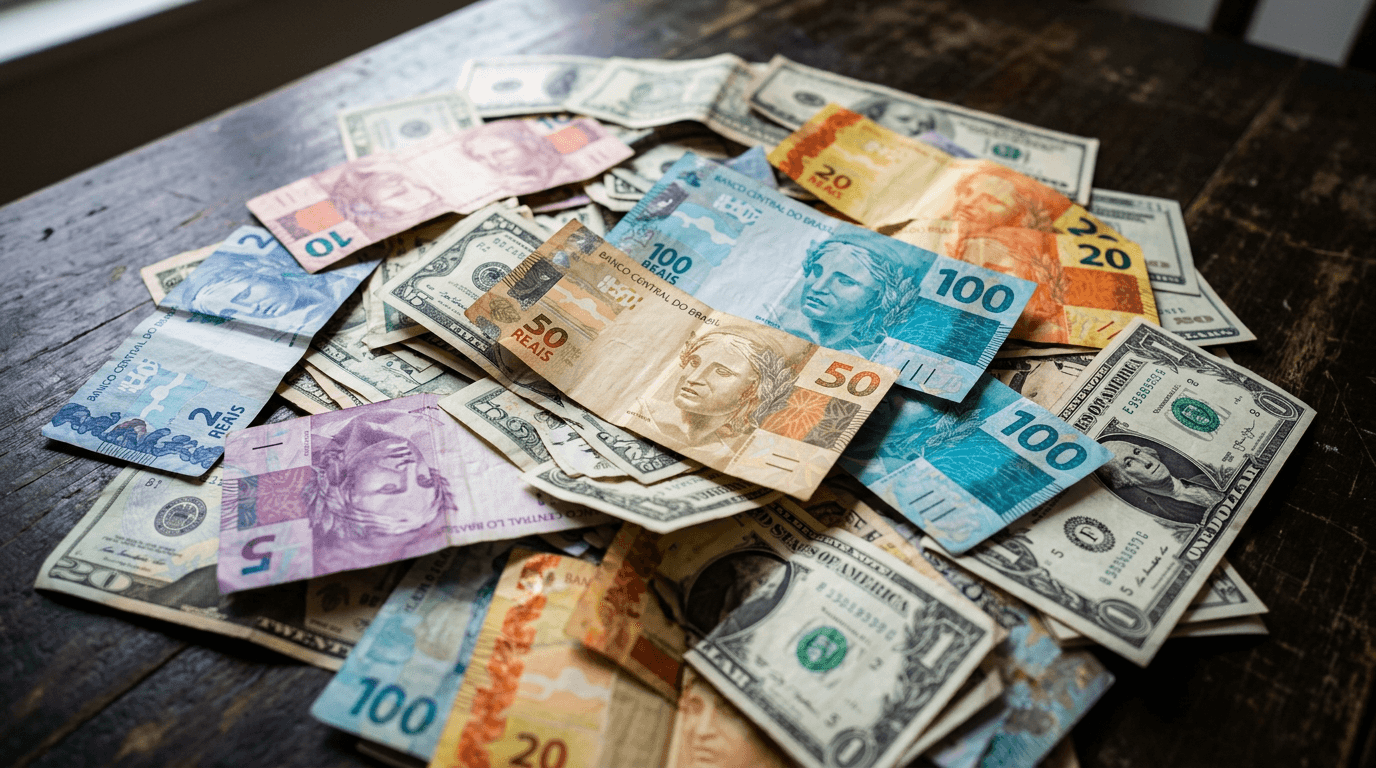
But across the equator, a massive yield gap is quietly driving global capital flows. The Banco Central do Brasil—Brazil's central bank—currently holds its benchmark Selic rate at 13.75%, as verified by the Banco Central do Brasil's SGS database. This creates a yield spread of exactly 9.75 percentage points between the two economies, a gap that has remained unchanged over the last 30 days.
For international asset managers, this 9.75-point gap is the foundation of the "carry trade"—a strategy where investors borrow in low-yielding currencies like the US dollar to buy high-yielding assets abroad. When the gap is this wide, it acts as a magnet for global capital, putting upward pressure on the Brazilian real and directly affecting the valuation of international funds that American investors might already hold in their portfolios.
The Electoral Lens and Political Risk
However, harvesting a 13.75% yield is never free of risk. In Brazil, the primary mechanism of risk is political, specifically tied to the country's tight presidential election cycle. On October 25, 2026, Brazilian voters head to the polls for the second round of the presidential election, choosing between incumbent left-wing President Luiz Inácio Lula da Silva and right-wing challenger Flávio Bolsonaro.
The outcome carries direct consequences for the country's fiscal rules. Brazil's public debt-to-GDP ratio has surpassed 80%, and the budget deficit exceeds 8% of GDP. Credit rating agencies, including Fitch Ratings, have warned that while the central bank could theoretically lower the Selic rate to 11.75% by the end of 2027, the actual pace of cuts depends entirely on whether the incoming administration implements a credible fiscal adjustment.
If the post-election government fails to control public spending, inflation expectations will likely rise, forcing the central bank's Monetary Policy Committee (Copom) to keep interest rates high to defend its 3% inflation target. Conversely, a credible fiscal plan would relieve the country's risk premium, potentially boosting local equity markets even as nominal interest rates begin to fall.
In your brokerage app
For retail investors who do not trade foreign currency directly, this macroeconomic tug-of-war is felt through broad emerging market exchange-traded funds. The iShares MSCI Brazil ETF, listed in New York, is the most heavily traded US fund tracking Brazilian equities. Because the fund holds assets denominated in Brazilian reals, its performance is highly sensitive to how the 9.75-point interest rate gap sways the USD/BRL exchange rate.