Fed Policy and Brazil's 9.75-Point Yield Gap Explained
The wide interest rate spread between the U.S. and Brazil shapes foreign exchange dynamics as markets digest recent political developments.
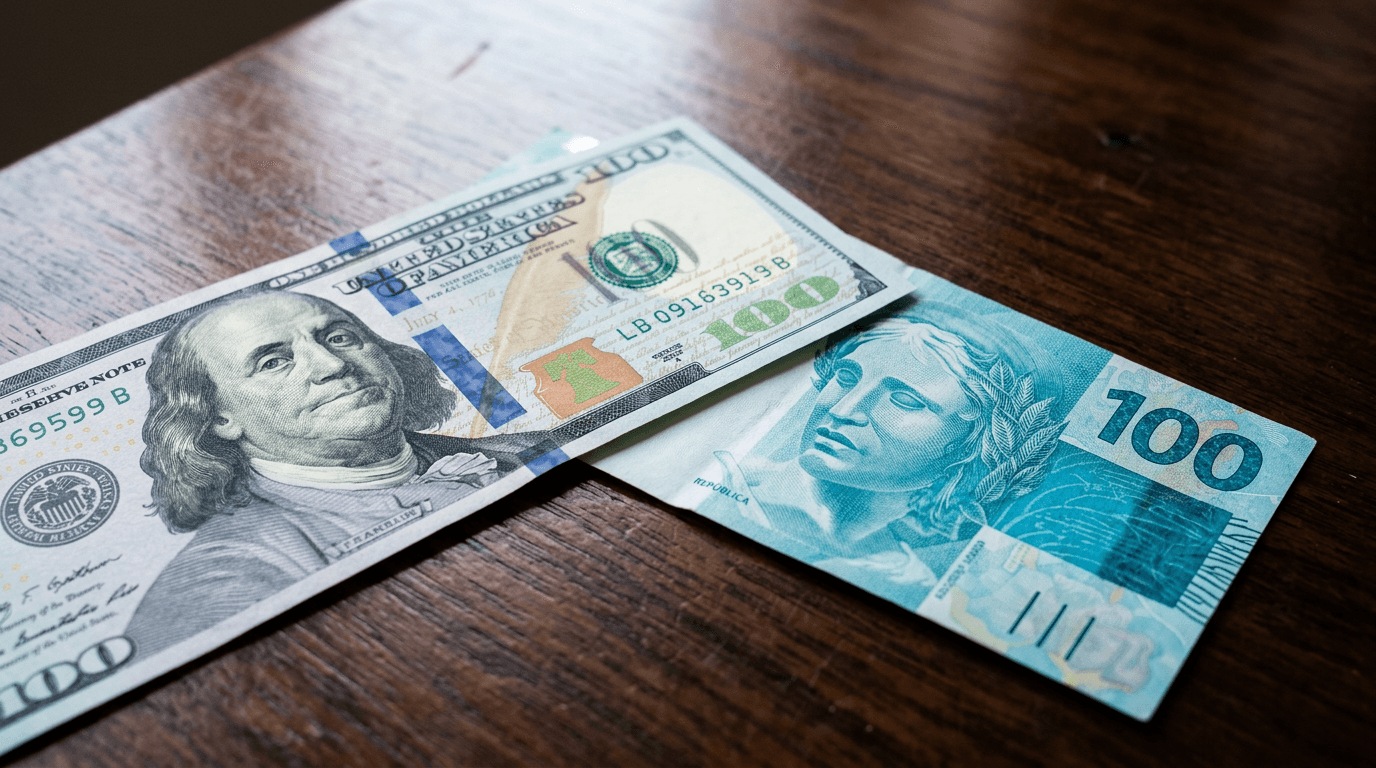
The baseline hurdle for global capital allocation is anchored directly to the Federal Reserve's monetary policy. According to the Federal Reserve Bank of St. Louis FRED database, the upper target limit for the U.S. federal funds rate stands at 4.0% as of October 28, 2026. For international capital allocators, this benchmark rate represents the foundational yield against which all foreign asset returns must be measured.
Across the equator, Brazil’s central bank, Banco Central do Brasil, maintains a vastly different monetary stance. According to the central bank's SGS time-series database, the country's benchmark Selic interest rate is holding at 13.75% as of October 28, 2026. The resulting spread between the two nations is exactly 9.75 percentage points—a gap that has remained unchanged over the last 30 days.
This yield differential is the fundamental engine behind the "carry trade," an investment strategy where market participants borrow in lower-yielding currencies like the U.S. dollar to purchase higher-yielding assets, such as Brazilian government bonds. When this interest rate gap is wide and stable, it acts as a primary incentive for foreign capital inflows, which historically supports the Brazilian real against the U.S. dollar. Conversely, if the Federal Reserve raises rates or if Brazil's monetary policy committee, Copom, cuts rates too aggressively, the narrowing gap can trigger capital outflows from Brazilian debt markets.
Political Risk and the Yield Cushion
This yield cushion is particularly critical as political risk dominates the narrative surrounding Brazil's upcoming electoral cycle. Global analysts closely monitor whether the government will respect fiscal spending rules or pressure the independent central bank to lower rates prematurely. A wider interest rate gap provides a buffer, compensating international investors for these domestic political risks and helping stabilize the exchange rate of the Brazilian real against the U.S. dollar, which trades at 5.3498 reais per dollar as of October 28, 2026, according to Trading Economics market data.
The future trajectory of this spread depends on the upcoming policy decisions of both institutions. The Federal Open Market Committee and Copom are scheduled to review their respective benchmark rates in November 2026. Any divergence from current market expectations will immediately recalibrate the relative value of Brazilian fixed-income assets for foreign portfolios.
Currency Effects on Brazilian Equity Instruments
For holders of Brazil-focused equity exchange-traded funds listed in New York, this interest rate gap is a key macroeconomic variable. Because the underlying stock holdings of these funds are denominated in the local Brazilian currency, fluctuations in the exchange rate of the Brazilian real against the U.S. dollar mechanically alter the funds' net asset value when translated back into dollars, independent of the local stock market's nominal performance.