
What the Fed’s 4.0% rate means for your global portfolio
The massive 9.75-point interest rate gap between the US Federal Reserve and Brazil’s central bank is keeping the real steady and shaping foreign fund returns.
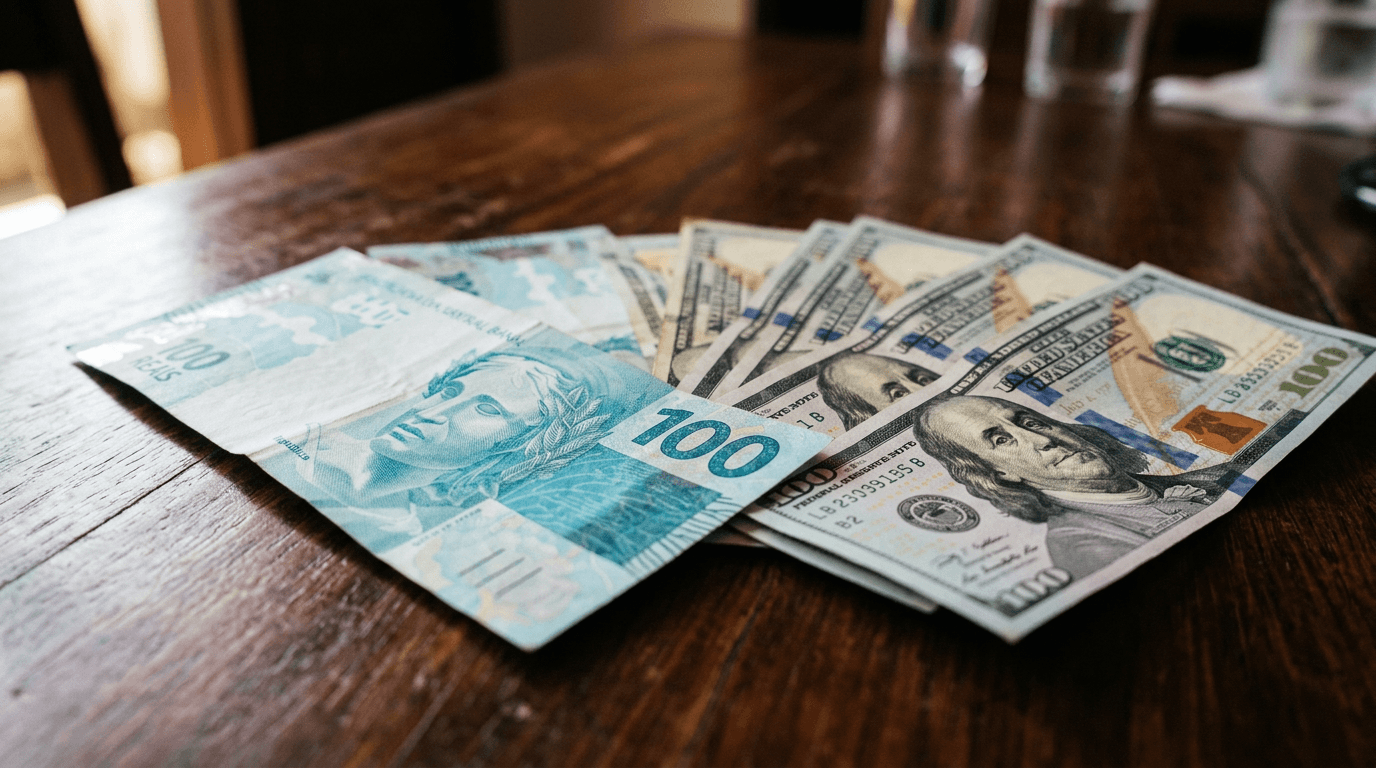
When the Federal Reserve adjusts the cost of money in Washington, the ripples are felt instantly in the brokerage accounts of everyday retail investors. The Fed’s current upper target rate of 4.0%, recorded on October 22, 2026, by the Federal Reserve Bank of St. Louis (FRED series DFEDTARU), serves as the baseline for what conservative investors can earn on safe US Treasuries. But for those looking beyond US borders, it also sets the baseline for the global "carry trade"—the strategy of borrowing where rates are low to invest where they are high.
Right now, that equation is heavily tilted toward South America. Brazil's central bank, known as the Banco Central do Brasil, maintains its benchmark Selic target rate at a staggering 13.75%, according to the bank's official SGS series 432 database on October 22, 2026. This leaves a massive 9.75 percentage point interest rate gap between the two countries—a spread that has remained completely unchanged over the last 30 days.
For an American investor, this yield gap is the primary engine behind the value of the Brazilian currency. When the gap is this wide, global institutional money tends to flow into Brazilian government bonds, which supports the local currency, the real, against the US dollar. Conversely, if the Fed begins to hike rates or if Brazil's monetary policy committee, Copom, cuts its rates too aggressively, that gap narrows. A narrower gap reduces the incentive for foreign investors to hold Brazilian debt, often triggering a quick sell-off in the currency and dragging down the value of US-listed Brazil funds.
The mechanism keeping this spread wide is Brazil's ongoing battle with domestic inflation and the political risk surrounding the upcoming presidential election cycle. Investors demand a high premium to hold Brazilian assets due to fears of fiscal instability and shifting regulatory frameworks. While the high Selic rate acts as a shield for the currency, it also acts as a drag on local corporate growth by making credit expensive.
For retail investors who do not follow daily emerging market news, this interest rate differential is the single most important metric to watch. It directly dictates whether the exchange rate will eat away at foreign stock returns or boost them when converted back into US dollars.
In your brokerage app
Investors holding the iShares MSCI Brazil ETF, a prominent exchange-traded fund listed in New York that tracks the largest publicly traded companies in Brazil, are directly exposed to this interest rate gap. Because the fund holds assets denominated in the local currency, any shift in the interest rate differential that weakens or strengthens the Brazilian real relative to the US dollar will immediately impact the fund's net asset value in US terms.