
How the Fed and Brazil's 13.75% Rate Gap Affects Your Portfolio
The 9.75 percentage point yield gap between the Federal Reserve and Brazil's central bank keeps the carry trade alive, moving the real and US-listed funds.
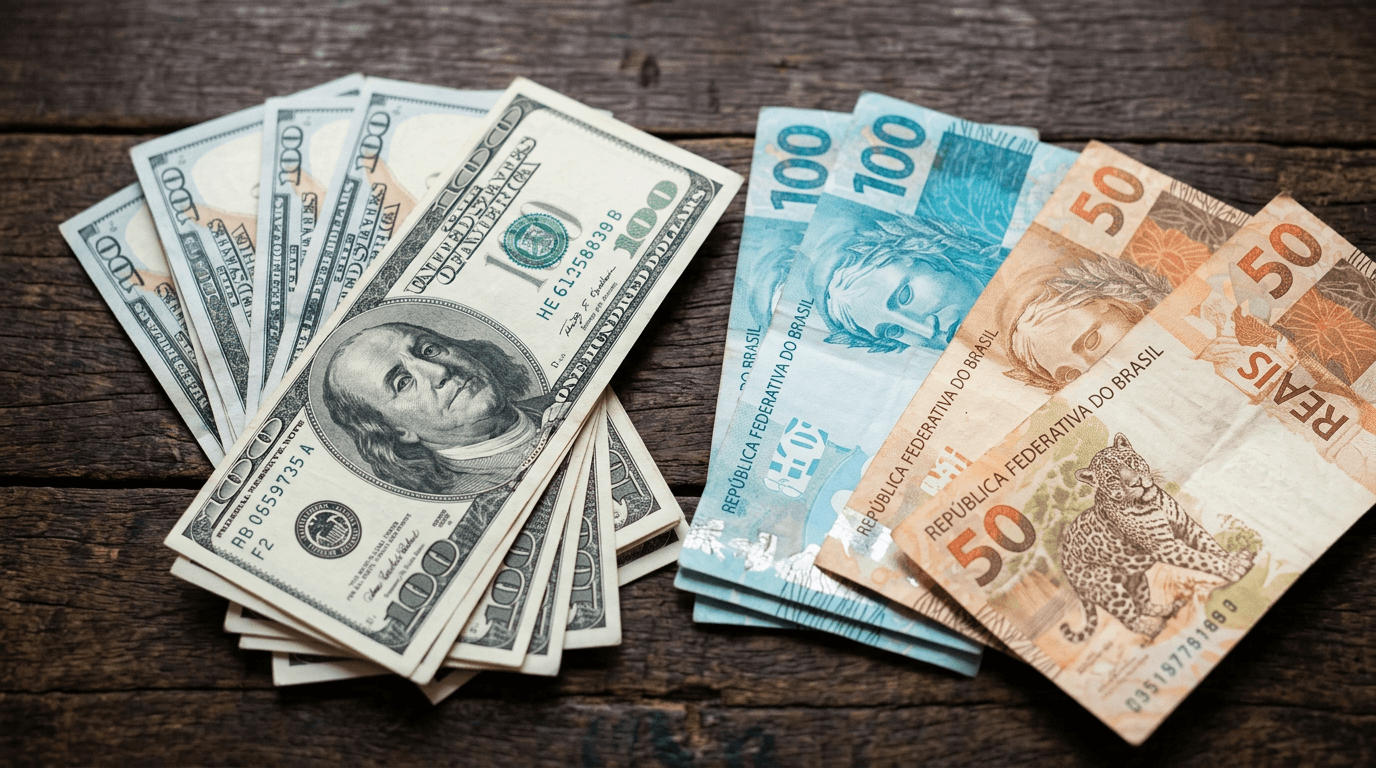
When you check your brokerage account, the yield on your cash or short-term Treasury bills is likely anchored near the Federal Reserve's upper target limit of 4.0%, a level maintained by the U.S. central bank as of October 25, 2026, according to FRED economic data. For a retail investor, that 4.0% represents a stable, risk-free benchmark for domestic cash. However, in the global currency and bond markets, that rate is only half of a equation that dictates the flow of billions of dollars into emerging market assets.
Across the equator, Brazil's central bank, known as the Banco Central do Brasil, has set its benchmark Selic target rate at 13.75%, according to the bank's official SGS series 432 database. This leaves a massive 9.75 percentage point yield gap between the two countries—a spread that has remained unchanged over the last 30 days. For international investors, this wide chasm is the foundation of the "carry trade," where traders borrow in low-yielding currencies like the U.S. dollar to invest in high-yielding ones like the Brazilian real.
This interest rate gap matters to everyday investors because it acts as a gravity well for the currency, directly influencing the brazil real to usd exchange rate. When the yield gap is wide, it cushions the brazil real against domestic political volatility. Currently, that volatility is peaking as Brazilian voters head to the polls on October 25, 2026, for a highly contested presidential runoff between the incumbent left-wing President Luiz Inácio Lula da Silva and right-wing challenger Flávio Bolsonaro.
The Mechanics of Political Risk
For a foreign investor, the primary risk of chasing a 13.75% yield is that currency depreciation can quickly wipe out any interest gains. If the brazil real vs dollar exchange rate weakens significantly, the conversion back to greenbacks erodes the return. This is where the electoral cycle becomes the critical lens. According to a Fitch Ratings report from October 22, 2026, Brazil is facing severe fiscal pressures, with a budget deficit exceeding 8% of GDP and a public debt-to-GDP ratio surpassing 80%.
The election outcome will trigger specific policy mechanisms that directly affect this rate gap. A victory by the market's preferred candidate could lead to a swift fiscal adjustment plan, potentially allowing the central bank's monetary policy committee, Copom, to accelerate interest rate cuts toward 11.75% by the end of 2027. Conversely, if fiscal consolidation stalls, the central bank may be forced to keep the Selic rate elevated to combat inflation, maintaining a wide yield gap but increasing the risk of a sudden currency sell-off.
Ultimately, the 9.75 percentage point spread is a double-edged sword. It offers a historic buffer that keeps Brazilian assets attractive on a relative-value basis, but it reflects the high risk premium that international markets demand to hold Brazil's sovereign debt during a period of intense political transition.
In your brokerage app
If you hold the iShares MSCI Brazil ETF, a prominent exchange-traded fund listed in New York that tracks large and mid-sized Brazilian equities, your investment is highly sensitive to both the Selic-Fed rate gap and the fluctuations of the Brazilian real. A narrowing of this interest rate differential typically prompts capital outflows from Brazilian equities back to the U.S., while a stable or widening gap tends to support the fund's underlying asset valuations.