
High-Yielding Brazilian Bonds Keep Pressure on the Dollar as Selic Holds at 13.75%
The Central Bank of Brazil maintained its benchmark Selic rate at 13.75%, preserving one of the world's highest real yields and drawing capital away from US assets.
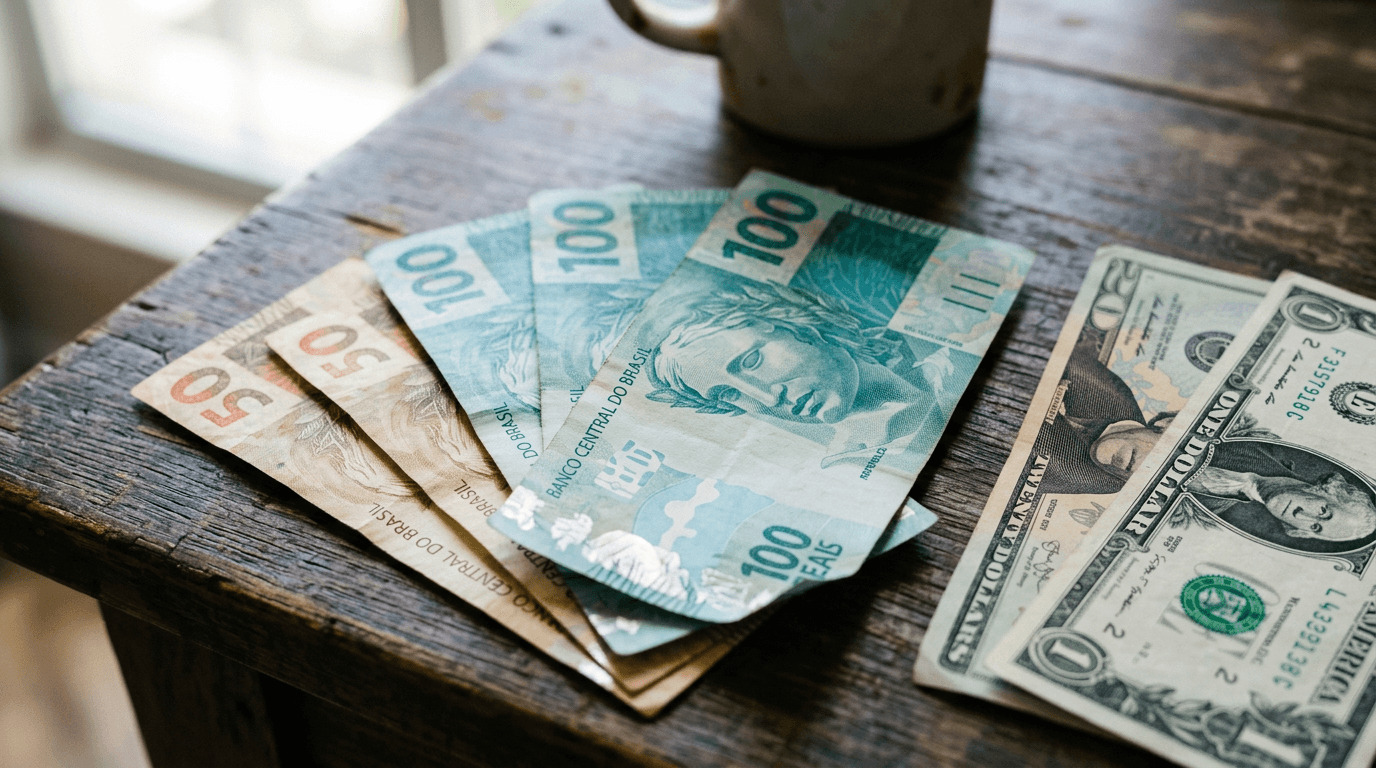
The Federal Reserve’s ongoing efforts to balance US borrowing costs are facing a quiet competitor south of the equator, as double-digit yields abroad continue to reshape global capital flows. For American retail investors holding diversified international funds, the persistent gap between US interest rates and those in emerging markets is keeping a floor under foreign currencies while limiting the dollar's traditional dominance.
The primary driver of this dynamic is the Central Bank of Brazil (BCB). In its monetary policy committee (Copom) meeting on September 16, 2026, the bank lowered its benchmark Selic interest rate by 25 basis points to 13.75%. Despite this fifth consecutive minor reduction, the country’s benchmark rate remains among the highest in the world in real terms. This massive yield cushion continues to attract global carry-trade capital—where investors borrow in low-rate currencies to invest in high-yielding ones—directly supporting the brazil real vs dollar exchange rate.
Domestic political and economic pressures are preventing Brazilian policymakers from initiating a steeper rate-cut cycle. Persistent domestic inflation expectations, which private economists surveyed in the central bank's Focus Bulletin on September 21, 2026, projected to end the year at 4.9%, remain well above the official target. Additionally, ongoing fiscal debates under the administration of President Luiz Inácio Lula da Silva have kept markets cautious. This domestic caution has translated into a highly conservative monetary stance, ensuring that Brazilian bonds remain incredibly lucrative for yield-seeking global funds.
For US investors, this means the brazil real to usd conversion rate has shown notable resilience. While high interest rates in Brazil cool its domestic economy, they act as a magnet for institutional fixed-income allocations. This reallocation of capital away from US Treasuries into high-yielding Brazilian sovereign debt continues to influence the performance of broad emerging market portfolios.
In your brokerage app
For retail investors looking to capture the effects of these high interest rates on Brazilian equities and currency moves, the iShares MSCI Brazil ETF is an exchange-traded fund listed in New York that tracks the investment results of an index composed of Brazilian equities, offering direct exposure to the fluctuations of the brazil real.