Why Brazil Interest Rate Pressures Squeeze New York-Listed Bradesco
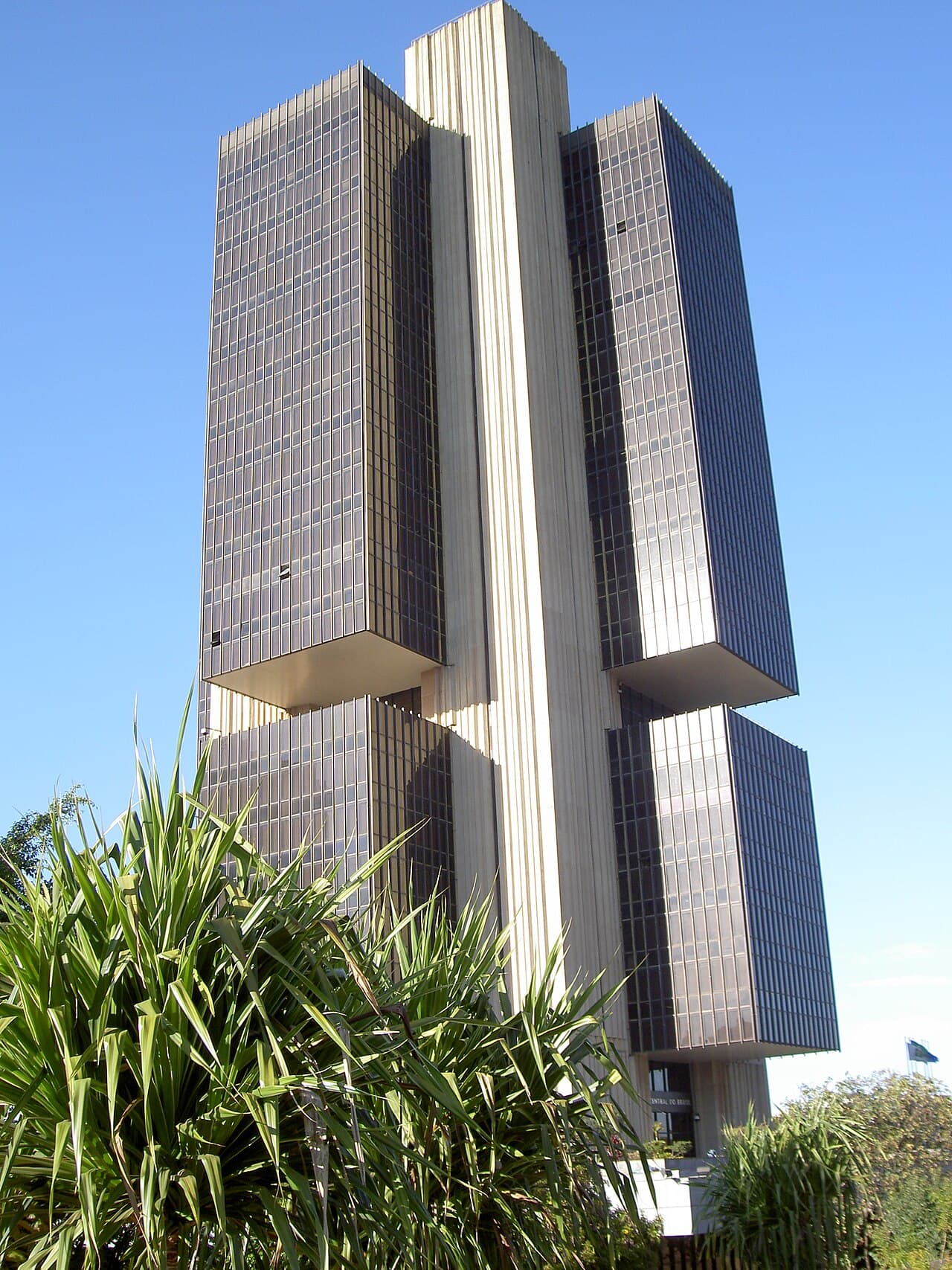
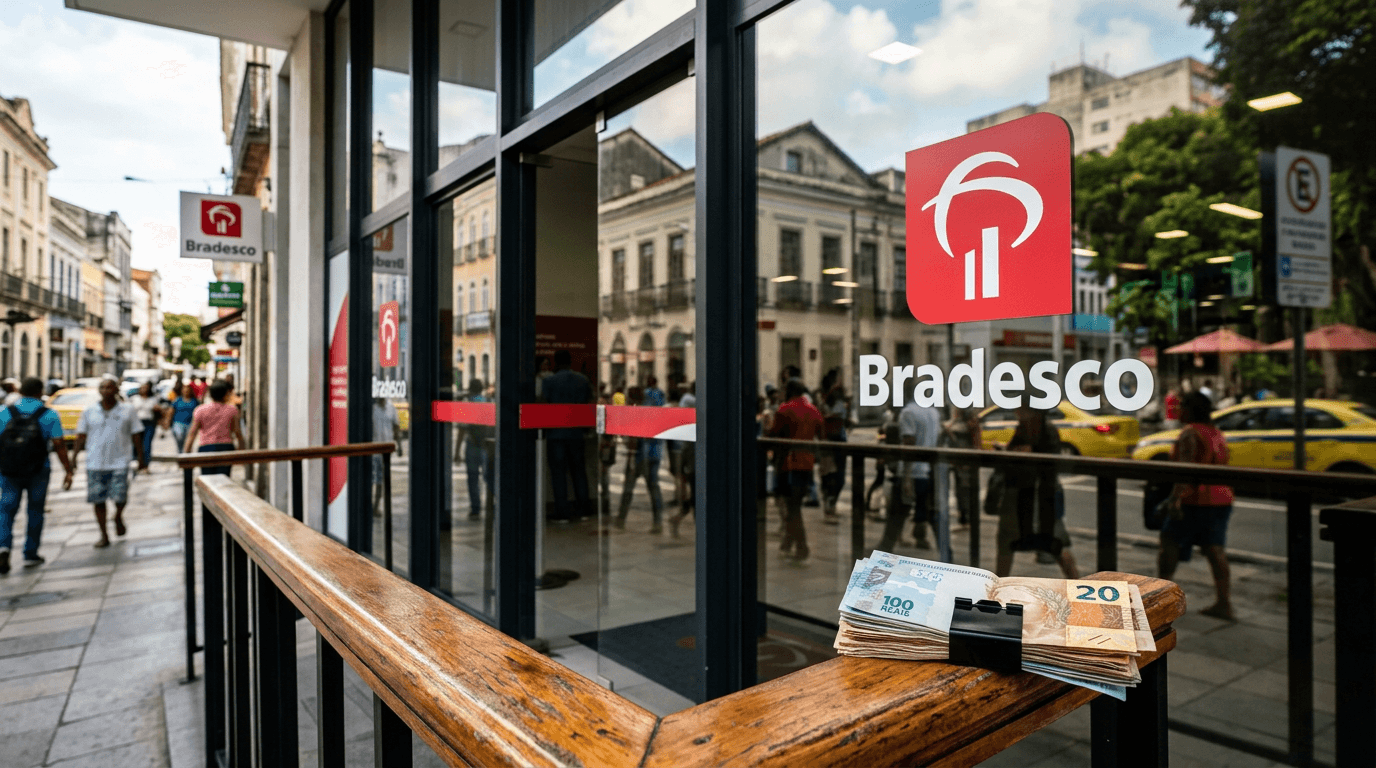
Banco Bradesco reports a 24.3% surge in loan-loss provisions for Q3 2026 as high interest rates in Brazil pressure consumer and small business portfolios.


Banco Bradesco reports a 24.3% surge in loan-loss provisions for Q3 2026 as high interest rates in Brazil pressure consumer and small business portfolios.
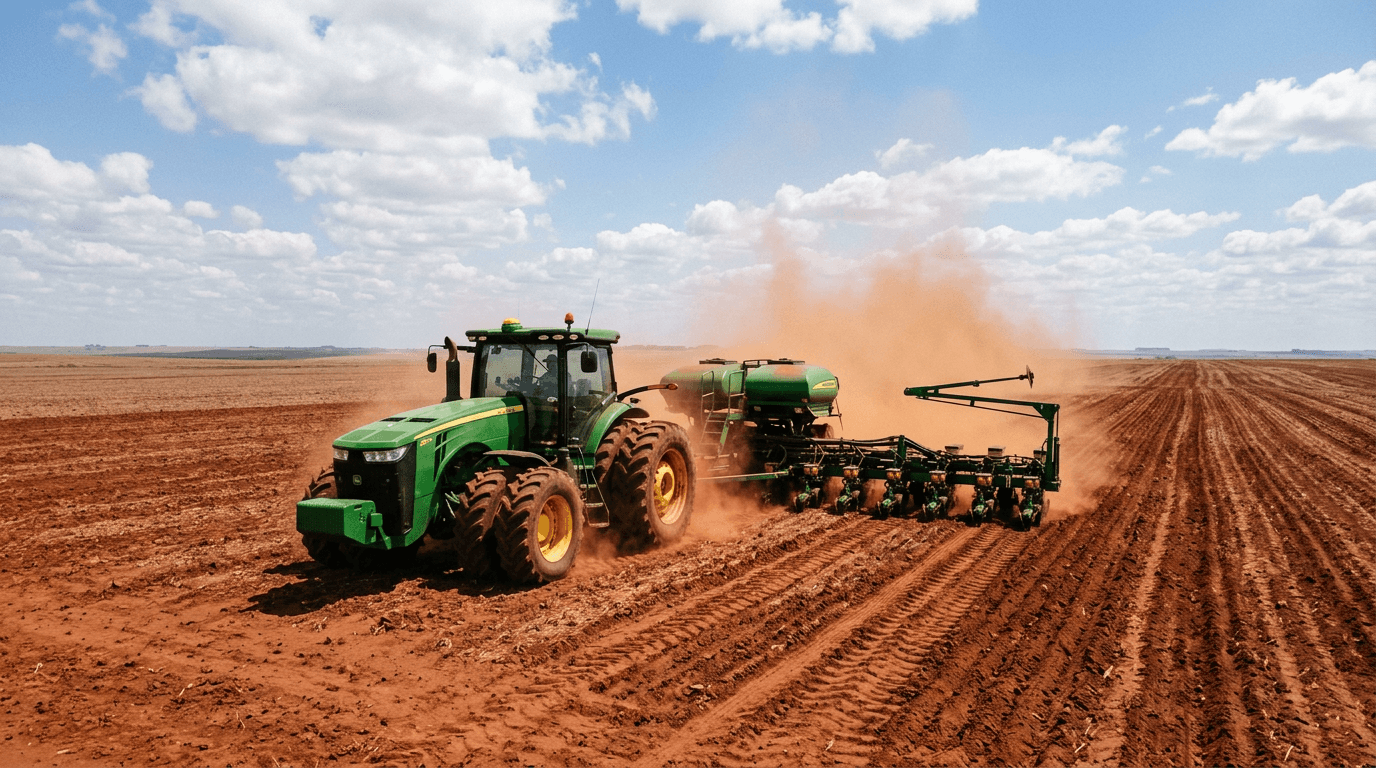
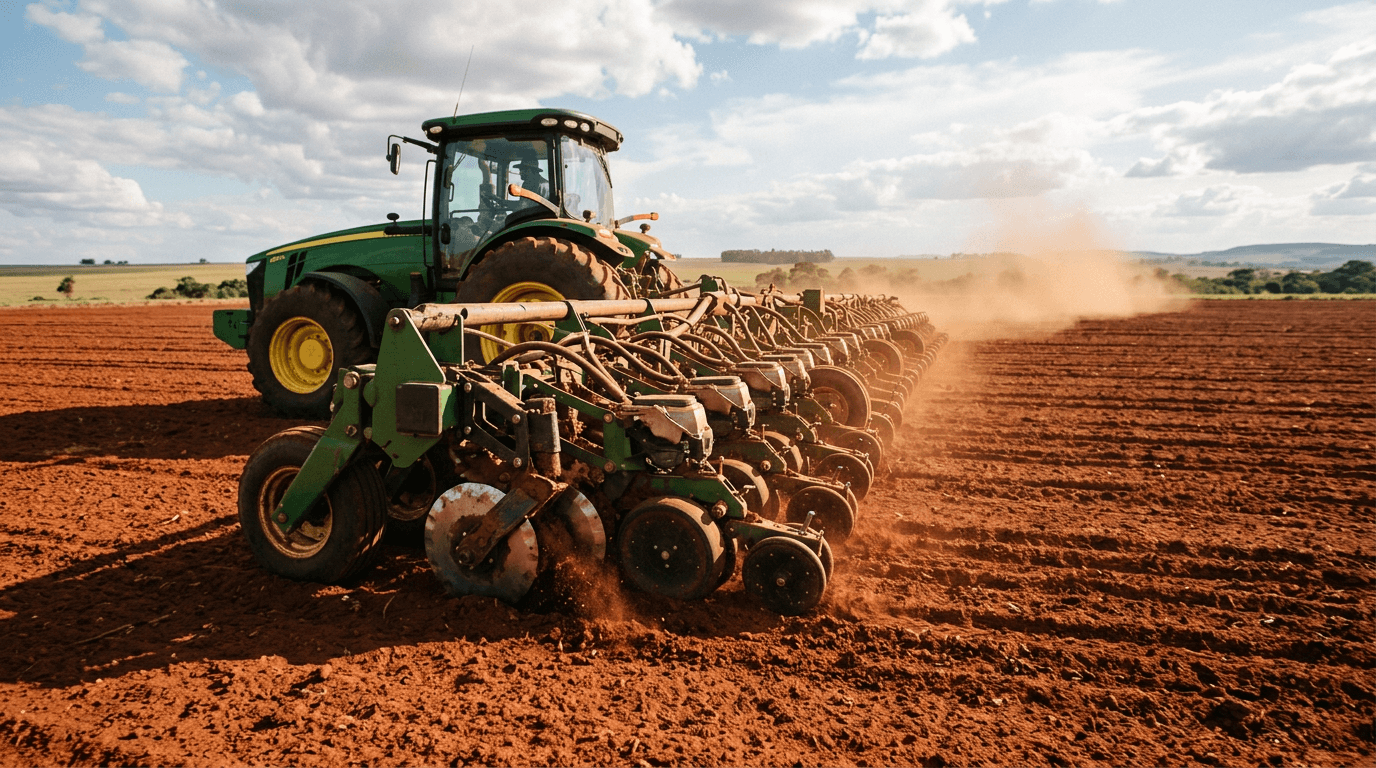
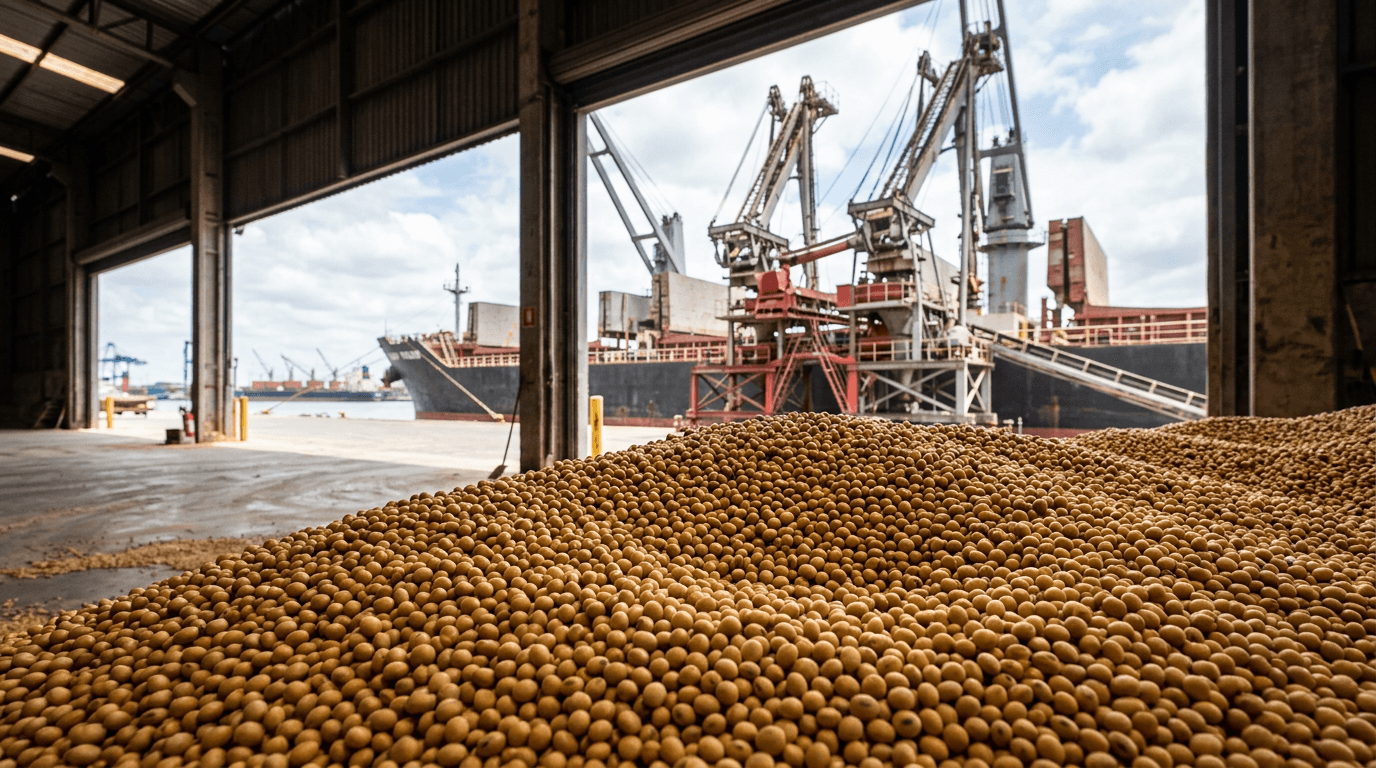
The CFTC reports speculative net-long soybean positions of 246,596 contracts, highlighting market sentiment as Brazil prepares for a record harvest.
Banco Bradesco posted a 14.6% profit surge for Q3 2026, but a sharp 24.3% spike in loan-loss provisions highlights rising credit risks in Brazil.
A U.S.-backed $12 billion AI data center project in Paraguay will tap the Itaipu Dam's surplus power, threatening the cheap energy supply Brazil relies on.
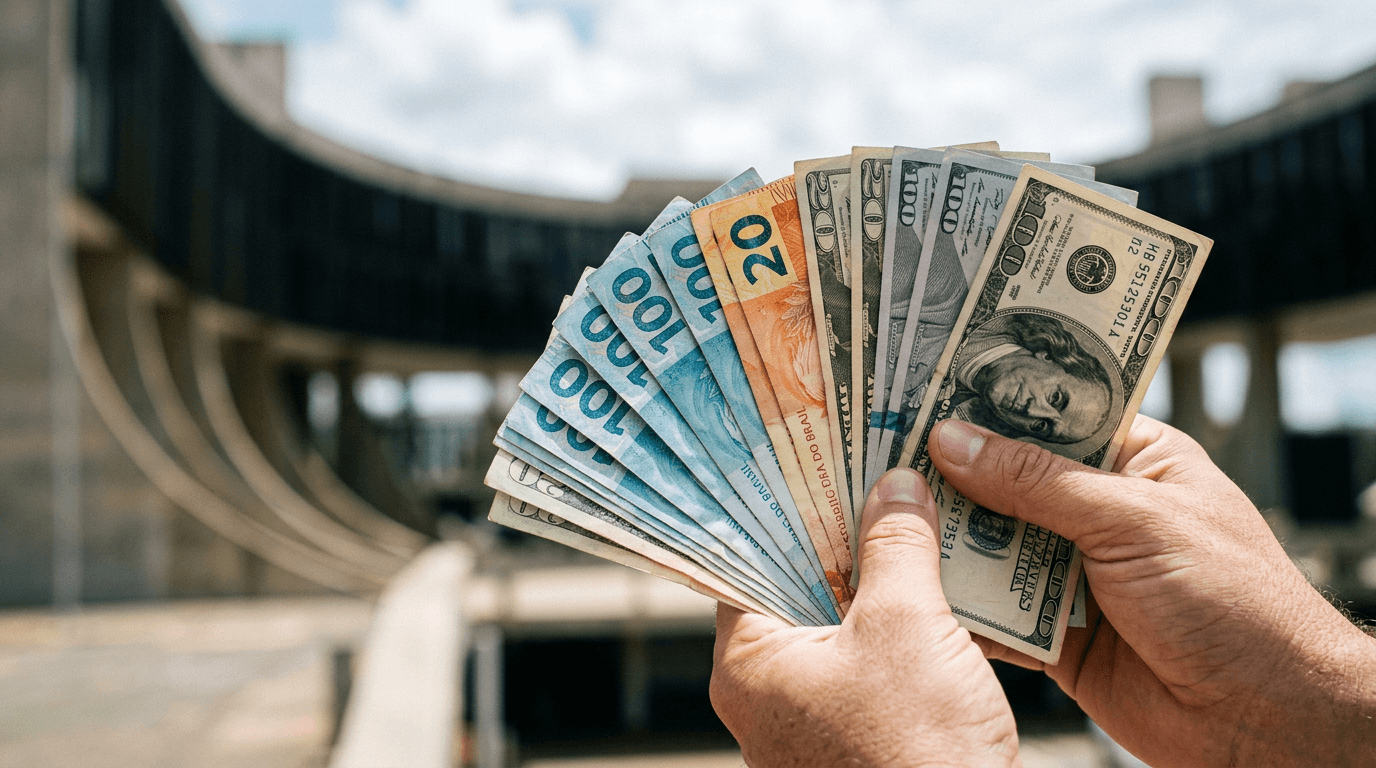
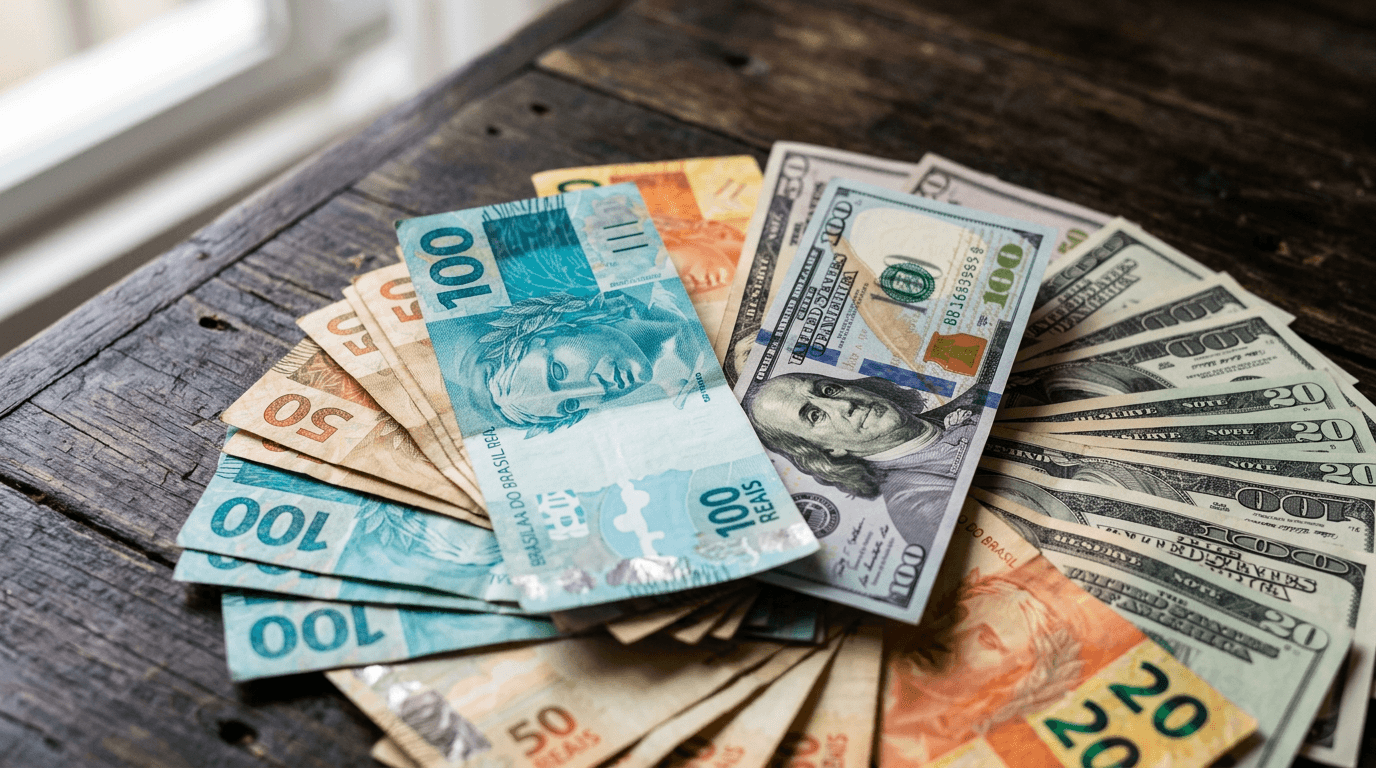
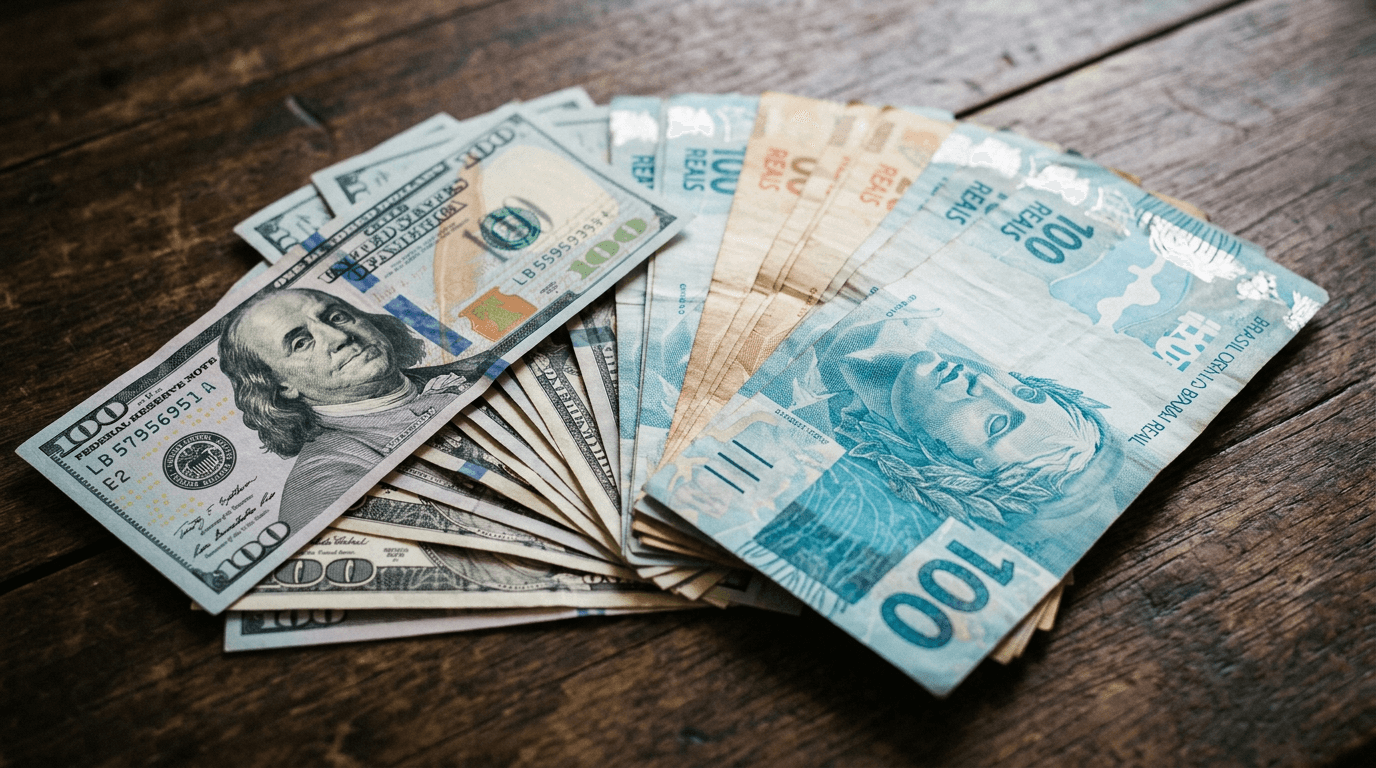
The 9.75 percentage point yield gap between the Federal Reserve and Brazil's central bank keeps the carry trade alive, moving the real and US-listed funds.
The CFTC reports a major shift to net-long soybean positions, signaling that institutional funds are preparing for potential supply shocks.
Banco Bradesco reported a 14.6% rise in Q3 2026 recurring net profit, but rising delinquencies and a 24.3% jump in loan-loss provisions weighed on the results.
The yield premium between Brazil's Selic rate and the U.S. federal funds rate sits at 9.75 percentage points, driving the carry trade and foreign exchange risk.
CFTC data shows non-commercial traders holding a net-long position in Chicago soybeans as of October 20, 2026, as South American weather risks offset US harvest pressure.
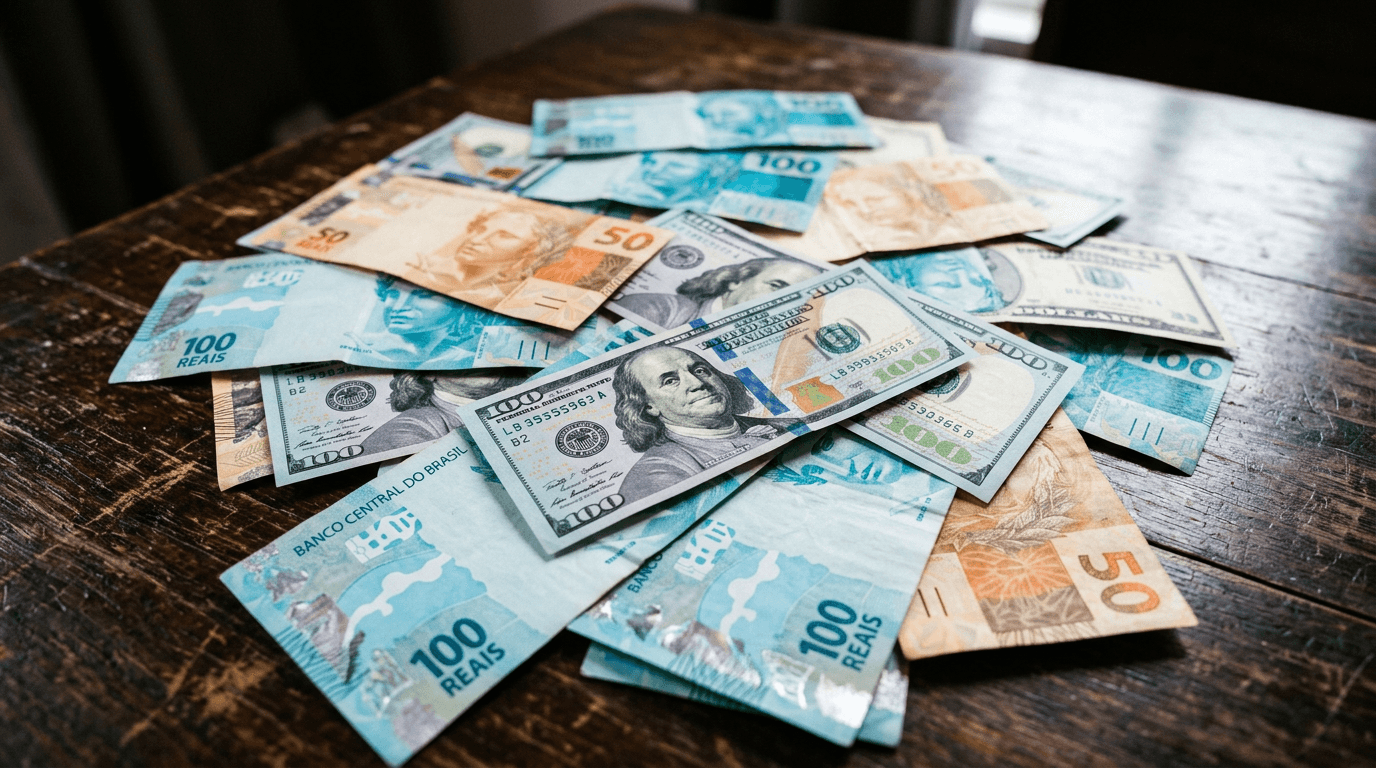
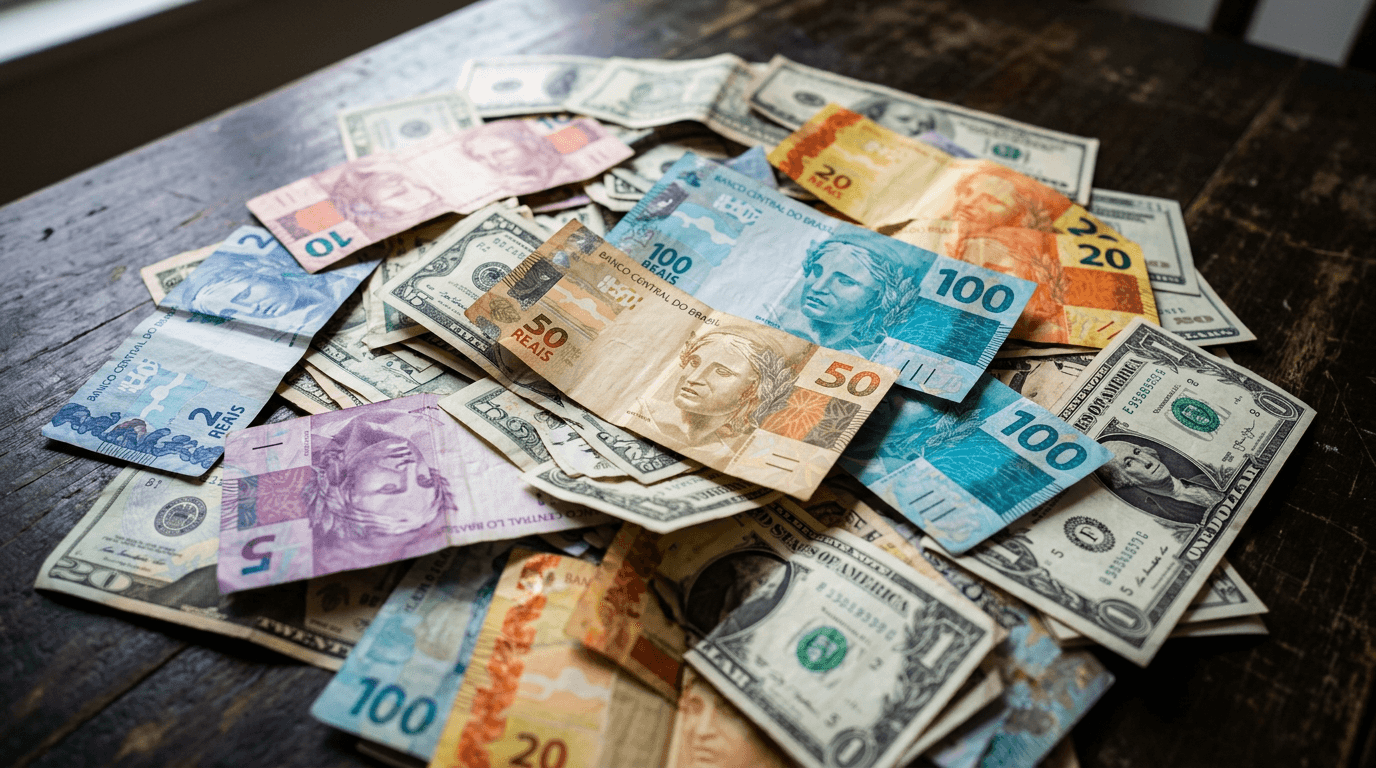
A widening interest rate gap has fueled a rally in the Brazilian real, demonstrating how currency swings quietly reshape foreign returns for retail investors.
The massive interest rate gap between the Federal Reserve and Brazil's central bank keeps the carry trade alive, anchoring the Brazil real vs dollar.
Brazil's recent abolition of the six-day workweek and new central bank credit rules are forcing regional companies to adapt their cost structures.
A neck-and-neck presidential runoff between Lula and Flávio Bolsonaro has Wall Street bracing for fiscal corrections in Brazilian assets.
Speculative traders reduced their net-long soybean positions to 246,596 contracts as of October 20, 2026, balancing Midwest harvest supply against South American planting delays.
Brazil's central bank has approved strict new rules targeting instant-payment lending and unsolicited credit ads, threatening to slow loan growth for high-growth fintechs.
The massive interest rate gap between Brazil's 13.75% Selic target and the Fed's 4.0% upper limit continues to fuel a lucrative currency carry trade.
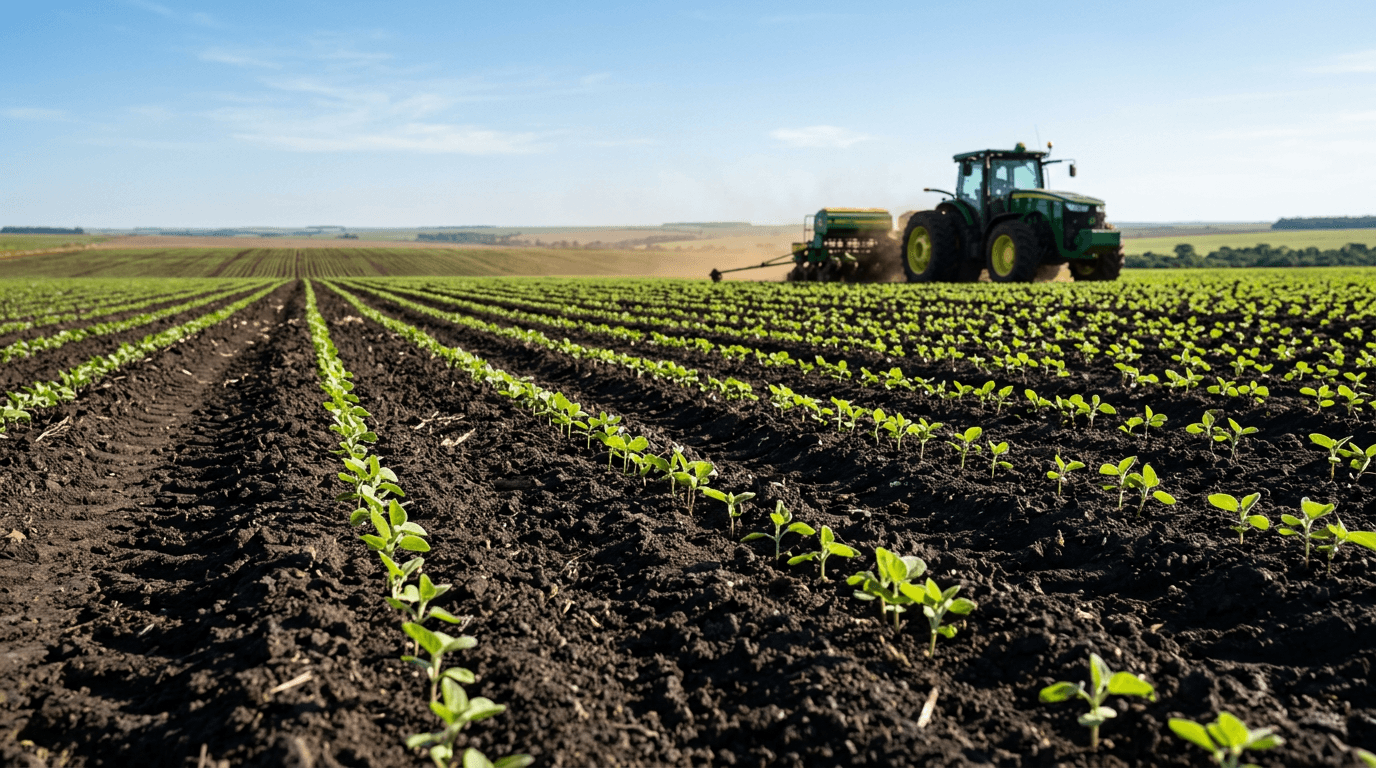
Speculative managers hold heavy long positions in CBOT soybean futures as Brazil's rapid planting progress and record crop projections signal a massive South American supply.
The yield spread between US Treasuries and Brazilian bonds remains at a wide 9.75 percentage points, driving capital flows and currency volatility.
American Airlines' newly finalized 8% equity stake in Brazilian carrier Azul faces dilution and volatility risks as the airline secures a $350 million state-backed loan to cover soaring jet fuel costs.
CFTC data shows non-commercial traders held a net-long position of 246,596 soybean contracts on October 20, 2026, amid shifting export demand and harvest delays.
Brazilian airline Azul has finalized a $510 million loan agreement with state development bank BNDES to boost post-bankruptcy liquidity and refinance debt.
The Brazilian real strengthened past 5.00 per dollar on October 23, 2026, boosting dollar-denominated returns for US investors as high local interest rates persist.
Brazil's Central Bank Resolution 575 allows eligible US exporters and multinational subsidiaries to hold direct US dollar accounts, bypassing costly conversions.
Banco Bradesco missed Q3 2026 earnings estimates as rising credit costs and a 4.6% delinquency rate offset the Brazilian lender's double-digit revenue growth.
The massive interest rate gap between the US and Brazil is holding steady at 9.75 percentage points, shaping the performance of the Brazil real and US-listed funds.
CFTC data shows non-commercial traders held a net-long position of 246,596 soybean contracts as of October 20, 2026, as markets monitor South American planting.
As Brazil's high-stakes presidential runoff looms, a surge in ETF options trading, tech ultimatums, and corporate debt extensions are keeping global investors on edge.
Options trading for the main U.S.-listed Brazil ETF reached 1.7 million contracts on October 22, 2026, as investors hedge against political risk.
The 9.75-percentage-point interest rate gap between Brazil and the Federal Reserve is keeping foreign capital anchored in the Brazilian real.
Grupo Casas Bahia has hired Camille Faria, the executive who steered Americanas through its historic bankruptcy, to manage its own $3 billion court-supervised restructuring.