
Tight Brazil Election Puts US-Listed Funds and ADRs on Edge
A neck-and-neck presidential runoff between Lula and Flávio Bolsonaro has Wall Street bracing for fiscal corrections in Brazilian assets.
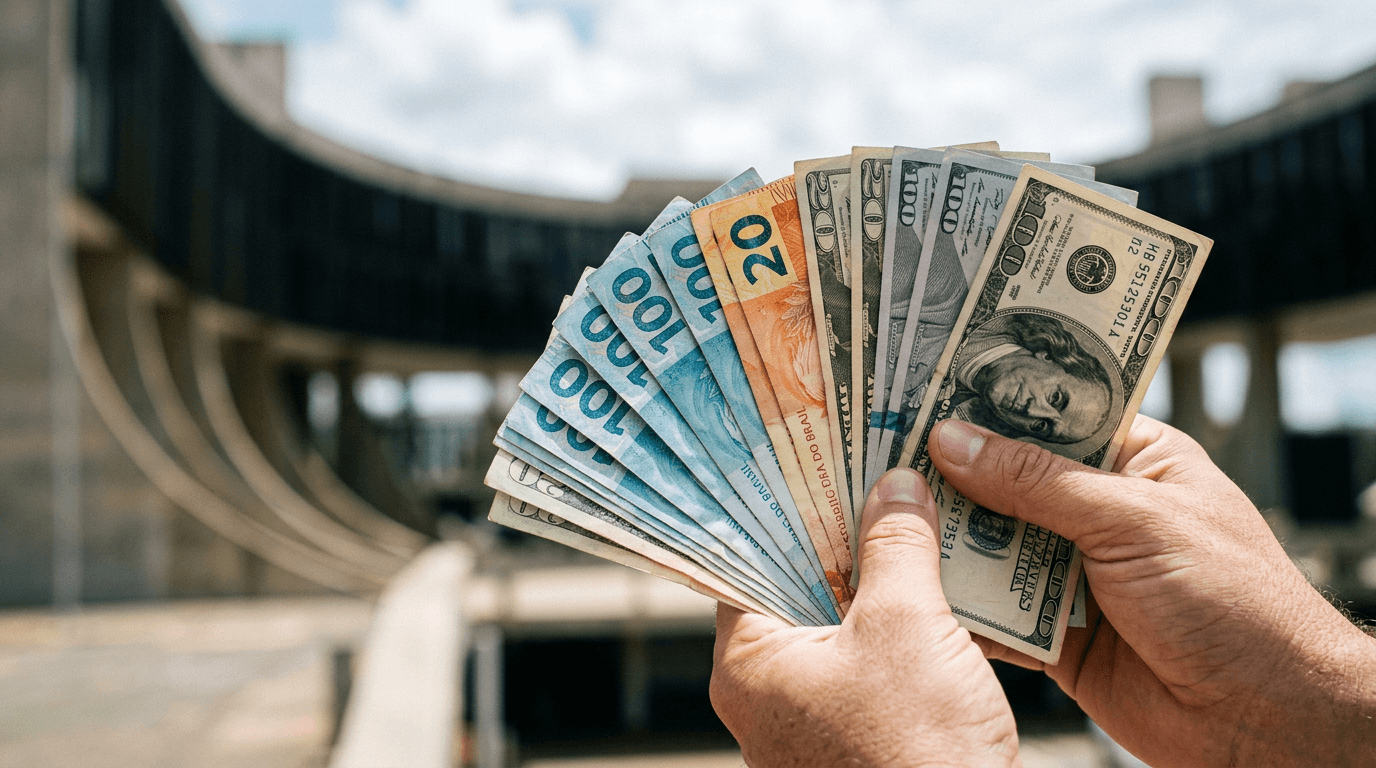
American retail investors holding broad emerging-market funds or Latin American equities are facing a weekend of high suspense. On Sunday, October 25, 2026, Brazil will hold a presidential runoff election that is expected to immediately impact the value of Brazilian assets traded on U.S. exchanges. Wall Street analysts are preparing for potential post-election market corrections as the country's tight federal budget leaves the incoming administration with virtually no room for fiscal error.
The race pits 80-year-old incumbent President Luiz Inácio Lula da Silva, of the left-wing Workers' Party, against 45-year-old Senator Flávio Bolsonaro, representing the right-wing Liberal Party. The challenger is the eldest son of former President Jair Bolsonaro, who was barred from public office and arrested in 2025. According to the final Datafolha poll published on October 23, 2026, the two candidates are tied at 50% of valid voting intentions, setting up a photo finish.
This tight runoff follows a major upset in the first round of voting on October 4, 2026, when Flávio Bolsonaro outperformed expectations to lead the field with 47.03% of the vote against Lula's 45.16%. That surprise right-wing surge triggered a sharp rally in Brazilian equities, as international markets anticipated a business-friendly legislative shift. Down-ballot races also heavily favored the right, giving Bolsonaro's Liberal Party the largest bench in both the Senate and the Chamber of Deputies starting next year.
Regardless of who wins on Sunday, the next president will face severe fiscal constraints. Lula has campaigned on maintaining robust social welfare programs, while Bolsonaro has pledged aggressive deregulation and tax cuts. However, because Brazil's rigid budget is heavily bound by constitutional spending limits, any attempt to bypass fiscal discipline could trigger a rapid sell-off in the local currency and US-listed depository receipts.
In your brokerage app
If you hold the iShares MSCI Brazil ETF, listed in New York, your portfolio is directly exposed to the outcome of Sunday's vote. This exchange-traded fund tracks the largest publicly traded companies in Brazil, making it highly sensitive to sudden shifts in the country's political and fiscal trajectory.