
American Airlines Face Volatility as Azul Leans on State Credit
American Airlines' newly finalized 8% equity stake in Brazilian carrier Azul faces dilution and volatility risks as the airline secures a $350 million state-backed loan to cover soaring jet fuel costs.
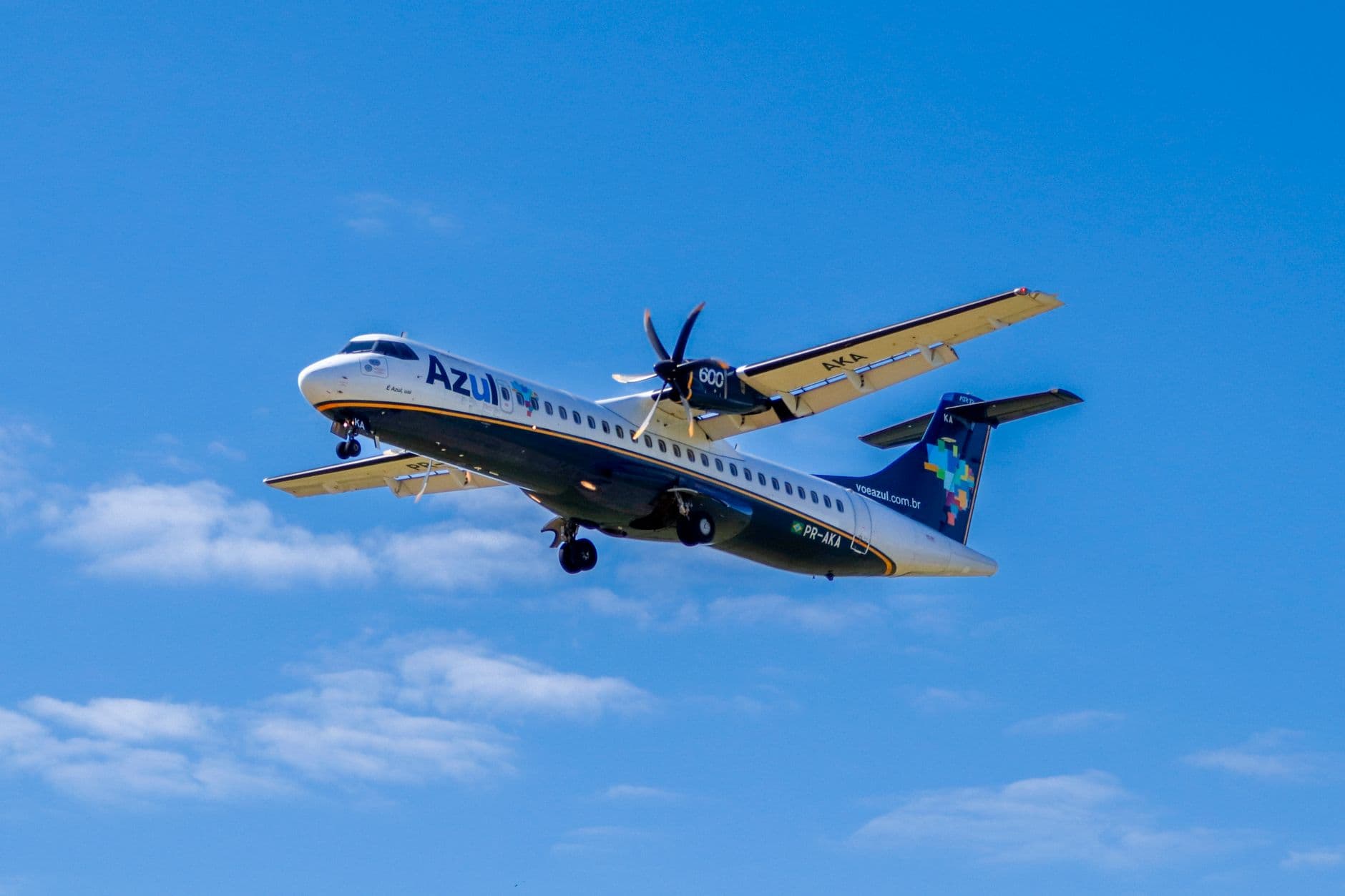
American Airlines Group Inc. recently finalized a $100 million investment to secure an 8% equity stake in Brazilian carrier Azul S.A.. However, retail investors holding the U.S. airline's shares are quickly getting a lesson in the complex, state-dependent nature of South American aviation.
On October 24, 2026, Azul disclosed in a regulatory filing that it has secured a credit facility of up to R$2 billion (approximately $350 million USD) to pay exclusively for domestic jet fuel. The loan is backed by Brazil's state-owned Export Guarantee Fund (FGE) and managed by the Brazilian Guarantees and Fund Management Agency (ABGF). This federal intervention highlights the persistent cash-burn pressures facing the carrier, even after its recent exit from bankruptcy.
This is the second time in less than a month that the Brazilian government has stepped in to prop up the airline's liquidity. On September 29, 2026, Azul drew down an initial R$1.3 billion ($228 million USD) from a separate R$2.66 billion credit line. That facility was funded by the National Civil Aviation Fund (FNAC) and disbursed via Brazil's state development bank, BNDES.
State-Backed Lifelines and Dilution Risks
For American Airlines, which finalized its investment on October 7, 2026, after receiving conditional approval from Brazil’s antitrust regulator, CADE, the heavy reliance on government-backed credit introduces structural volatility. While the credit lines provide Azul with crucial operational breathing room, the underlying pressure of soaring fuel costs and high leverage remains a threat to equity holders.
The political risk is also a key factor for foreign investors. Brazil’s government has actively used state apparatuses like BNDES and federal funds to shield domestic airlines from global macroeconomic shocks. However, these state-backed interventions often come with strict compliance terms, and any future debt restructurings or equity conversions could dilute the holdings of minority strategic partners like American Airlines and United Airlines, which also holds an 8% stake.
In your brokerage app
American Airlines Group Inc., listed in New York, holds an 8% equity stake in Azul S.A., which also trades directly on the New York Stock Exchange. Investors holding American Airlines or the U.S. Global Jets ETF, which tracks global airline equities including South American carriers, are directly exposed to the volatile operating environment and state-backed credit dependencies of the Brazilian aviation market.