
Why Brazil Interest Rate Pressures Squeeze New York-Listed Bradesco
Banco Bradesco reports a 24.3% surge in loan-loss provisions for Q3 2026 as high interest rates in Brazil pressure consumer and small business portfolios.
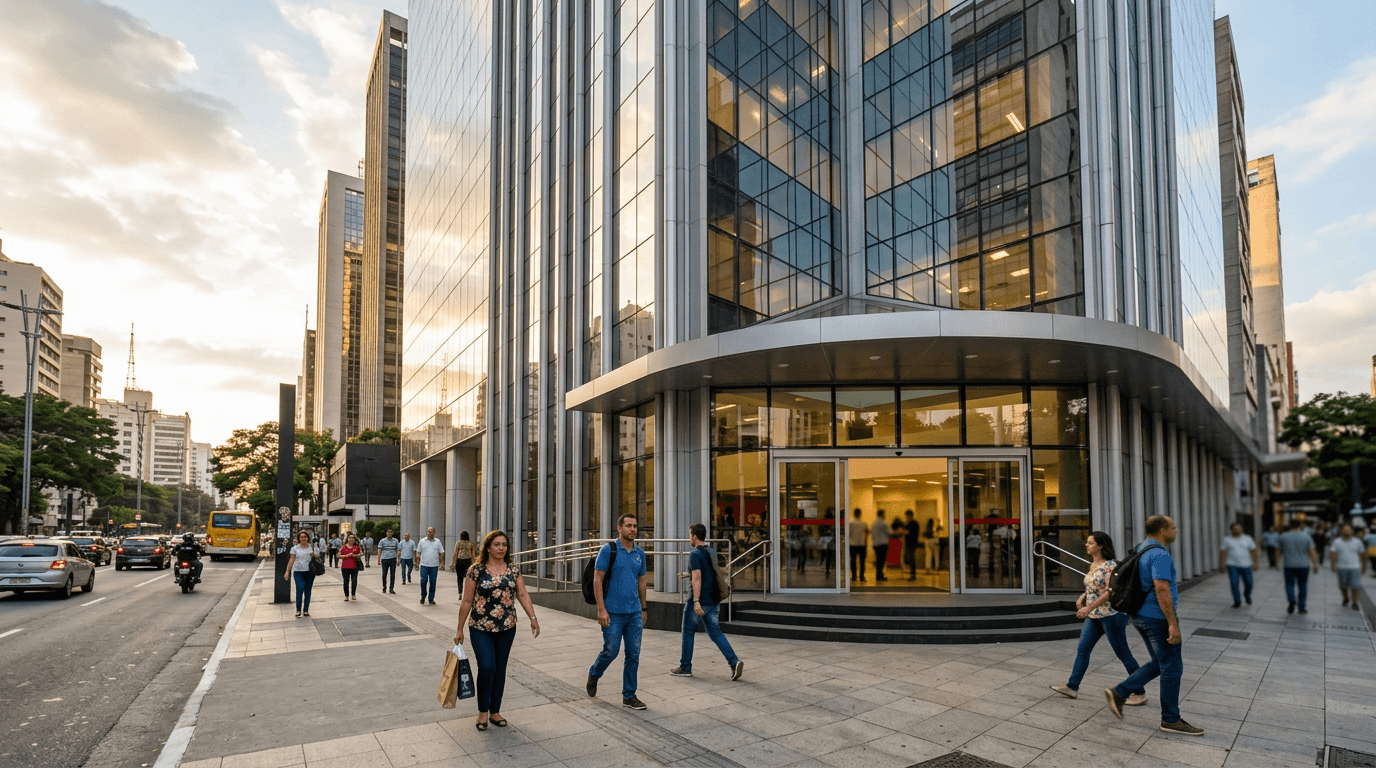
American retail investors holding international financial assets are getting a stark reminder of how stubborn borrowing costs abroad can quickly dent corporate profitability. On October 23, 2026, Banco Bradesco, one of Latin America's largest private-sector lenders, reported third-quarter financial results that highlighted the growing strain of high interest rates on household and corporate balance sheets.
The São Paulo-based financial giant reported Q3 2026 recurring net income of R$7.11 billion ($0.1309 per American Depositary Receipt), narrowly missing the $0.1328 consensus estimate compiled by analysts. To shield itself from rising defaults, Bradesco was forced to increase its loan-loss provisions by 24.3% year-over-year to R$10.642 billion (approximately $2.11 billion). The bank's over-90-day non-performing loan (NPL) ratio rose to 4.6% from 4.1% in the prior quarter, driven by severe pressure on micro, small, and medium-sized enterprises (MSMEs) and unsecured consumer portfolios.
The underlying culprit is the persistent reality of the Brazil interest rate. The Central Bank of Brazil has kept its benchmark Selic rate elevated to combat stubborn inflation, making Brazil one of the highest real interest rate environments in the world. While high interest rates can initially boost a bank's net interest margin, they eventually erode the repayment capacity of everyday borrowers. Bradesco Chief Executive Officer Marcelo Noronha noted during the earnings call that the bank is deliberately curbing its risk appetite, shifting its loan book toward safer, lower-yield secured products like payroll-deductible loans and mortgages to mitigate defaults.
This defensive posture is expected to cap the bank's credit-related revenue growth well into next year. Bradesco executives forecast that asset quality pressures and elevated credit costs will likely persist into mid-2027 as the broader macroeconomic backdrop remains challenging. For global investors, the results underscore why Brazil has high interest rates that act as a double-edged sword—offering lucrative yields on paper but squeezing the asset quality of the country's premier financial institutions.
In your brokerage app
Banco Bradesco is listed in New York as an American Depositary Receipt under the ticker BBD. It is also a major holding in broad-based emerging market funds, such as the iShares MSCI Brazil ETF (EWZ).