
Broad commodity funds track shifting soybean bets as harvest pressures peak
Speculative traders reduced their net-long soybean positions to 246,596 contracts as of October 20, 2026, balancing Midwest harvest supply against South American planting delays.
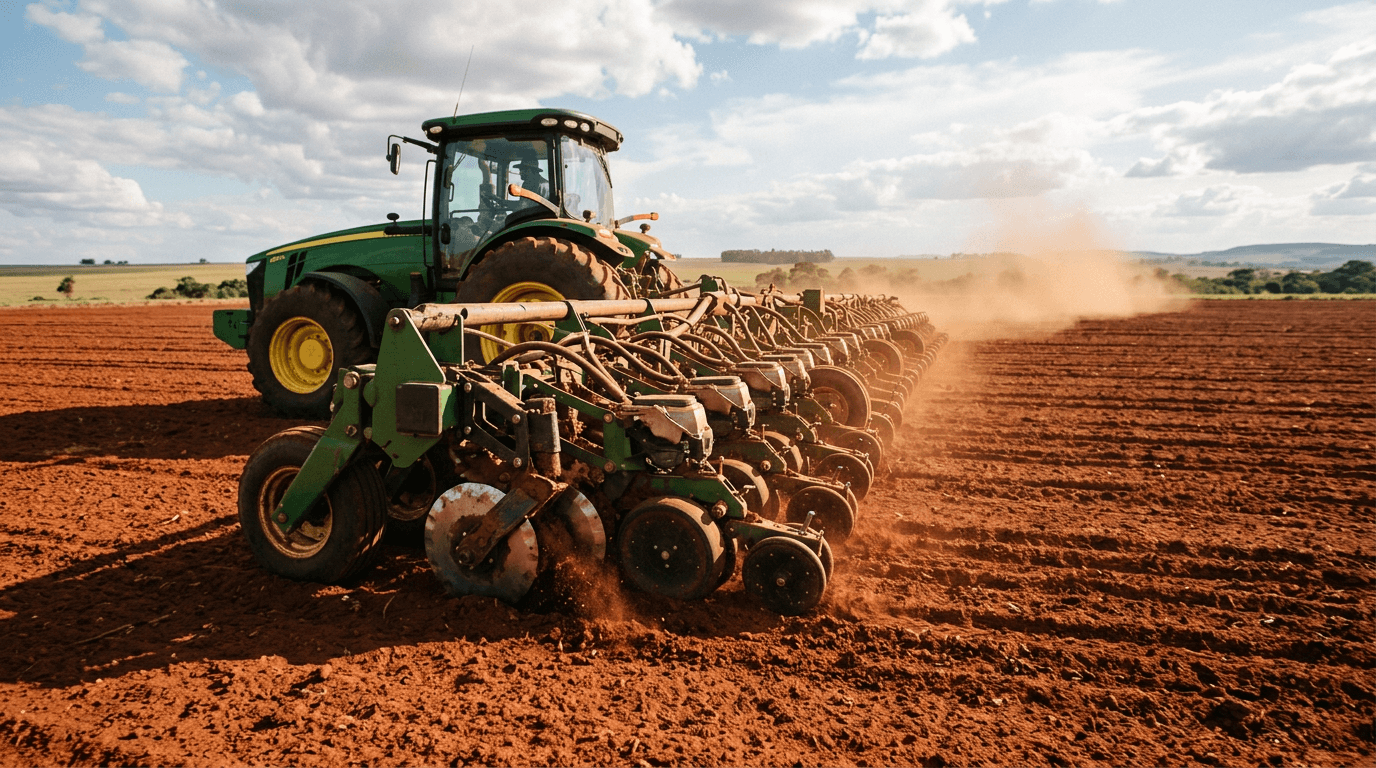
American retail investors holding diversified commodity exchange-traded funds or tracking broad agricultural indexes are seeing a classic seasonal tug-of-war play out on the Chicago Board of Trade. As the autumn harvest sweeps across the U.S. Midwest, bringing a heavy physical supply of grain to domestic silos, speculative financial managers are recalibrating their exposure to global food supplies.
According to the weekly Commitments of Traders report released by the U.S. Commodity Futures Trading Commission (CFTC) for the observation date of October 20, 2026, non-commercial speculative traders trimmed their bullish exposure in soybean futures (contract 005602). Non-commercial long positions stood at 330,528 contracts against 83,932 short positions, resulting in a net-long position of 246,596 contracts. Total open interest across the market was registered at 1,093,612 contracts.
While these weekly figures provide essential context on institutional market sentiment, commodity analysts emphasize that trader positioning represents a historical snapshot rather than a reliable price forecast. The fundamental driver behind these shifting speculative bets lies thousands of miles south in Brazil, the world's largest exporter of the oilseed. Brazilian farmers are currently in the middle of their 2026/27 planting campaign, which is being closely monitored by global agricultural trading desks.
The pace of Brazil's planting season directly dictates the global marginal price of soy, meaning any regional weather delays or logistical bottlenecks at the ports of Santos and Paranaguá quickly filter back into the pricing of U.S. grain-based products and livestock feed. According to Brazil's National Supply Company (Conab), the country's soybean planting area is projected to expand by just 1.4% to 49.3 million hectares for the 2026/27 cycle. This represents the slowest rate of acreage expansion in two decades, forcing international markets to rely more heavily on optimal weather and high yields to meet global demand.
For global investors, the combination of immediate U.S. harvest pressure and long-term South American production limits creates a complex corporate landscape. Large-scale farming operators in South America are navigating production costs that sit near decade highs due to elevated fertilizer prices and rigid borrowing costs, even as renewed buying from Chinese importers helps absorb the immediate North American harvest surplus.
In your brokerage app
For retail investors looking to gain exposure to South American agricultural land and production without trading complex futures contracts, Adecoagro S.A. is listed in New York. The company owns and operates a vast portfolio of farmland across Brazil and Argentina, producing soybeans, corn, and sugar. Diversified commodity exposure can also be accessed through broad agricultural funds like the Teucrium Soybean Fund, which tracks CBOT soybean futures.