
Emerging Market Funds Face Pressure as a Major Bank Warns on Bad Loans
Banco Bradesco posted a 14.6% profit surge for Q3 2026, but a sharp 24.3% spike in loan-loss provisions highlights rising credit risks in Brazil.
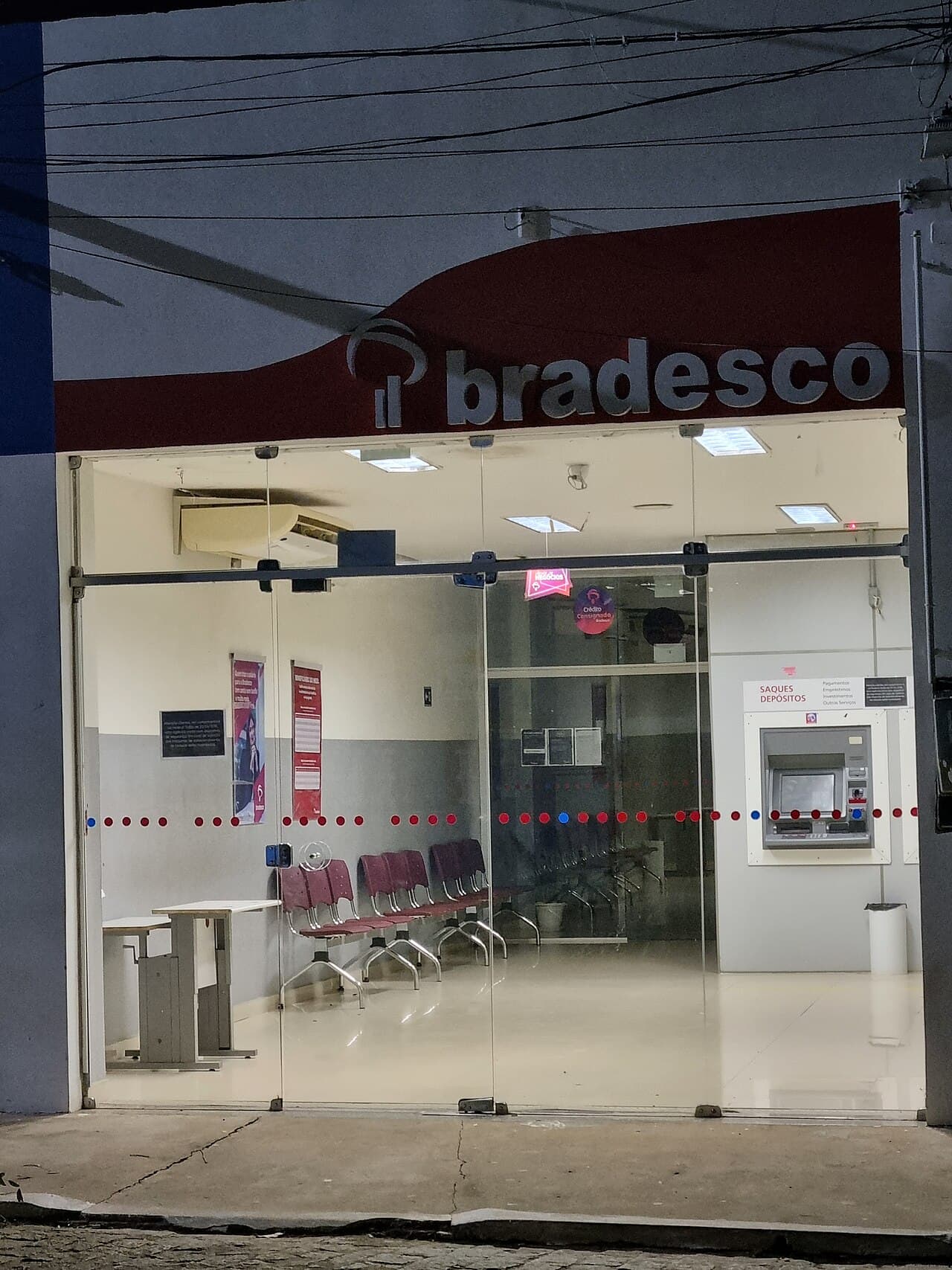
American retail investors holding diversified emerging market exchange-traded funds (ETFs) or direct foreign equities are getting a stark reminder of the credit risks lurking in international portfolios. While global markets have focused on central bank interest rate cuts, the underlying health of consumer and business credit in major developing economies is showing visible signs of strain.
On October 22, 2026, Banco Bradesco—one of Brazil's largest private-sector financial institutions—reported a recurring net profit of R$7.11 billion ($1.41 billion) for the third quarter of 2026. While that 14.6% year-over-year profit surge met consensus analyst expectations, it was immediately countered by a sharp 24.3% annual spike in the bank's expanded loan-loss provision expenses, which climbed to R$10.642 billion.
The sudden increase in cash set aside for bad debt highlights the ongoing challenges within the brazil banking system. According to Bradesco's earnings report, the primary drivers of the credit deterioration were micro, small, and medium-sized enterprises (MSMEs) seeking working capital, alongside seasonal delinquency pressures in its agricultural lending portfolio. Overdue loans of more than 90 days rose to 4.6% of the bank's total portfolio, up from 4.1% during the same period last year.
This credit tightening is unfolding against a complex political and economic backdrop in Brazil. The country's central bank, Banco Central do Brasil, has maintained high real interest rates to combat persistent inflation, which directly squeezes the disposable income of households and small businesses. For international investors, this restrictive monetary policy acts as a double-edged sword: it bolsters the net interest margins of major banks, but eventually triggers a rise in non-performing loans.
To mitigate these risks, Bradesco's chief executive officer, Marcelo Noronha, stated during the October 23, 2026, earnings call that the bank is maintaining a highly cautious risk appetite. The lender is actively scaling back its exposure to unsecured personal loans and credit cards, redirecting its credit expansion toward safer, collateral-backed products like payroll-deductible loans and real estate financing.
In your brokerage app
Investors holding the iShares MSCI Brazil ETF (EWZ) or the Vanguard FTSE Emerging Markets ETF (VWO) have direct exposure to this shifting credit landscape, as Brazilian financial institutions represent a major weight in these funds. For those holding individual equities, Banco Bradesco S.A. is listed in New York as an American Depositary Receipt under the ticker BBD.