
Banco Bradesco Shares Face Pressure as Delinquencies Rise to 4.6%
Banco Bradesco missed Q3 2026 earnings estimates as rising credit costs and a 4.6% delinquency rate offset the Brazilian lender's double-digit revenue growth.
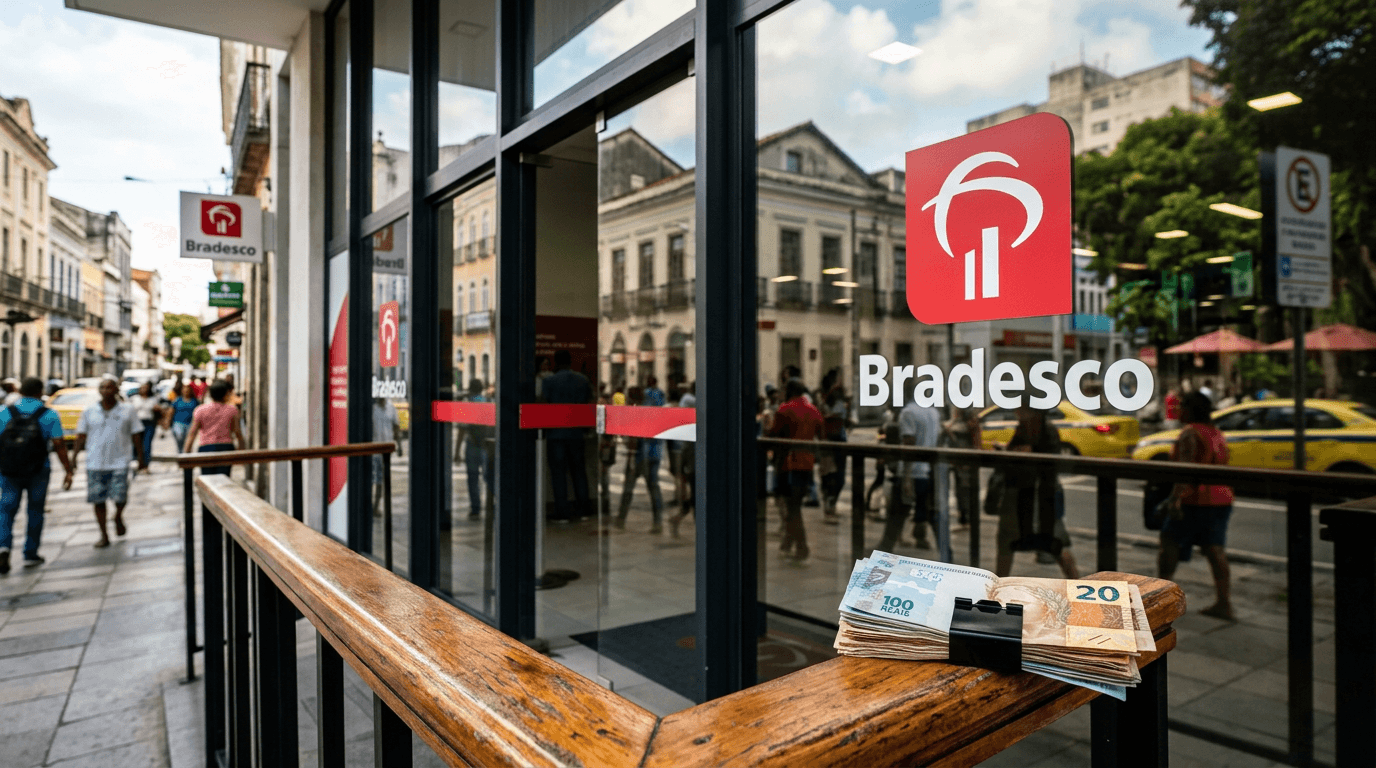
U.S. retail investors holding international financial stocks are seeing their returns pressured by a deteriorating credit landscape in Latin America's largest economy. On October 23, 2026, major Brazilian lender Banco Bradesco reported third-quarter earnings per share of $0.1309, missing the consensus analyst estimate of $0.1328. While the bank managed to deliver double-digit revenue growth, the bottom-line miss highlights how rising credit costs are eating into margins.
The main drag on the bank's profitability is a clear weakening in consumer credit quality. Banco Bradesco's over-90-day delinquency ratio climbed to 4.6% in September 2026, up from 4.1% in the same period last year. To brace for potential defaults, the bank was forced to ramp up its expanded loan-loss provision expenses by 24.3% year-over-year, reaching R$10.6 billion.
This credit deterioration reflects broader macroeconomic pressures within Brazil, where households continue to struggle under the weight of high interest rates and elevated debt-service ratios. Banco Bradesco's Chief Executive Officer, Marcelo de Noronha, noted during the October 23, 2026, earnings call that a challenging macro backdrop has forced the bank to maintain a highly selective and moderate risk appetite. In response, the institution is shifting its focus away from riskier, unsecured personal loans and toward collateralized products, such as private payroll loans and vehicle financing.
Despite the earnings miss, the bank's underlying commercial engine showed resilience. Total revenue reached $7.66 billion for the quarter, beating the $7.47 billion consensus estimate as the bank's total loan portfolio expanded by 11.1% year-over-year to R$1.15 trillion. Furthermore, the bank completed a R$10 billion capital increase in October 2026, which bolstered its Common Equity Tier 1 (CET1) capital ratio to 12.1%, providing a solid buffer against ongoing credit volatility.
Whether Banco Bradesco can successfully outrun its rising delinquency rates depends heavily on the trajectory of Brazil's central bank monetary policy. If persistent inflation forces local policymakers to keep interest rates elevated, credit provisions will likely remain a persistent headwind for the bank's bottom line well into 2027.
In your brokerage app
Banco Bradesco S.A. is listed in New York as an American Depositary Receipt under the ticker BBD. For investors seeking diversified exposure to the broader Brazilian financial sector, the bank is also a major holding in the iShares MSCI Brazil ETF, an exchange-traded fund that tracks large and mid-sized companies in Brazil.