Lula Reform Bills Delayed Until Post-Election Amid Senate Gridlock
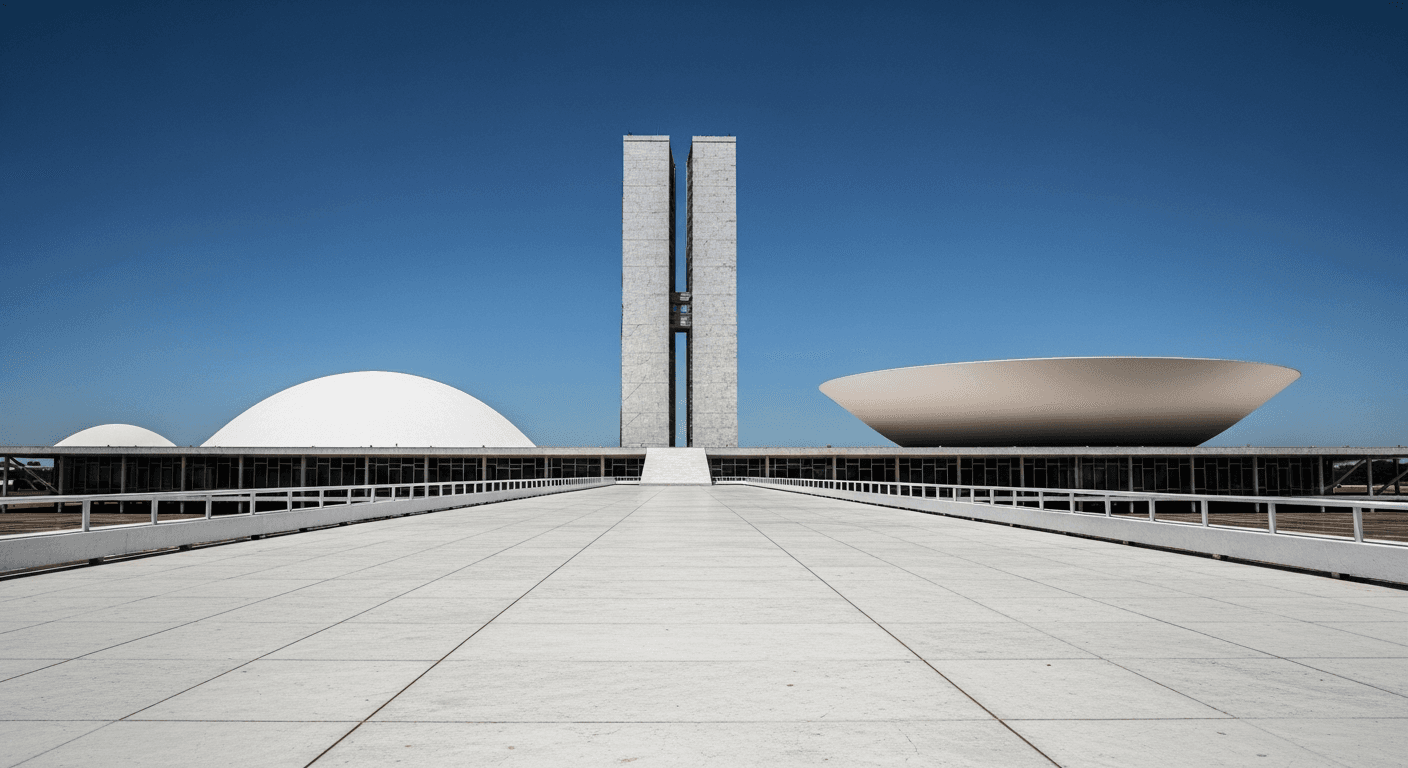
The Lula administration faces legislative delays on key bills, including the PEC 6x1, as Senate gridlock and election campaigns stall the congressional agenda.


The Lula administration faces legislative delays on key bills, including the PEC 6x1, as Senate gridlock and election campaigns stall the congressional agenda.
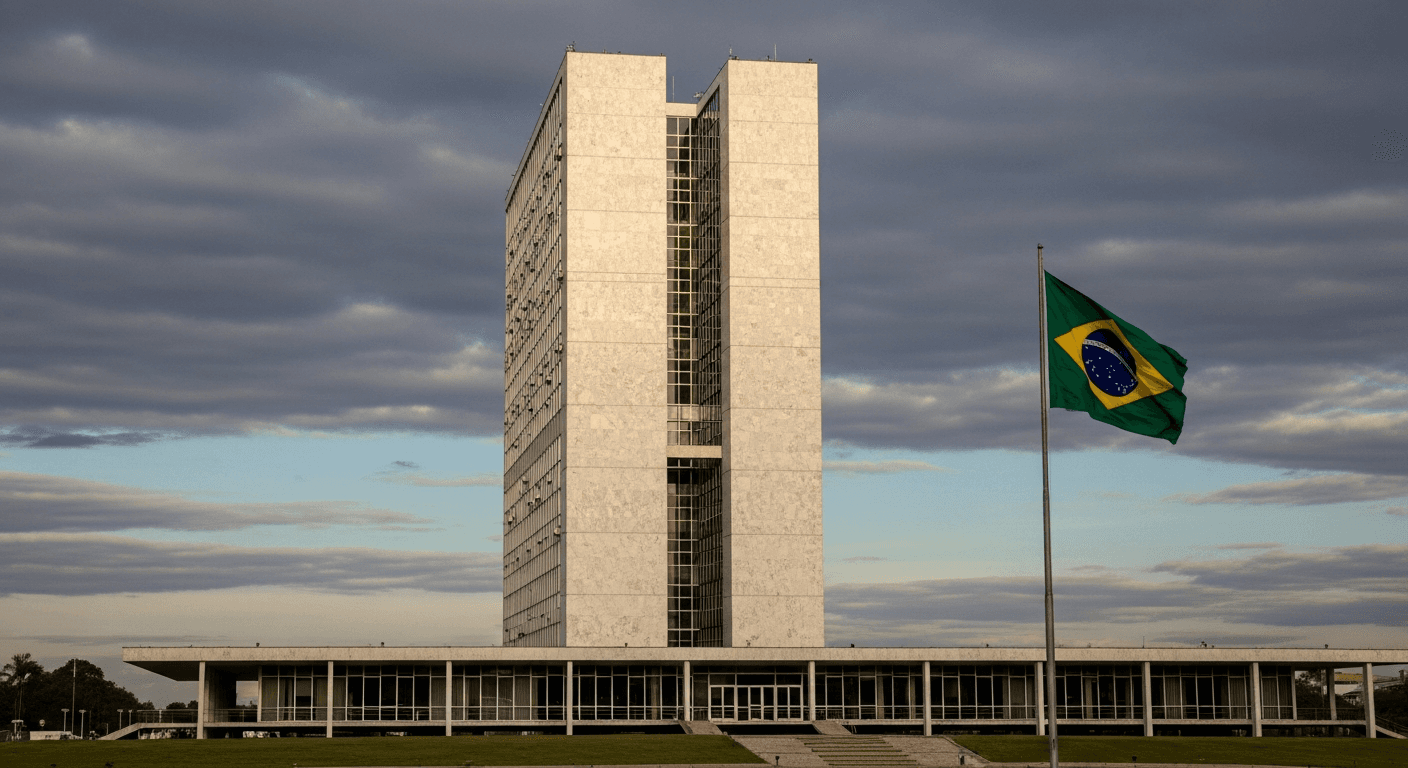
The Brazilian Congress has overridden a presidential veto on the Environmental Licensing Bill, easing regulatory hurdles for major infrastructure and agribusiness projects.
Support for Lula's agenda in the Senate plummeted from 75% to 38.5%, elevating political risk and threatening fiscal reforms.
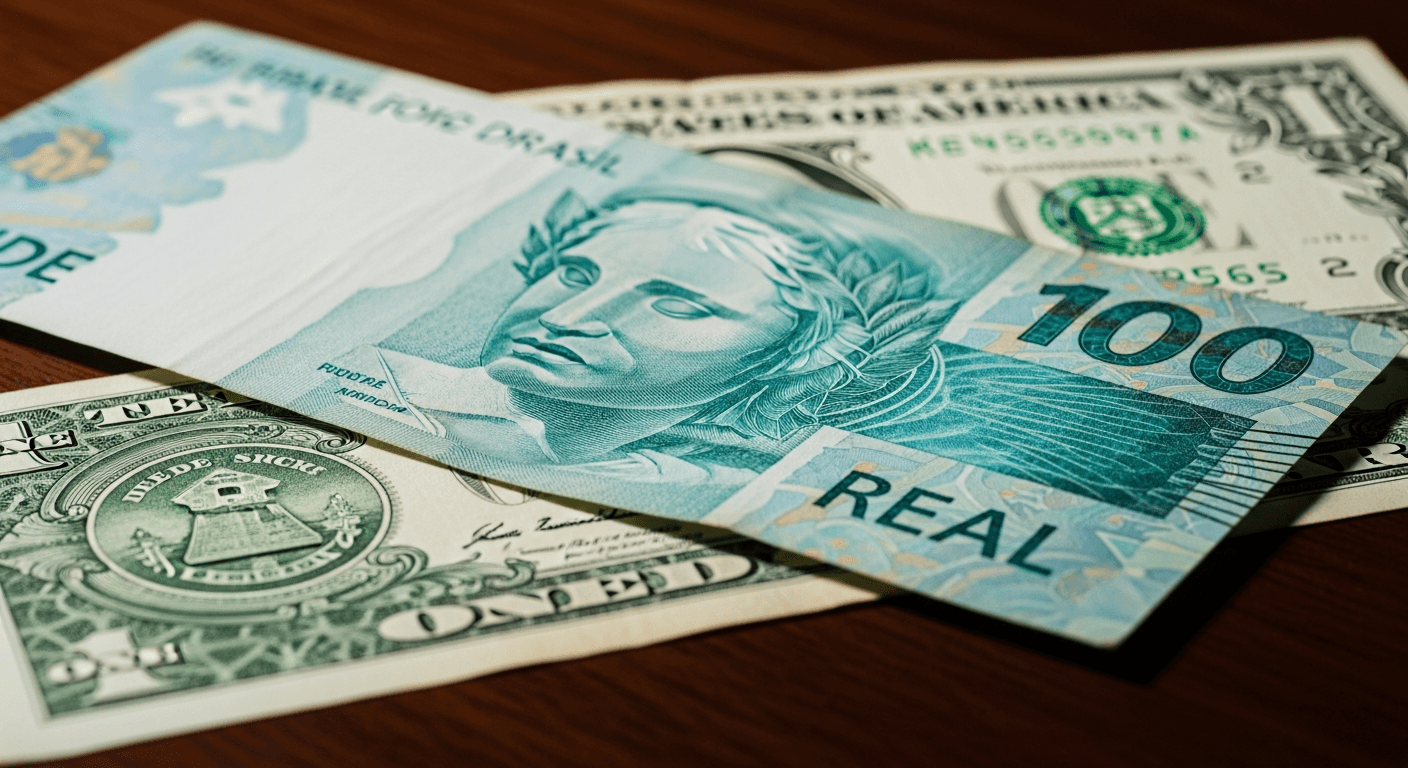
President Lula's Senate support fell from 75% to 38.5%, raising political risks for Brazil's fiscal reforms and weighing on the Ibovespa and Brazilian real.
President Lula’s Senate support fell from 75% to 38.5%, jeopardizing the fiscal framework after Congress blocked a R$10B tax and advanced R$111B 'fiscal bombs'.
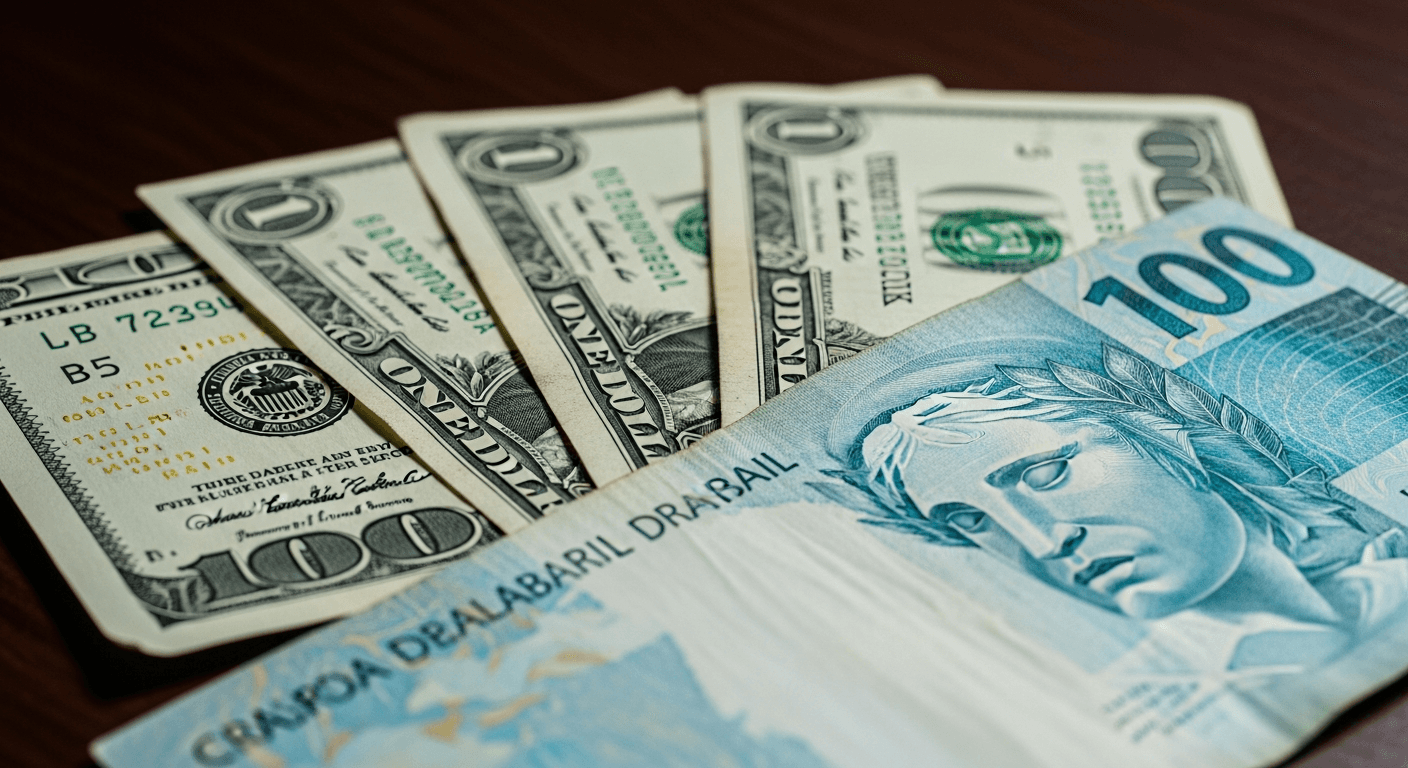
Brazil formally challenges a US tariff hike of up to 37.5% at the WTO, escalating trade tensions and driving volatility for USD/BRL and B3 stocks.
Brazil challenges new U.S. Section 301 tariffs of up to 37.5% at the WTO, raising risks for trade-exposed B3 stocks and the Brazilian real.
Brazil's Senate support for President Lula's priority bills has plummeted to 38.5%, fueling investor concern over fiscal gridlock and USD/BRL volatility.
Brazil formally filed a consultation request with the WTO to challenge cumulative US tariffs of up to 37.5% under Section 301.
Brazil has formally initiated a WTO dispute against the US over new Section 301 tariffs, introducing trade uncertainty for Brazilian real and equity markets.
New July polls show President Lula and Senator Flávio Bolsonaro in a technical tie for the 2026 race, sustaining high political uncertainty.
Brazil and South Korea agreed to fast-track the Mercosul trade deal, signaling new market access for Brazilian agribusiness and critical minerals.
Senator Flávio Bolsonaro testified before the Federal Police today in a high-stakes calumny inquiry against President Lula, escalating political risk ahead of the 2026 election.
A Quaest/Genial poll in Rio de Janeiro shows Flávio Bolsonaro with 38% to Lula’s 35% in a run-off, highlighting deep political division.
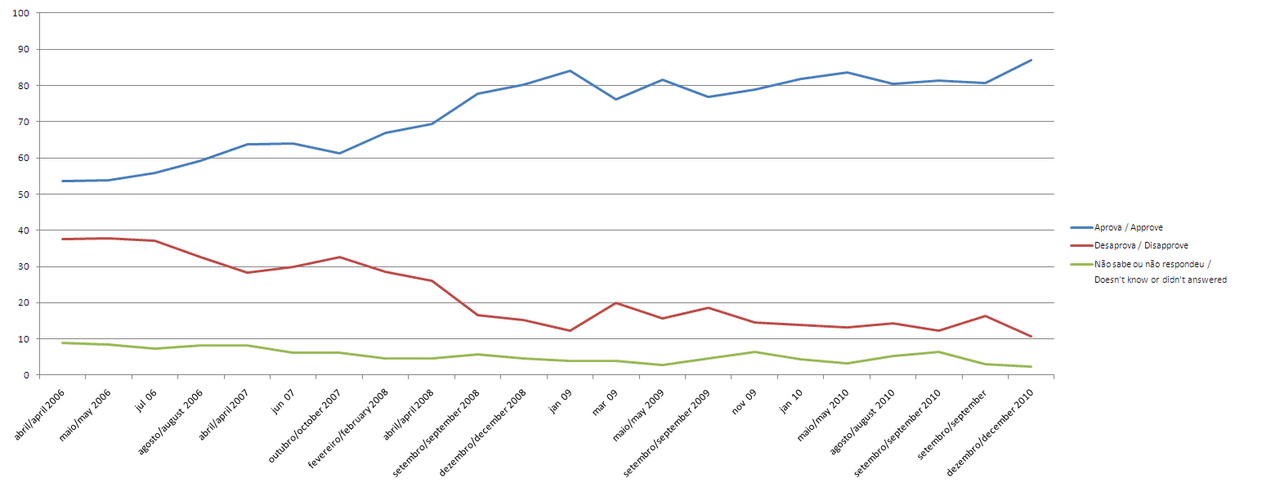
President Lula's disapproval reached 49% against 47% approval in the latest BTG/Nexus poll, indicating political headwinds for crucial fiscal reform.
Brazil's diplomatic break with Argentina over President Milei's political intervention creates new risk for the Mercosul trade bloc.
President Lula and Xi Jinping agreed to fast-track a China-Mercosul agreement days after the US hit Brazilian goods with a 25% Section 301 tariff.
New poll showing 49% disapproval for Lula and a technical tie against Flávio Bolsonaro heightens political risk for fiscal measures.
Lula and Xi agreed to speed up Mercosul-China trade negotiations, formalizing Brazil's pivot toward Asia after the US imposed 25% tariffs.
Brazil's Lula and China's Xi agreed to accelerate Mercosul-China trade talks, prioritizing minerals and fertilizer after new U.S. tariffs.
Brasília unfroze R$5.7B from the 2024 budget after a cut in mandatory spending projections, improving the primary balance forecast and signaling fiscal adherence.
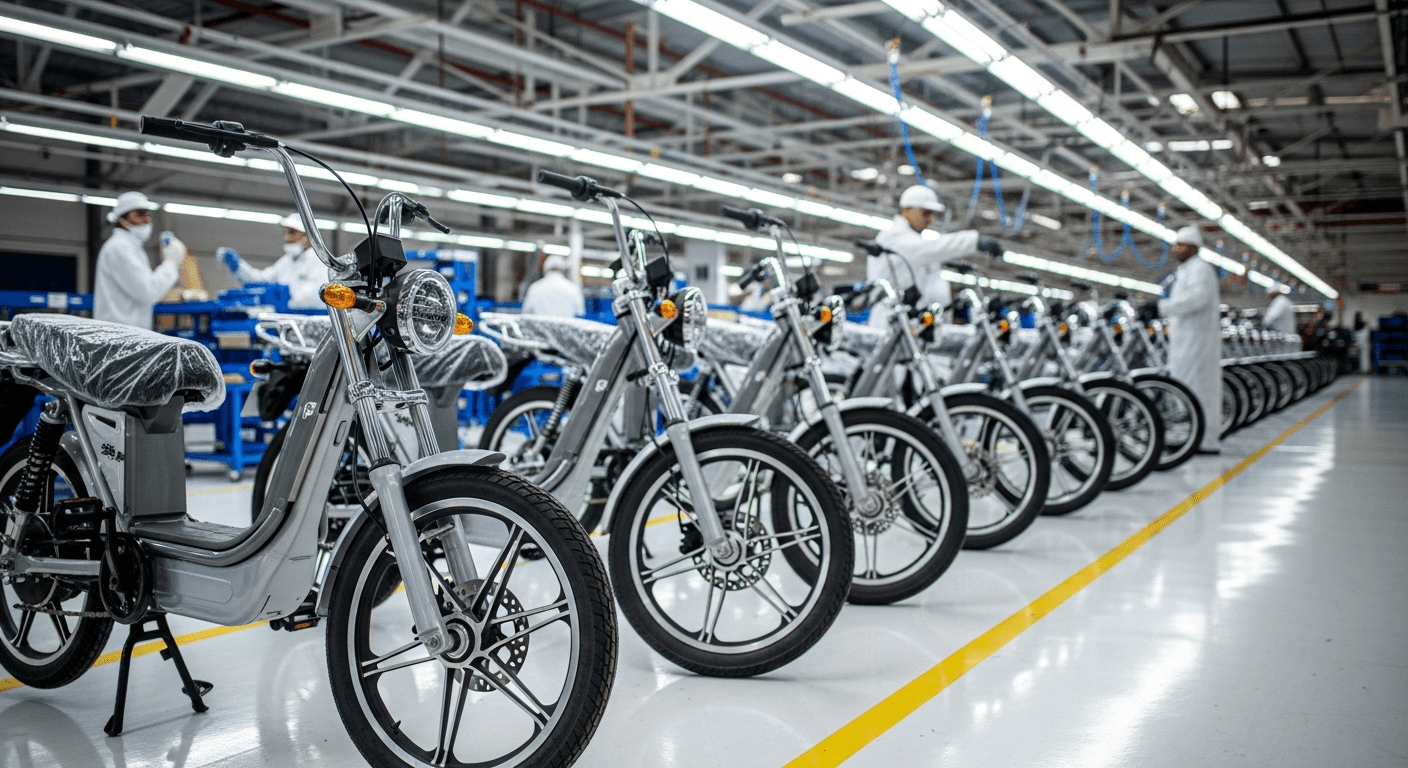
Federal government starts a subsidized credit line operated by Caixa for app delivery workers to purchase up to 100,000 national motorcycles.
Brazil's government launched the R$2.5B 'Move Brasil' program, offering deeply subsidized loans for up to 100,000 units to gig workers.
Genial/Quaest polls show Eduardo Paes and Sergio Moro with large leads in Rio de Janeiro and Paraná, signaling regional political stability.
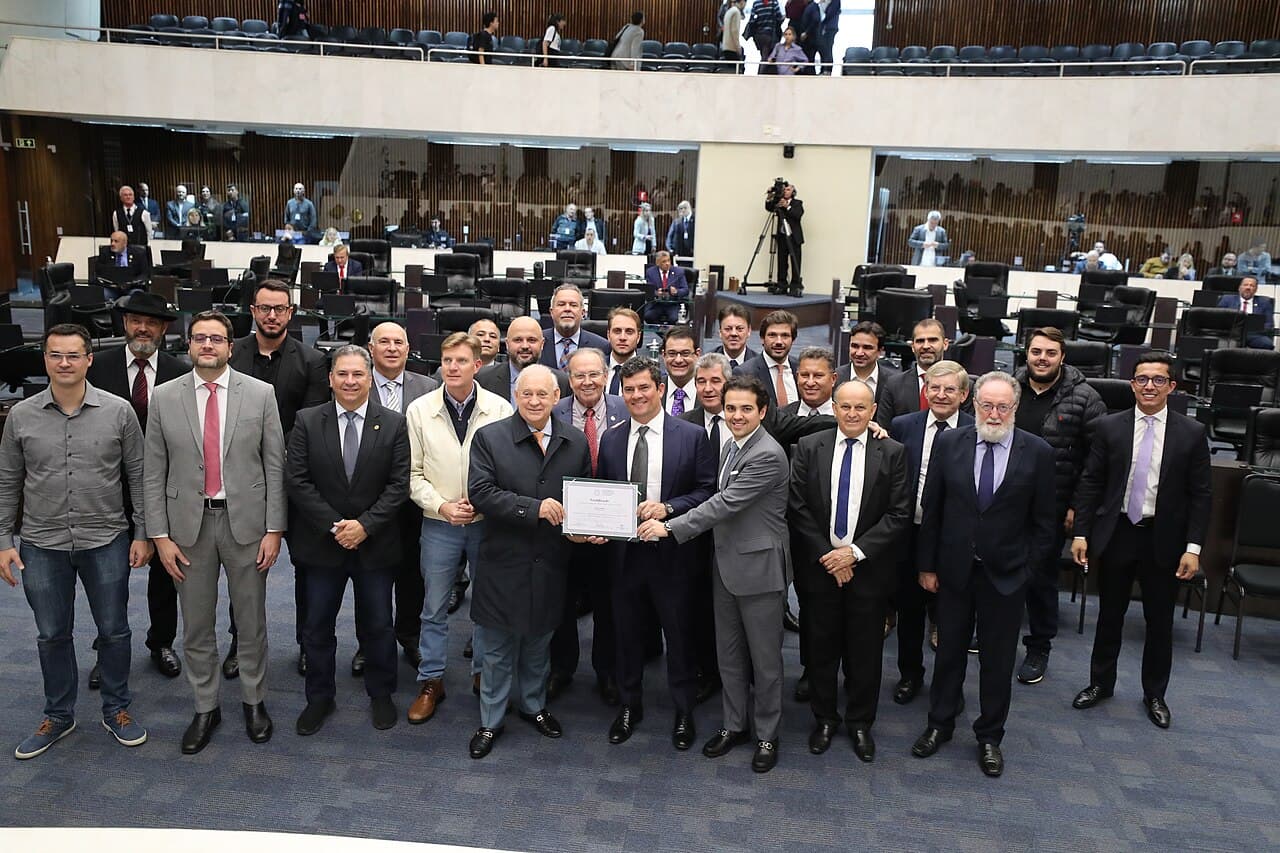
Strong polling for Senator Sergio Moro in Paraná's gubernatorial race signals persistent national political polarization, a key driver of volatility for USD/BRL and Ibovespa.
Senator Sergio Moro's 21-point lead in the Paraná governor race reduces political risk for the state, ensuring continuity for its largest former SOE, Copel.
Brazil's 'Move Brasil' program channels R$2.5 billion in subsidized credit via state banks to finance small vehicles, aiming to stimulate domestic manufacturing and boost the B3 Small Cap Index ecosystem.
Brazil and South Korea shift trade focus to critical minerals, chips, and Mercosur FTA in a bid to diversify from US trade friction.
Brazil's official candidate nomination window has opened, signaling a period of intense political polarization and fiscal uncertainty for global investors.
New 25% US tariffs on Brazilian goods trigger market volatility, putting the spotlight on B3 stocks, the USD BRL exchange rate, and the EWZ ETF.