
Brazil Files WTO Complaint Against New US Tariffs
Brazil formally filed a consultation request with the WTO to challenge cumulative US tariffs of up to 37.5% under Section 301.
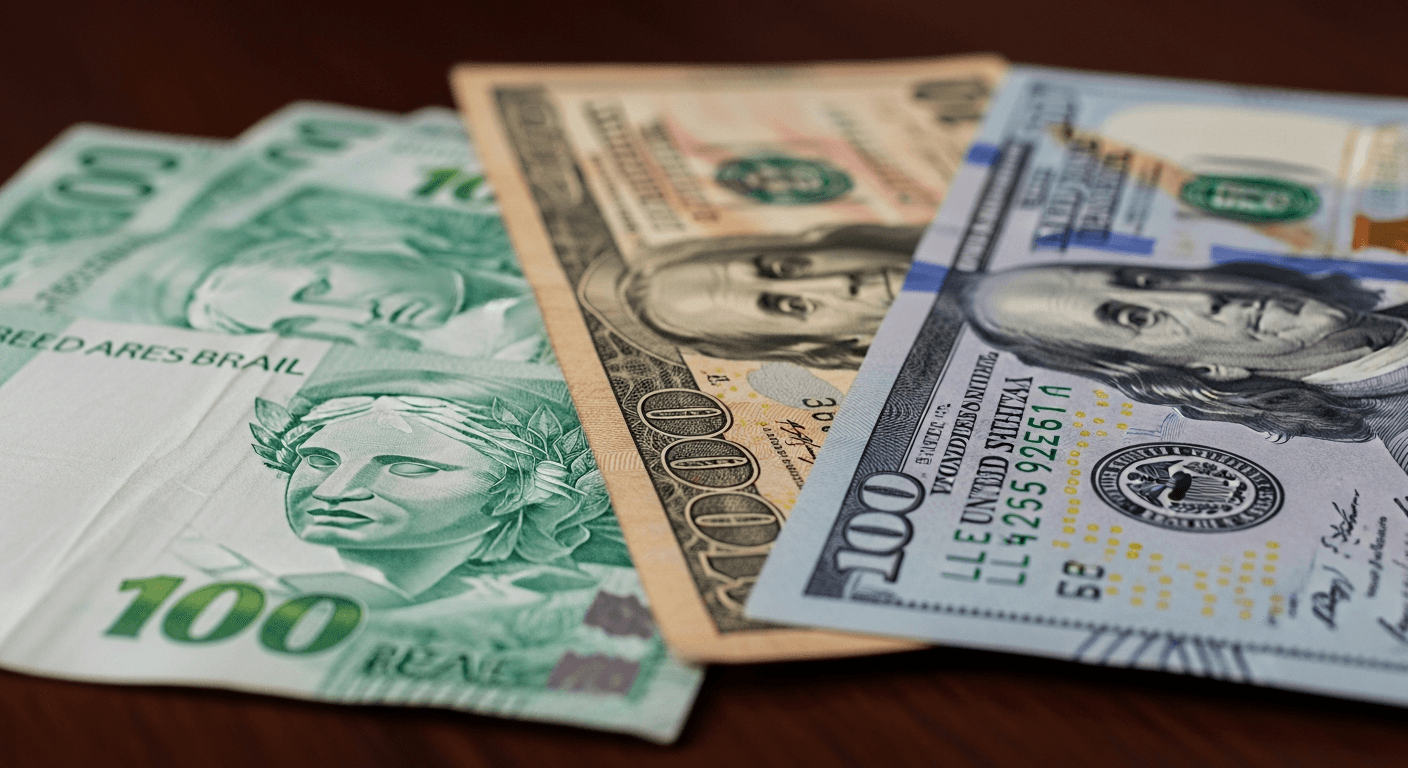
Brazil has formally filed a consultation request with the World Trade Organization (WTO) to challenge new U.S. tariffs imposed under Section 301 of the Trade Act of 1974. The legal action, submitted on July 27, 2026, serves as the preliminary step in a multi-stage dispute settlement process. Brasília’s petition targets two separate U.S. tariff measures: a 25% duty implemented on July 22 for alleged unfair trade practices, and a subsequent 12.5% tariff effective July 24 over forced-labor allegations. Combined, these measures impose a cumulative 37.5% duty on affected Brazilian products, which the Brazilian Foreign Ministry denounced as "unjustified and incompatible" with international trade rules.
The escalating trade friction directly threatens export-focused B3 stocks and companies with heavy exposure to the U.S. market. The Office of the U.S. Trade Representative (USTR) designed the tariffs to impact approximately 16.5% of Brazilian exports to the United States, primarily targeting machinery, electrical equipment, footwear, apparel, and non-pharmaceutical chemicals. While key commodities like beef, coffee, and orange juice remain exempt, industrial and manufacturing sectors face compressed margins as the cumulative 37.5% tariff barrier takes effect. This regulatory headwind is expected to disrupt supply chains and alter corporate earnings profiles for major exporters.
The currency and equity markets are closely monitoring the geopolitical standoff. In foreign exchange markets, the Brazilian real forecast remains highly sensitive to trade flows, with the USD BRL trading at 5.0918 following the announcement. On the local exchange, the benchmark Ibovespa today hovered at 175,334.45 as investors weighed the trade dispute against domestic macroeconomic indicators. Meanwhile, the broad-based Brazil ETF (EWZ) and major Brazilian ADRs traded on U.S. exchanges are experiencing heightened volatility as global asset managers assess the systemic risks of a prolonged trade dispute between the two largest economies in the Americas.
Looking ahead, market participants are shifting their focus to how these trade tensions might influence domestic monetary policy. With the local inflation IPCA at 4.64% and the Copom decision keeping the benchmark Brazil interest rates Selic at 14.25%, any prolonged drag on export revenue could complicate the central bank's efforts to stabilize the economy. Investors will watch for the formal U.S. response to the WTO consultation request over the next 60 days, alongside any potential retaliatory measures implemented under Brazil's Economic Reciprocity Law, which could expand the dispute to U.S. exporters.
Related coverage
Politics · PRO
Brazil Supreme Court Moves to Impose Binding Fiscal Discipline on All Government Spending
Published
Politics · PRO
Brazil’s PPSA Schedules First Auction to Break Petrobras Gas Monopoly, Targeting 50% Price Cut for Industry
Published
Politics · PRO
Brazil’s Election Defined by Stark Fiscal Divide Over High Debt and 13.75% Interest Rate
Published