
Brazil Election Nominations Begin, Fueling Market Volatility
Brazil's official candidate nomination window has opened, signaling a period of intense political polarization and fiscal uncertainty for global investors.
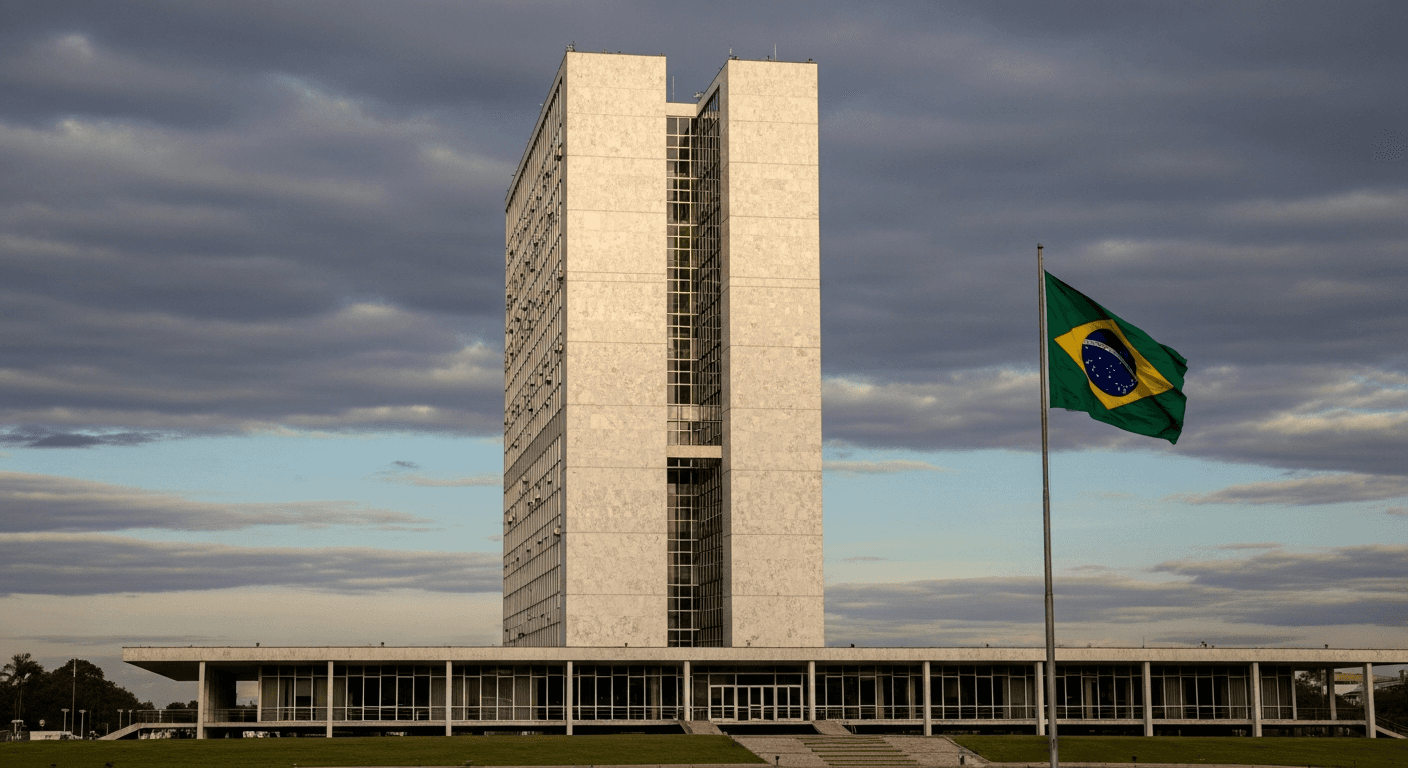
The official start of candidate nominations for Brazil’s October general election has triggered a fresh wave of political volatility and fiscal uncertainty across Latin America's largest economy. On July 20, 2026, the Superior Electoral Court (TSE) opened the legal window for political parties to host conventions and formalize their coalitions, establishing a strict deadline of August 5, 2026, to finalize nominations. The first round of voting is scheduled for October 4, 2026.
This election cycle is marked by deep polarization. Incumbent leftist President Luiz Inácio Lula da Silva is seeking a fourth term, while the far-right is rallied behind Senator Flávio Bolsonaro of the Liberal Party (PL). Running as a proxy for his father, former President Jair Bolsonaro—who is currently imprisoned and ineligible—Flávio Bolsonaro has already intensified political friction by declaring he will pardon his father if elected. With official campaign advertising set to begin next month, analysts expect heightened rhetoric that could shift fiscal policy expectations and pressure local assets.
For global investors tracking the Brazil ETF (EWZ) and major Brazilian ADR tickers like Petrobras (PBR), Vale (VALE), and Itaú Unibanco (ITUB), the political noise comes at a delicate macroeconomic juncture. The local benchmark index, the Ibovespa today, traded at 174,962.44, while the Brazilian real (USD/BRL) hovered at 5.0741. Market participants are closely watching how the upcoming campaign promises will affect the fiscal deficit, which directly impacts the Central Bank of Brazil's Copom decision on the Selic benchmark interest rate, currently set at 14.25%. With Brazil inflation IPCA running at 4.64% over the last 12 months, any signs of fiscal slippage from the candidates could force policymakers to keep interest rates elevated for longer, keeping pressure on B3 stocks.
Related coverage
Politics · PRO
Brazil Supreme Court Moves to Impose Binding Fiscal Discipline on All Government Spending
Published
Politics · PRO
Brazil’s PPSA Schedules First Auction to Break Petrobras Gas Monopoly, Targeting 50% Price Cut for Industry
Published
Politics · PRO
Brazil’s Election Defined by Stark Fiscal Divide Over High Debt and 13.75% Interest Rate
Published