
Lula Reform Bills Delayed Until Post-Election Amid Senate Gridlock
The Lula administration faces legislative delays on key bills, including the PEC 6x1, as Senate gridlock and election campaigns stall the congressional agenda.
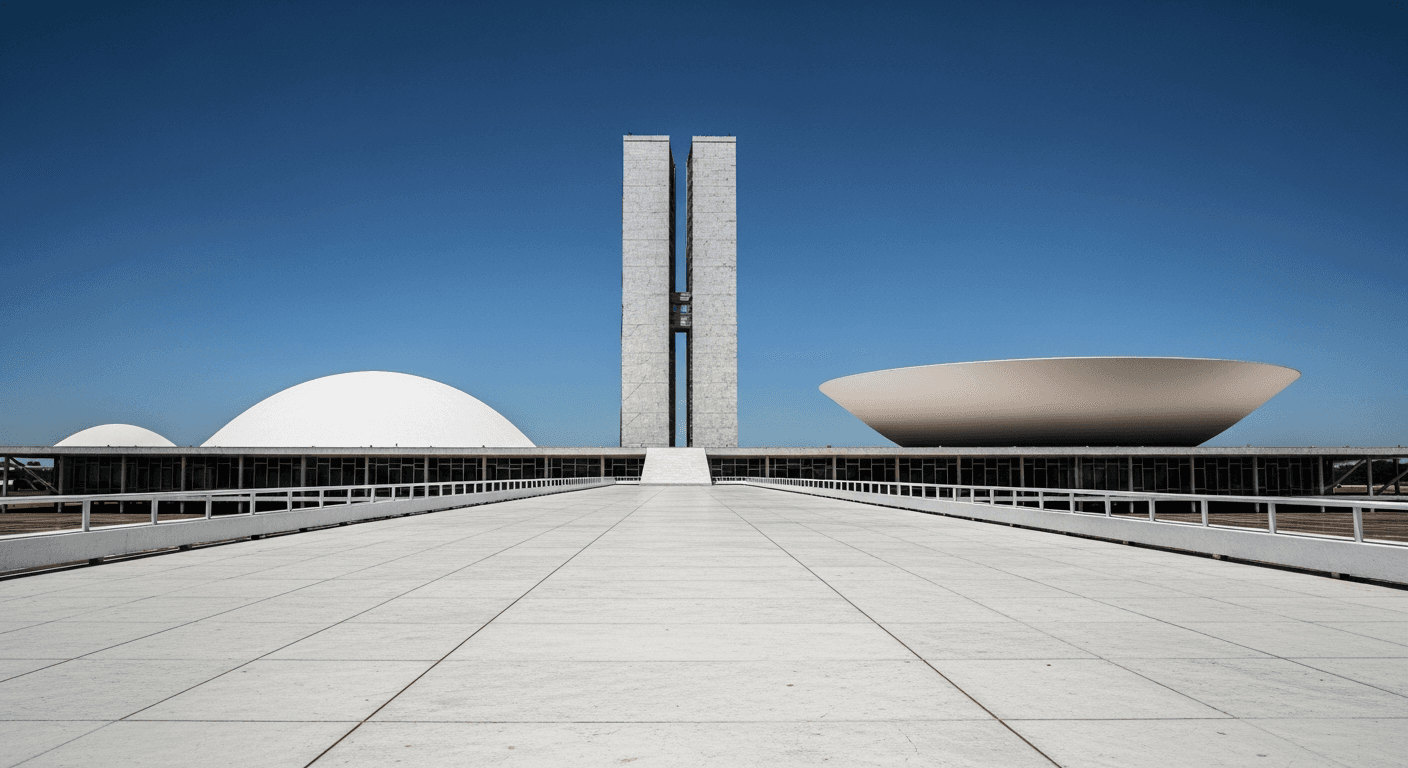
The administration of President Luiz Inácio Lula da Silva has signaled that votes on key legislative proposals, including the high-profile Proposta de Emenda à Constituição (PEC) 6x1 to end the six-day work schedule, will be postponed until after the October elections. The delay is primarily driven by the "emptying out" of Congress as lawmakers pivot to municipal election campaigns, alongside a deeply strained relationship between President Lula and Senate President Davi Alcolumbre (União Brasil-AP).
This legislative paralysis directly impacts the Brazil stock market today, as foreign and domestic investors closely monitor the country's fiscal discipline and reform trajectory. Delays on critical structural reforms signal legislative weakness for the executive branch, raising concerns over the government's ability to pass revenue-mobilizing measures or control public spending. Consequently, the gridlock complicates the macroeconomic outlook, keeping pressure on the Brazilian real forecast and the USD BRL currency pair, which hovered near 5.09 in recent trading.
Market participants are reacting to the political bottleneck by pricing in a higher risk premium for B3 stocks and Brazilian ADRs, such as Petrobras (PBR), Vale (VALE), and Itaú Unibanco (ITUB). The benchmark Ibovespa today stood at 175,334.45 points, reflecting cautious sentiment as the lack of legislative progress limits upward momentum for the main Brazil ETF (EWZ). Investors fear that a prolonged legislative standstill will make it harder for the government to meet its fiscal targets, forcing the Central Bank of Brazil to maintain a hawkish stance in its upcoming Copom decision.
Looking ahead, Wall Street and local asset managers will closely monitor whether the government can resume its reform agenda during the brief congressional "concentrated effort" sessions scheduled for August. However, with Brazil interest rates Selic currently at a restrictive 14.25%, any prolonged delay in structural reforms post-October could further delay monetary easing, keeping the cost of capital high for Brazilian corporations and dampening the appetite to invest in Brazil.
Related coverage
Politics · PRO
Brazil Supreme Court Moves to Impose Binding Fiscal Discipline on All Government Spending
Published
Politics · PRO
Brazil’s PPSA Schedules First Auction to Break Petrobras Gas Monopoly, Targeting 50% Price Cut for Industry
Published
Politics · PRO
Brazil’s Election Defined by Stark Fiscal Divide Over High Debt and 13.75% Interest Rate
Published