
US Section 301 Tariffs Hit B3 Stocks and Brazilian Real
New 25% US tariffs on Brazilian goods trigger market volatility, putting the spotlight on B3 stocks, the USD BRL exchange rate, and the EWZ ETF.
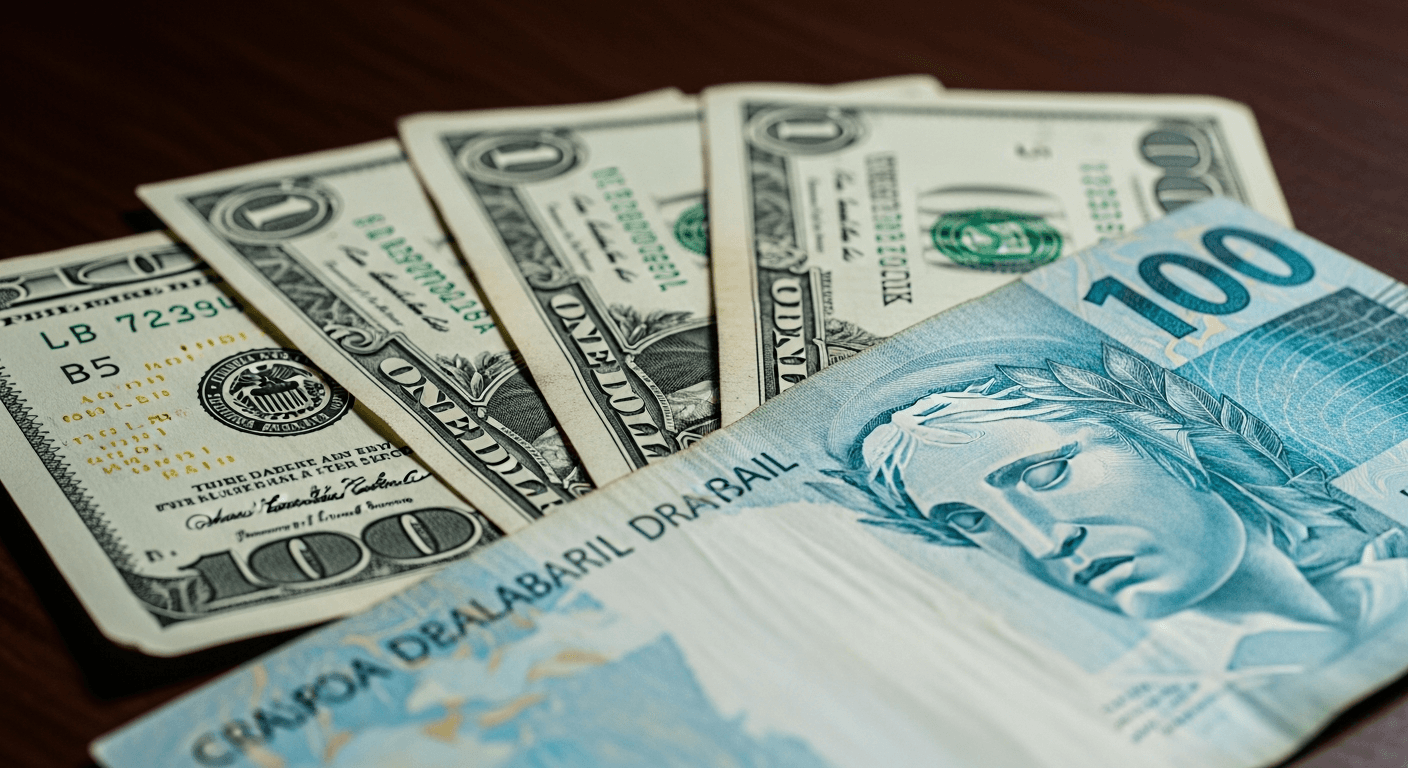
A new 25% U.S. tariff on a wide range of Brazilian imports officially took effect on July 22, 2026, introducing fresh volatility to the Brazil stock market today. Enacted by the Office of the U.S. Trade Representative (USTR) under Section 301 of the Trade Act of 1974, the duties target an estimated $7 billion to $11 billion of Brazilian exports. The trade measures follow a yearlong investigation into what Washington identifies as unfair trade practices, including issues surrounding digital payments, ethanol market access, and deforestation.
The tariff implementation has immediate implications for global investors monitoring the USD BRL currency pair and the benchmark Ibovespa today. While the U.S. has exempted critical commodities such as beef, orange juice, and civil aircraft components to prevent domestic supply chain disruptions, the duties hit key export sectors including apparel, wood products, and agricultural machinery. Large-cap B3 stocks are bracing for impact, though major exporters with significant U.S. exposure, such as aircraft manufacturer Embraer (ERJ) and mining giant Vale (VALE), may see limited direct hits due to these specific commodity carve-outs.
In response, the Brazilian government has condemned the unilateral measures and is prepared to leverage its Economic Reciprocity Law (Law No. 15,122/2025), which was enacted in April 2025 to authorize proportional countermeasures and the suspension of trade concessions. This legal framework allows Brazil to respond to unilateral trade barriers, setting the stage for potential reciprocal actions.
For those looking to invest in Brazil or holding the MSCI Brazil ETF (EWZ), the trade friction adds a layer of complexity to an already tight macroeconomic environment. The tariff dispute coincides with high domestic borrowing costs, as Brazil interest rates Selic currently stand at 14.25%. The Central Bank of Brazil’s Monetary Policy Committee (Copom) has maintained elevated rates to combat persistent domestic inflation, leaving local equities highly sensitive to external trade shocks.
Related coverage
Politics · PRO
Brazil Supreme Court Moves to Impose Binding Fiscal Discipline on All Government Spending
Published
Politics · PRO
Brazil’s PPSA Schedules First Auction to Break Petrobras Gas Monopoly, Targeting 50% Price Cut for Industry
Published
Politics · PRO
Brazil’s Election Defined by Stark Fiscal Divide Over High Debt and 13.75% Interest Rate
Published