
Lula Congressional Support Halves, Escalating Brazil Fiscal Risks
Brazil's Senate support for President Lula's priority bills has plummeted to 38.5%, fueling investor concern over fiscal gridlock and USD/BRL volatility.
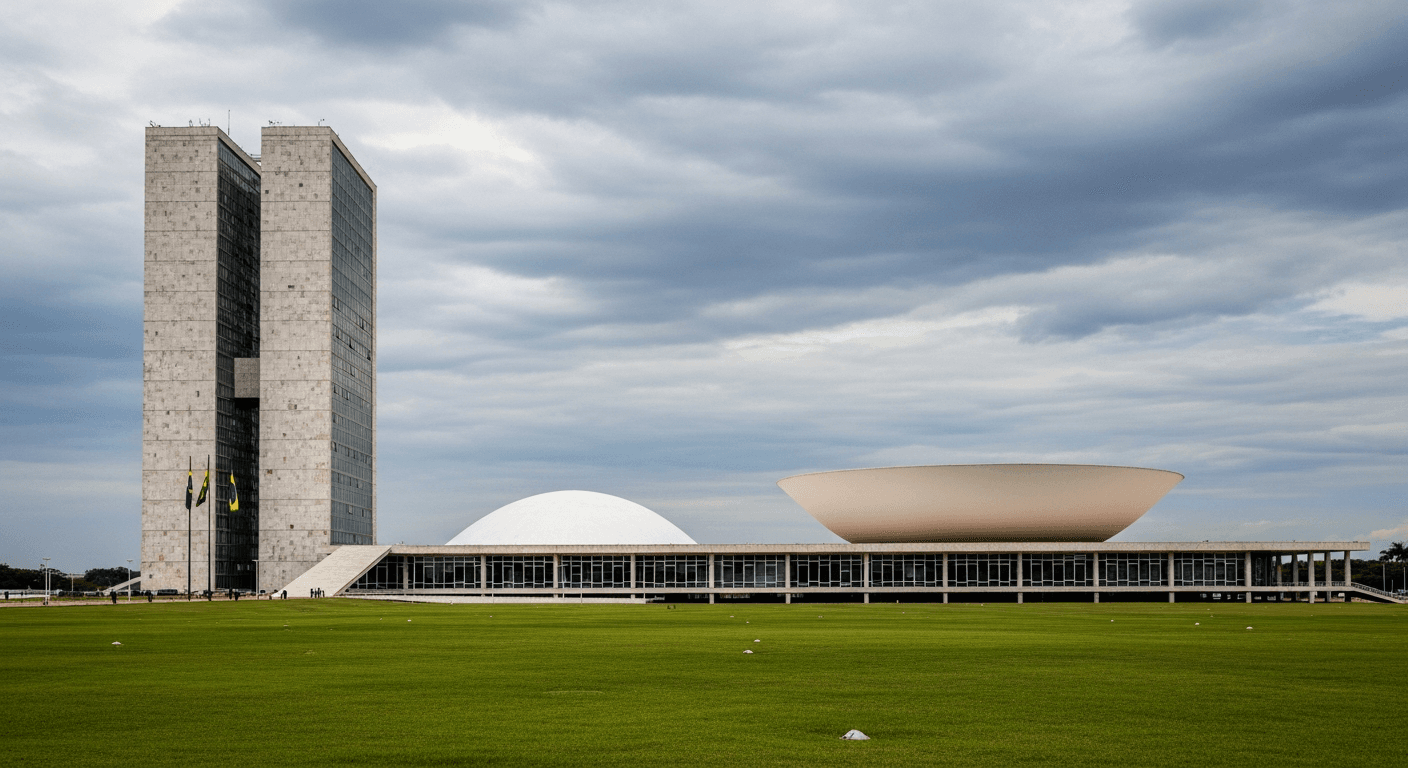
A severe erosion of legislative support for Brazilian President Luiz Inácio Lula da Silva has heightened fiscal risks and injected fresh volatility into domestic financial markets. Government support for priority bills in the Federal Senate plummeted from 75% in the first half of 2025 to just 38.5% in the first half of 2026. This sharp decline occurred despite the executive branch releasing a record R$33.89 billion in parliamentary amendments during the first six months of 2026 in an attempt to secure legislative backing.
The breakdown in congressional alignment directly threatens Brazil's fiscal credibility, a primary driver for the USD/BRL exchange rate and the country's sovereign risk premium. Key centrist "Centrão" parties—including the MDB, PSD, and União Brasil—are actively distancing themselves from the Executive branch as they position themselves for upcoming political cycles. This political decoupling has resulted in legislative gridlock, stalling crucial tax and administrative reforms while paving the way for Congress to advance populist, high-impact spending proposals estimated to cost the treasury around R$215 billion.
This legislative bottleneck limits the government's ability to deliver on fiscal targets, complicating the outlook for the Brazil ETF (EWZ) and major Brazilian ADRs like Itaú Unibanco (ITUB) and Banco Bradesco (BBD). Market participants warn that a widening fiscal deficit will keep Brazil inflation IPCA elevated, forcing the central bank to maintain a restrictive stance. With the Selic benchmark rate currently at 14.25%, any delay in fiscal adjustments reduces the likelihood of a near-term Copom decision to cut interest rates, further pressuring the Ibovespa today.
In currency markets, the USD/BRL continues to trade under pressure as foreign investors demand a higher premium to hold Brazilian assets amid rising political uncertainty. On the B3, the benchmark Ibovespa index has struggled to sustain upward momentum, reflecting cautious corporate valuations. Going forward, traders will closely monitor congressional votes on budget guidelines and any executive maneuvers to rein in the R$215 billion in potential spending liabilities, which remain critical to stabilizing the Brazilian real forecast.
Related coverage
Politics · PRO
Brazil Supreme Court Moves to Impose Binding Fiscal Discipline on All Government Spending
Published
Politics · PRO
Brazil’s PPSA Schedules First Auction to Break Petrobras Gas Monopoly, Targeting 50% Price Cut for Industry
Published
Politics · PRO
Brazil’s Election Defined by Stark Fiscal Divide Over High Debt and 13.75% Interest Rate
Published