
Brazil Accelerates China-Mercosul Trade Deal After US Imposes 25% Tariffs
President Lula and Xi Jinping agreed to fast-track a China-Mercosul agreement days after the US hit Brazilian goods with a 25% Section 301 tariff.
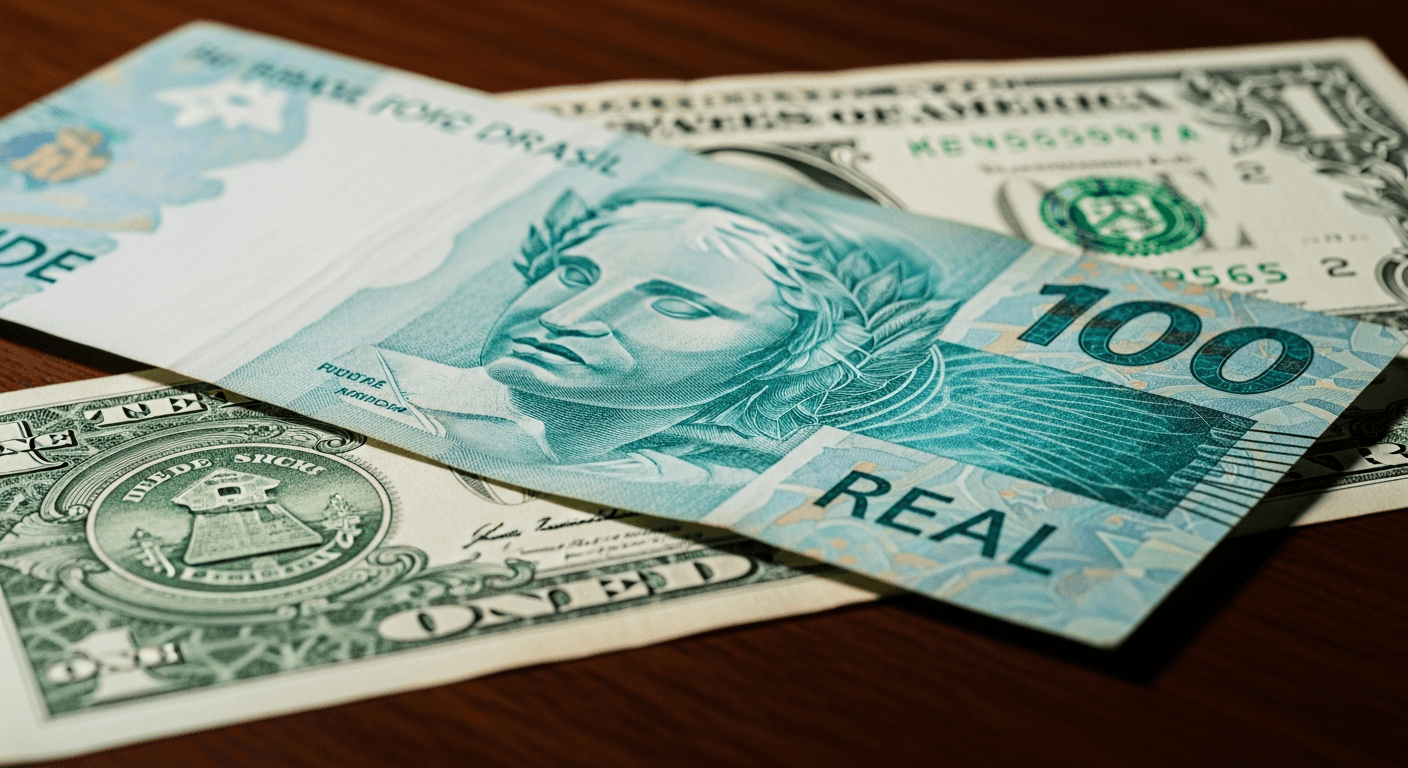
Brazil’s President Luiz Inácio Lula da Silva moved to dramatically accelerate negotiations for a trade agreement between the Mercosul bloc and China, making a direct pivot away from the United States just days after Washington imposed a sweeping new set of tariffs on Brazilian exports. Lula and Chinese President Xi Jinping spoke by phone on Sunday, July 26, agreeing to speed up the negotiation process for the China-Mercosul accord, according to a statement from the Planalto Palace. The call comes roughly four days after the U.S. Office of the Trade Representative (USTR) concluded a Section 301 investigation by imposing a 25% tariff on a broad range of Brazilian goods, effective July 22.
The punitive U.S. action, which targets sectors including machinery, ethanol, and footwear, follows a year-long Section 301 investigation into alleged unfair trade practices by Brasília, including issues related to digital trade, intellectual property, and what the USTR termed “illegal deforestation.” In a clear sign that the tariffs would trigger an immediate geopolitical realignment, Lula published an op-ed in The Washington Post on Sunday, calling the tariffs a “strategic mistake” and warning that the duties would disrupt current supply chains, forcing Brazilian companies to replace American suppliers with partners elsewhere. The move signals a major trade policy shift for Brazilian exporters, who may now prioritize the immense Chinese market over the US to mitigate the new tariff burden.
The immediate market impact is likely to be mixed, providing tailwinds for commodity exporters and headwinds for the Brazilian real (USD/BRL). Companies like VALE3, a major iron ore exporter to China, and agribusiness giants such as JBS are expected to see their already high exposure to the Chinese market become a strategic advantage, buffering them from U.S. trade friction. Conversely, the uncertainty surrounding trade flows and a potential deterioration of the Brazil-U.S. bilateral relationship could put downward pressure on the Brazilian real, which currently trades near R$5.0860 to the U.S. Dollar. The Ibovespa saw a minor dip in initial trading, reflecting broader political risk premium rather than the fundamental shift in commodity-driven export revenues.
For investors, the crucial mechanism is that the US tariffs effectively make certain Brazilian exports uncompetitive in America, pushing those trade flows—and the associated diplomatic focus—toward China, Brazil’s largest trading partner. The commitment by Lula and Xi to accelerate the Mercosul-China negotiations, emphasizing the “necessary flexibilities” to expedite the process, indicates that a limited trade agreement could move forward faster than analysts had previously modeled.
The next major signpost for this trade policy pivot will be the upcoming Mercosul bloc meeting, where Brazil will press to formalize a faster track for the China deal. The market will be watching the trade data prints over the next two months to gauge the initial impact of the US tariffs on Brazilian export volumes and whether the shift toward China in key manufacturing and commodity sectors accelerates faster than predicted, thereby validating Lula’s strategic pivot.
Related coverage
Politics · PRO
Brazil Supreme Court Moves to Impose Binding Fiscal Discipline on All Government Spending
Published
Politics · PRO
Brazil’s PPSA Schedules First Auction to Break Petrobras Gas Monopoly, Targeting 50% Price Cut for Industry
Published
Politics · PRO
Brazil’s Election Defined by Stark Fiscal Divide Over High Debt and 13.75% Interest Rate
Published