High US Long-Term Rates Crimp Brazilian Real Strength Despite Post-Fed Rally
Elevated US 10-year Treasury yields at 4.70% are placing fundamental pressure on the BRL, threatening to unwind recent gains against the US Dollar.


Elevated US 10-year Treasury yields at 4.70% are placing fundamental pressure on the BRL, threatening to unwind recent gains against the US Dollar.
The BRL appreciated after the US Federal Reserve held rates, weakening the US Dollar and increasing the appeal of Brazil's high-carry currency.
The Brazilian Real holds at R$5.11 against the US Dollar, sustained by the high 14.25% Selic rate that supports a strong carry trade.
The Brazilian Real faces pressure as investors await the Federal Reserve's rate decision, where a hawkish hold could narrow the Real's carry trade advantage.
The Brazilian Real (BRL) held near R$5.12 against the Dollar as markets awaited the US Federal Reserve's policy decision and Chairman Powell's press conference.
Median market projection for the USD/BRL exchange rate has held steady at R$5.20 for six weeks, providing long-term predictability.
The Brazilian Real weakened over the past week, driven by global risk-off sentiment and new US tariffs, prompting a re-evaluation of unhedged exposure.
Itaú, one of Brazil's largest banks, raised its 2026 year-end USD/BRL forecast, citing higher US rates and deteriorating terms of trade.
Real fails to gain ground after mid-July inflation undershoots expectations, as market focus shifts to hawkish Fed outlook.
Domestic political polarization and a rising nominal deficit establish a firm floor for the USD/BRL despite high Selic interest rates.
Brazil's IPCA-15 mid-July inflation slowed to 0.06%, dragging the annual rate to 4.52% as markets await the next Copom decision on the Selic rate.
Brazil's narrowing current account deficit and high inflation-adjusted real interest rates keep the Brazilian real highly attractive for carry trades.
A diplomatic truce between the U.S. and Iran has reduced global risk, driving the Brazilian real stronger and boosting Ibovespa futures in early trading.
Brazil's 14.25% Selic rate fuels carry trades, but new 25% US tariffs and Middle East tensions cap the Brazilian real's appreciation potential.
The Brazilian real fell to a two-week low against the US dollar as commodity shocks and hawkish Fed expectations pressure emerging market assets.
Subdued IPCA-15 inflation eases domestic pressure on the Brazilian Real, but traders brace for the FOMC decision and US tariff impacts on the USD BRL.
The Brazilian real faces a potential 3.36% depreciation toward R$5.28, threatening the lucrative BRL carry trade despite high local Selic interest rates.
The BRL weakened against the USD after hopes for a Middle East truce sent Brent crude prices down, hitting Brazil's commodity-linked assets.
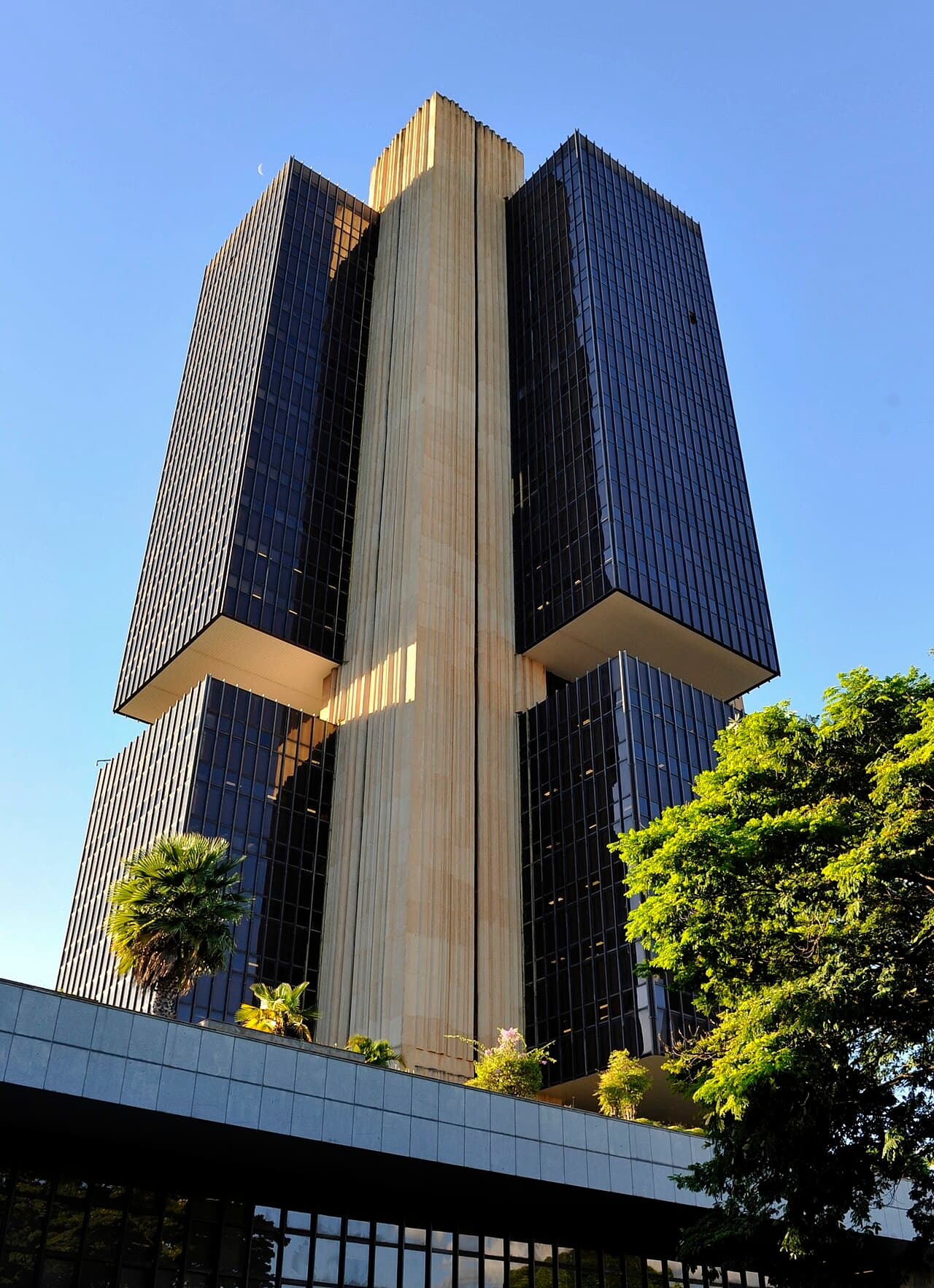
The Banco Central do Brasil will begin rolling over currency swap contracts maturing on September 1, 2026, to curb volatility in the USD/BRL market.
The USD/BRL exchange rate hovered near 5.13 after the US implemented a 25% tariff on Brazilian imports, threatening the country's export surplus.
The BRL slipped past R$5.11 recently, driven by US monetary policy and new tariffs, despite domestic political calm.
The Brazil Central Bank is rolling over its traditional FX swaps, signaling its intent to manage market liquidity ahead of the September expiry.
As Brazil's Copom cuts the Selic rate to 14.25% and the Fed remains restrictive, Rabobank targets a weaker USD/BRL of 5.35 by end-2026.
Banco Central do Brasil announced it will begin rolling over traditional currency swap contracts maturing September 1, 2026, starting August 5, 2026.
Finance Minister Dario Durigan warns the 'blusinhas' tax on sub-$50 e-commerce could return if surging imports hurt domestic retail and the Brazilian real.
The Brazilian real fell to R$ 5.11 against the US dollar amid a lack of support from global oil prices and cautious international market sentiment.
The Brazilian Real's strengthening was tested as the USD/BRL exchange rate held near R$5.13, driven by a sharp drop in crude oil prices.
The Brazilian Real hovers near 5.11 as Middle East geopolitical relief offsets new 25% US tariffs ahead of the upcoming hawkish FOMC hold.
The USD/BRL pair remains below its 50-day and 200-day moving averages, signaling technical resistance for the dollar and support for the Brazilian real.
The Brazilian real hits a seven-week high of 5.06 per USD as investors chase lucrative carry trades driven by Brazil's restrictive 14.25% Selic rate.