
Brazilian Real Holds Near 5.11 Despite US Tariff Headwinds
The Brazilian Real hovers near 5.11 as Middle East geopolitical relief offsets new 25% US tariffs ahead of the upcoming hawkish FOMC hold.
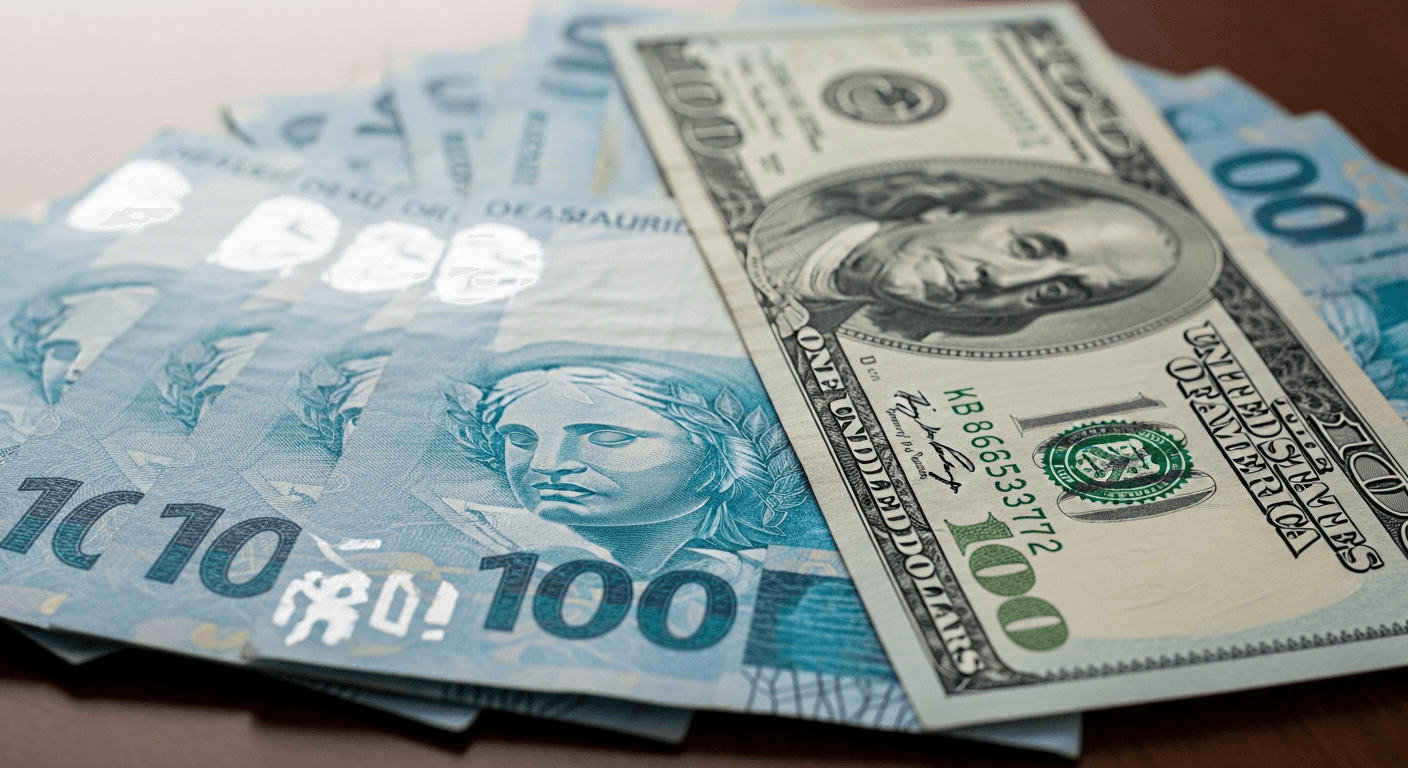
The Brazilian Real stabilized near the 5.11 mark against the greenback on July 28, 2026, with the USD/BRL trading in a tight range between 5.11 and 5.13. This slight recovery from recent downward pressure comes as a temporary pause in Middle East hostilities pulled global crude oil prices down. The geopolitical relief has offered a brief breather to emerging market currencies, temporarily offsetting severe bilateral trade headwinds and a stronger global dollar.
The primary structural weight on the Real stems from new trade barriers imposed by Washington. On July 22, 2026, a new 25% U.S. tariff on select Brazilian exports—including farm machinery, ethanol, and steel—officially took effect under Section 301 of the Trade Act of 1974. When combined with a separate 12.5% universal levy linked to labor standard investigations, the total tariff rate on affected Brazilian goods has climbed to 37.5%, threatening between $7 billion and $11 billion in export revenue. This protectionist shift has significantly clouded the medium-term Brazilian real forecast by threatening the country's trade surplus.
In the equity markets, investors looking to invest in Brazil have adopted a cautious stance. The benchmark Ibovespa index and the major Brazil ETF (EWZ) have experienced volatility as traders digest the tariff impact on major exporters and large-cap Brazilian ADRs like Petrobras (PBR) and Vale (VALE). While local equities are cushioned by high domestic interest rates, the looming reduction in export competitiveness to the U.S. remains a key concern for foreign capital inflows.
Looking ahead, market participants are shifting their focus to the upcoming Federal Open Market Committee (FOMC) meeting, where a hawkish hold is widely expected to keep global U.S. dollar demand elevated. Domestically, the Central Bank of Brazil's monetary policy committee (Copom) is also under intense scrutiny. With local inflation projections rising and the benchmark Selic rate currently sitting at a restrictive 14.25%, any future Copom decision will need to carefully balance domestic inflationary pressures against the cooling effects of global trade tensions.
Latest articles
Agro · PRO
Brazil's Bid for 80,000 Tons of Beef Exports to China Awaits Beijing's Quota Veto
Published
Markets · PRO
Brazil Finance Ministry Cuts 2026 GDP Forecast to 2.0% on Drag From High Selic Rate
Published
Investing · PRO
Brightshore Capital, Formerly GTIS Partners, Launches $250 Million Debt Platform Eyeing Brazilian Real Estate
Published