
US Tariffs and Middle East Risks Cap BRL Carry-Trade Gains
Brazil's 14.25% Selic rate fuels carry trades, but new 25% US tariffs and Middle East tensions cap the Brazilian real's appreciation potential.
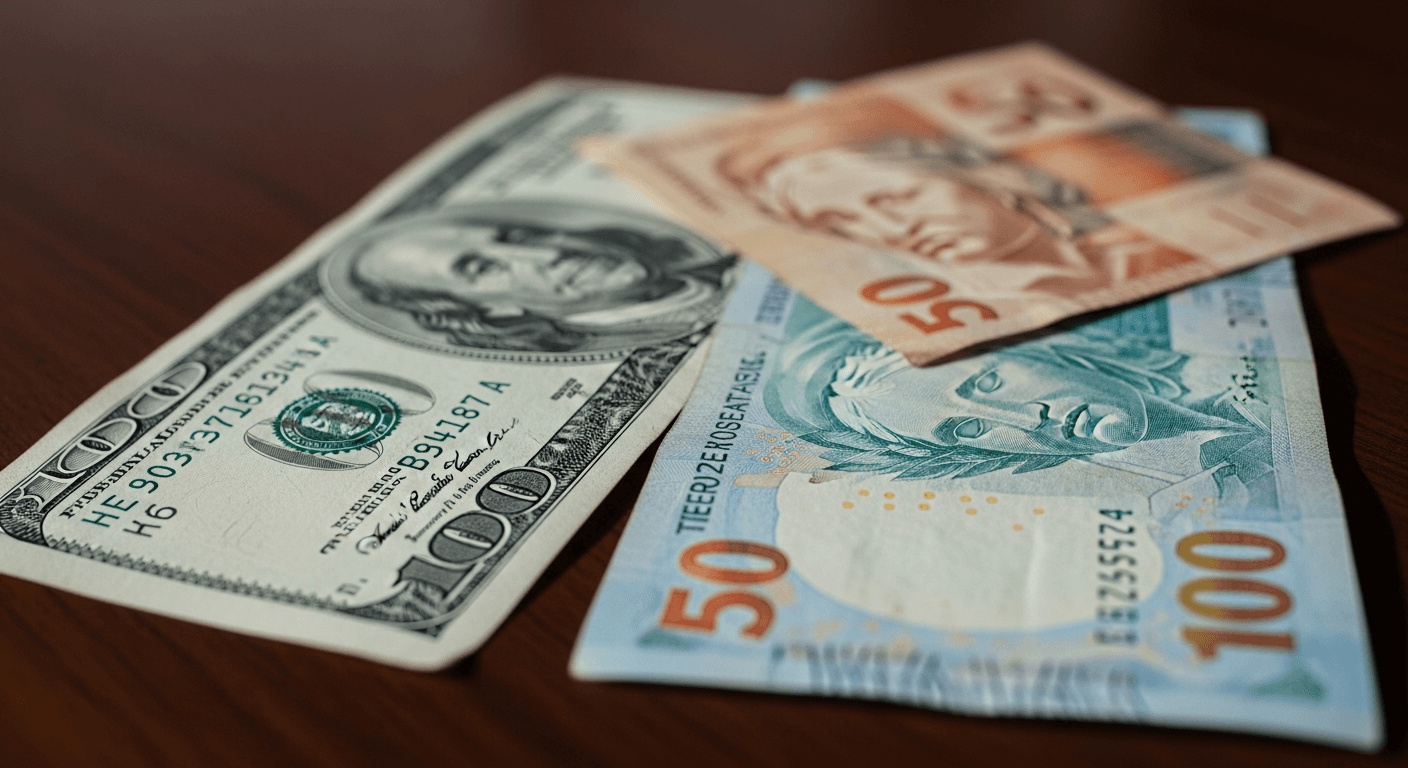
The Brazilian real faces a dual headwind of trade policy and global risk aversion, limiting its appreciation potential despite a highly lucrative yield environment. On July 28, 2026, the USD/BRL exchange rate hovered at 5.0918, showing flat daily movement as investors balanced domestic carry-trade appeal against external pressures. While Brazil’s benchmark Selic rate stands at 14.25% following a series of cautious quarter-point cuts by the central bank's Monetary Policy Committee (Copom), a newly implemented 25% US tariff on key Brazilian imports and escalating geopolitical tensions in the Middle East have capped the currency's recovery.
The primary mechanism driving the real's ceiling is the threat to Brazil’s robust trade surplus. On July 22, 2026, the Office of the US Trade Representative (USTR) enacted a 25% tariff on certain Brazilian imports—including sugar, steel, and machinery—following a Section 301 investigation into unfair trade practices. Brasília estimates the tariffs affect approximately $7.4 billion of exports. Although key products like beef, coffee, and aircraft remain exempt, the tariff raises concerns over reduced US dollar inflows and a narrowing trade surplus, which directly weakens the structural support for the real.
Simultaneously, geopolitical friction in the Middle East is driving global safe-haven demand for the US dollar. This risk-off sentiment has offset the high interest rate differential that typically draws foreign capital to invest in Brazil. While the 14.25% Selic rate continues to make Brazilian fixed-income assets highly attractive for carry-trade strategies, the elevated cost of hedging and broader emerging-market risk aversion have kept the real from breaking below key psychological support levels.
In equity markets, the impact of these macro headwinds is visible on the US-listed Brazil ETF (EWZ), which tracks the broader performance of B3 stocks. Investors are closely monitoring how major Brazilian ADRs, such as state-run oil firm Petrobras (PBR) and mining giant Vale (VALE), navigate the shifting trade landscape. While the high-yield environment remains a supportive pillar, the market is pricing in a more cautious outlook for the Brazilian real forecast.
Looking ahead, market participants will focus on the upcoming Copom decision and the central bank's inflation projections. Any signs that domestic inflationary pressures will force policymakers to halt their easing cycle could push local yields higher, potentially reviving carry-trade momentum. However, the real's trajectory will ultimately depend on whether the government can successfully mitigate the impact of the US tariffs and whether global risk sentiment stabilizes.
Latest articles
Agro · PRO
Brazil's Bid for 80,000 Tons of Beef Exports to China Awaits Beijing's Quota Veto
Published
Markets · PRO
Brazil Finance Ministry Cuts 2026 GDP Forecast to 2.0% on Drag From High Selic Rate
Published
Investing · PRO
Brightshore Capital, Formerly GTIS Partners, Launches $250 Million Debt Platform Eyeing Brazilian Real Estate
Published