
Political Fiscal Risk Hardens BRL Support Above R$5.10
Domestic political polarization and a rising nominal deficit establish a firm floor for the USD/BRL despite high Selic interest rates.
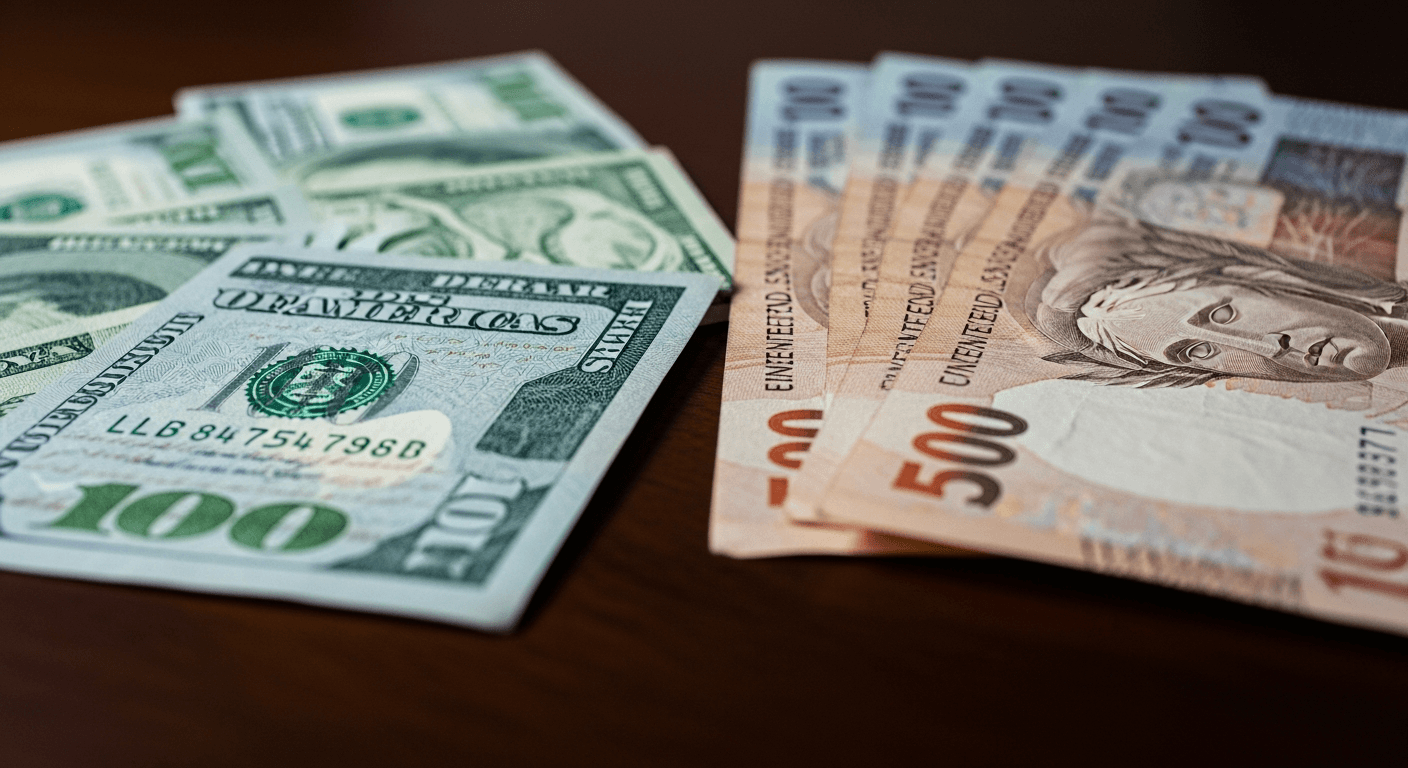
Political polarization and mounting concerns over Brazil's long-term fiscal path are establishing a firm floor for the U.S. dollar against the local currency, keeping the USD/BRL supported above the R$5.10 threshold. While high domestic interest rates have historically bolstered the currency via carry-trade inflows, persistent domestic uncertainties are counteracting these flows. On July 28, 2026, the USD/BRL was trading at 5.091851 (+0.00%), while the EUR/BRL stood at 5.797922 (+0.00%) and the GBP/BRL at 6.79062 (+0.00%).
The underlying mechanism driving this currency floor is a structural risk premium tied to the upcoming 2026 presidential election and the next government's fiscal agenda. The market has grown highly sensitive to election polls, particularly those showing a lead for candidates perceived as less committed to fiscal austerity. With the nominal budget deficit hovering near 8.5% of GDP and public spending pressures rising, foreign exchange markets are pricing in a higher risk premium. This fiscal deterioration complicates the Brazilian real forecast, as investors demand a higher yield to hold Brazilian assets, limiting the currency's room to appreciate even when global dollar pressure eases.
This fiscal backdrop directly affects how global investors choose to invest in Brazil. While the high Brazil interest rates Selic—which the central bank has kept elevated to combat unanchored inflation expectations—make BRL-denominated debt attractive, the equity market has felt the squeeze. On the B3, the benchmark Ibovespa today faces headwinds as high borrowing costs drag on corporate earnings. This trend is mirrored in U.S.-listed assets, where the main Brazil ETF (EWZ) and major Brazilian ADRs like Petrobras (PBR), Vale (VALE), and Itaú Unibanco (ITUB) are being closely watched by traders balancing high yields against fiscal volatility.
In the corporate sector, import buyers have already adjusted their hedging strategies to mitigate these risks. Corporate desks advised importers to increase their long dollar positions when the exchange rate dipped near R$5.07 earlier this month, anticipating a move higher ahead of upcoming Federal Reserve monetary policy decisions. Moving forward, market participants will closely monitor domestic inflation IPCA data, upcoming Copom decisions, and presidential polling to see if the USD/BRL can break out of its current range or if the R$5.10 floor will harden further.
Latest articles
Agro · PRO
Brazil's Bid for 80,000 Tons of Beef Exports to China Awaits Beijing's Quota Veto
Published
Markets · PRO
Brazil Finance Ministry Cuts 2026 GDP Forecast to 2.0% on Drag From High Selic Rate
Published
Investing · PRO
Brightshore Capital, Formerly GTIS Partners, Launches $250 Million Debt Platform Eyeing Brazilian Real Estate
Published