
USD BRL Hits Two-Week High Ahead of Fed and Inflation Data
The Brazilian real fell to a two-week low against the US dollar as commodity shocks and hawkish Fed expectations pressure emerging market assets.
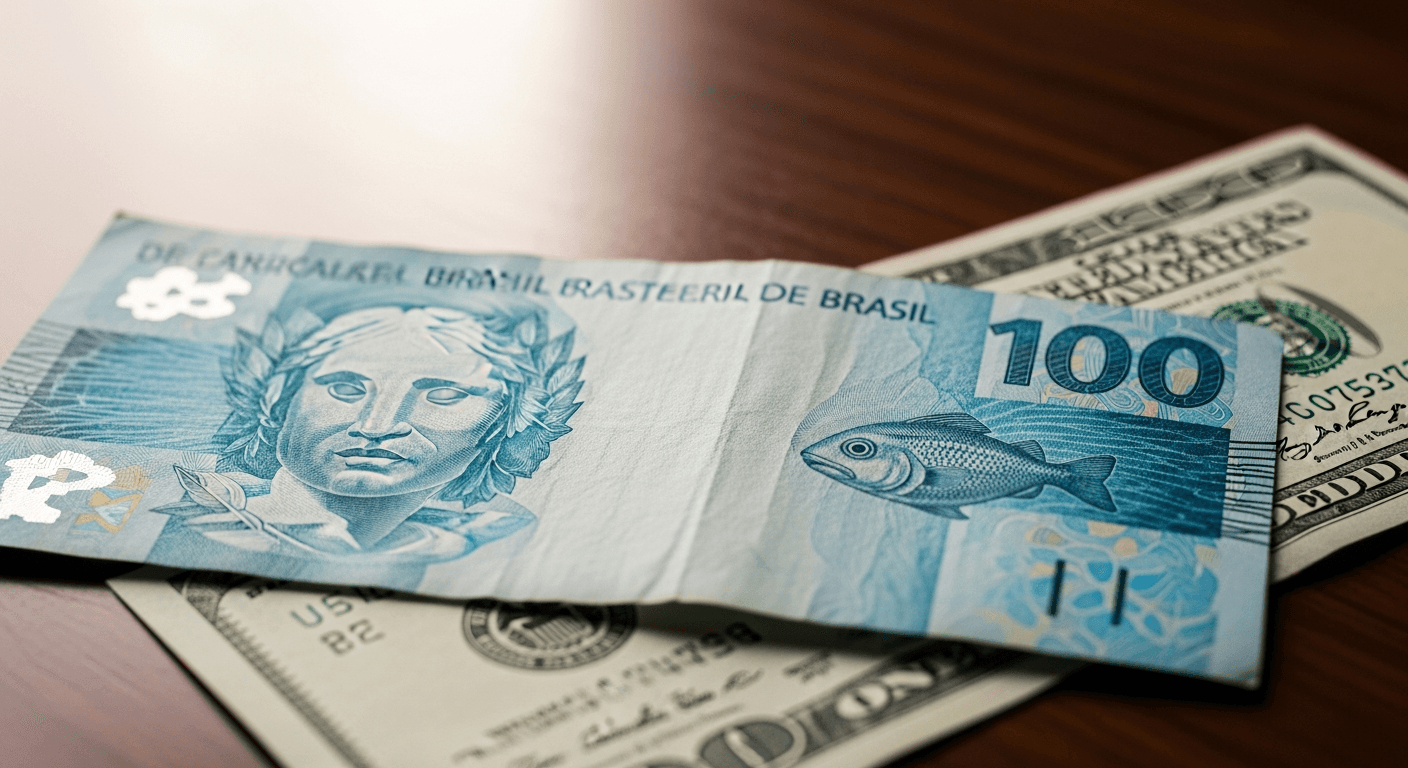
The Brazilian real fell to a two-week low against the US dollar, pressured by a sharp decline in commodity prices and rising caution ahead of major macroeconomic events. On July 27, the USD/BRL spot exchange rate closed at R$5.1122, marking a 0.62% daily increase and its highest closing level in two weeks. The real underperformed its emerging-market peers during the session, weighed down by a significant drop in global crude benchmarks.
The immediate catalyst for the real's underperformance was a steep correction in energy markets, where Brent crude oil prices slid over 6%. This sharp drop severely weakened Brazil’s terms of trade, directly impacting major commodity exporters and state-backed giants like Petrobras (PETR4 / PBR). The commodity shock combined with persistent domestic fiscal concerns to amplify risk aversion, prompting investors to seek safety in the US dollar.
This currency volatility comes at a critical juncture for those looking to invest in Brazil or holding the MSCI Brazil ETF (EWZ). On the domestic front, newly released IPCA-15 mid-month inflation data showed consumer prices rose by just 0.06% in July, coming in below the 0.20% market consensus. While the cooling inflation offers some relief, the upcoming Copom decision on August 4–5 remains highly anticipated, with the central bank closely monitoring whether the benchmark Selic rate needs to hold at 14.25% to anchor long-term expectations.
Globally, all eyes are on the US Federal Reserve's policy decision on Wednesday, July 29. Markets are heavily pricing in the likelihood that the Federal Open Market Committee (FOMC) will maintain a hawkish tone, keeping the door open for a potential interest rate hike in September. A prolonged high-rate environment in the US continues to support the greenback, complicating the short-term Brazilian real forecast and keeping pressure on Brazilian ADRs like Vale (VALE) and Itaú Unibanco (ITUB).
Latest articles
Agro · PRO
Brazil's Bid for 80,000 Tons of Beef Exports to China Awaits Beijing's Quota Veto
Published
Markets · PRO
Brazil Finance Ministry Cuts 2026 GDP Forecast to 2.0% on Drag From High Selic Rate
Published
Investing · PRO
Brightshore Capital, Formerly GTIS Partners, Launches $250 Million Debt Platform Eyeing Brazilian Real Estate
Published