Vale Chairman Race: Ollie Takes Strong Lead Ahead of Key Vote
Manuel Lino Silva de Sousa Oliveira (Ollie) leads Vale's chairman race with 1.29 billion votes, signaling a major governance shift for the mining giant.


Manuel Lino Silva de Sousa Oliveira (Ollie) leads Vale's chairman race with 1.29 billion votes, signaling a major governance shift for the mining giant.
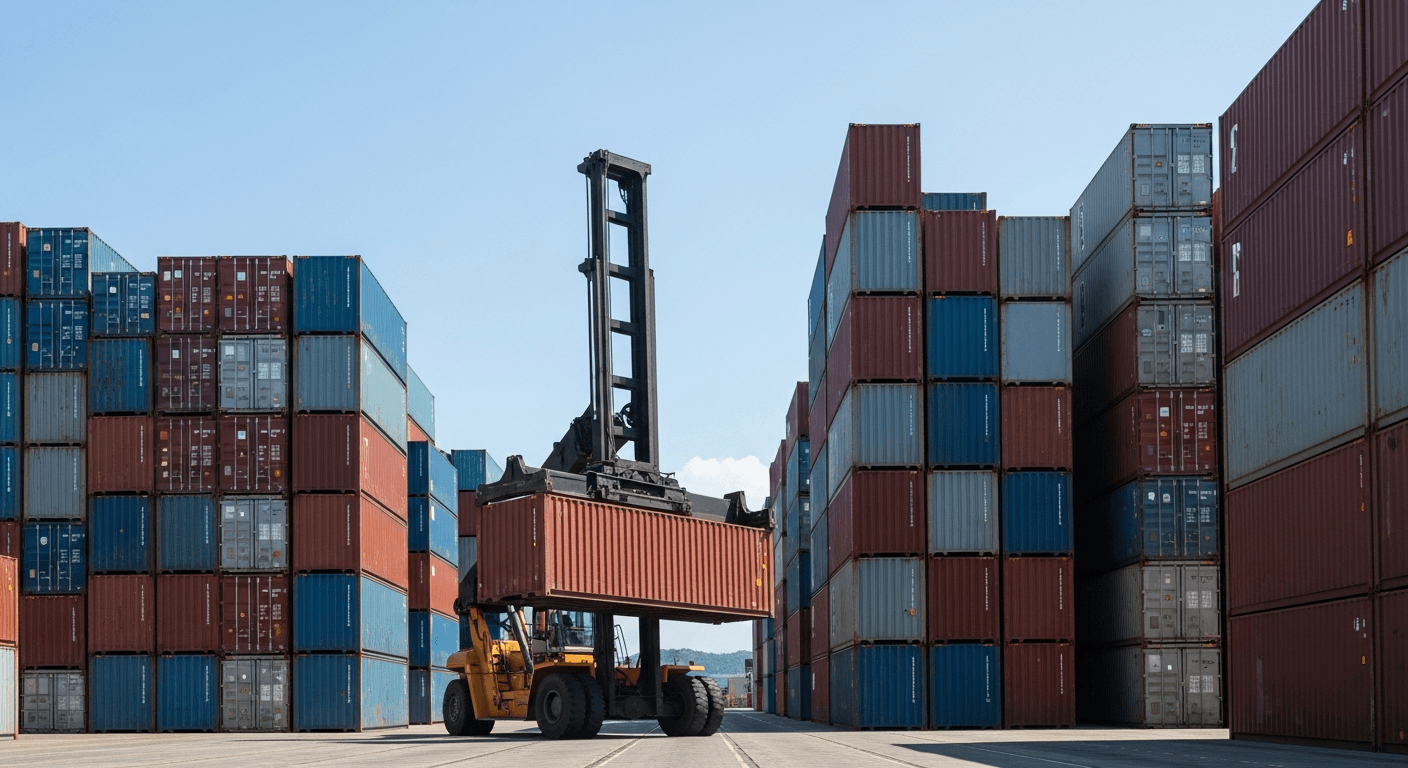
A 25% US tariff on Brazilian exports takes effect July 22, 2026, threatening trade inflows and putting upward pressure on the USD/BRL exchange rate.
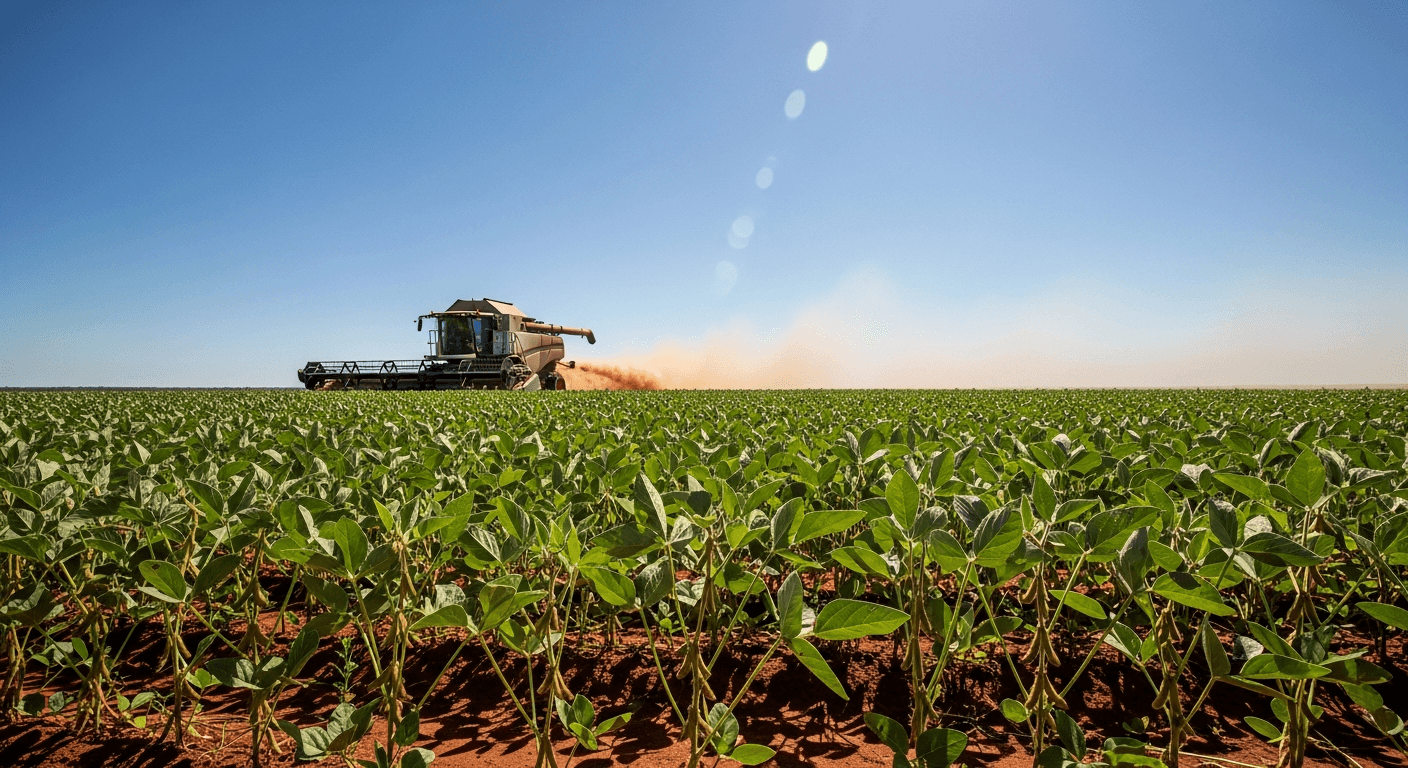
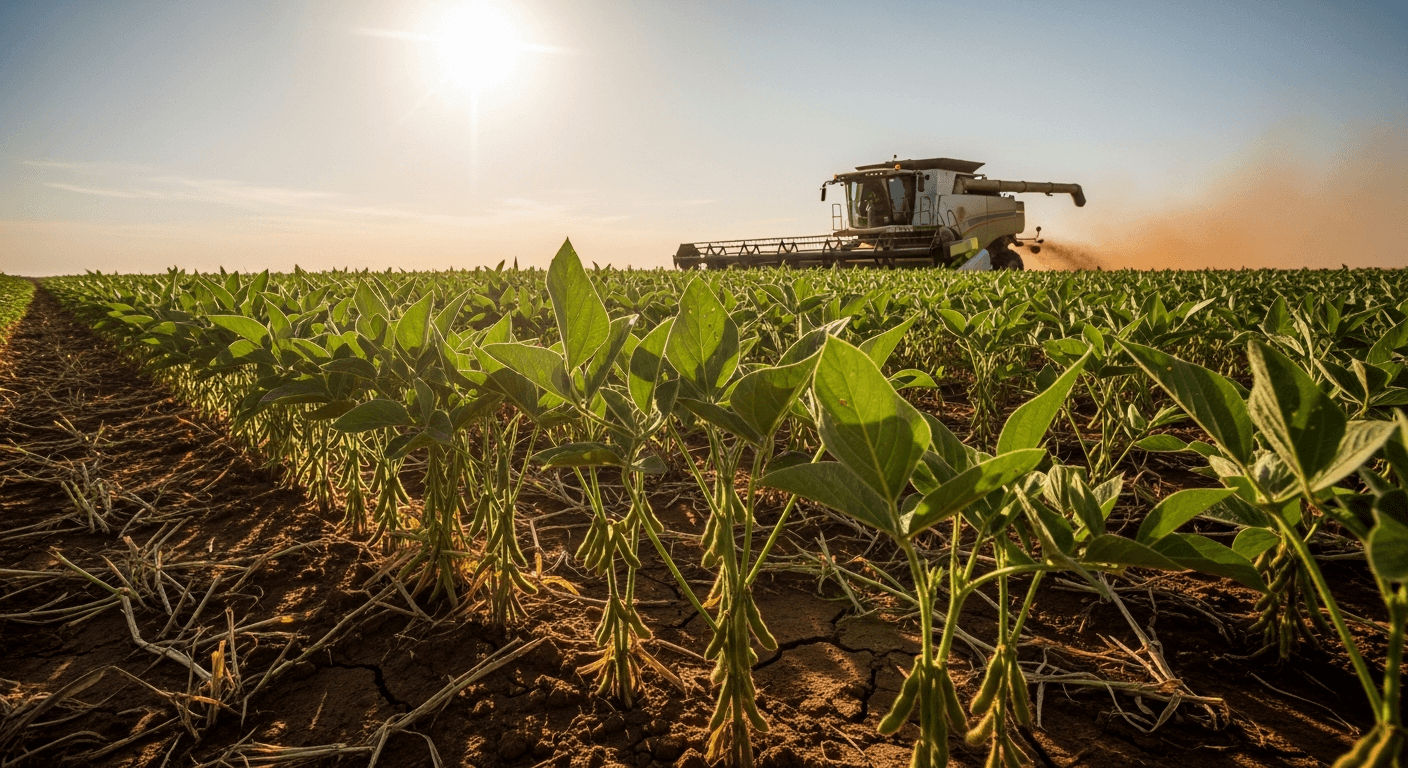
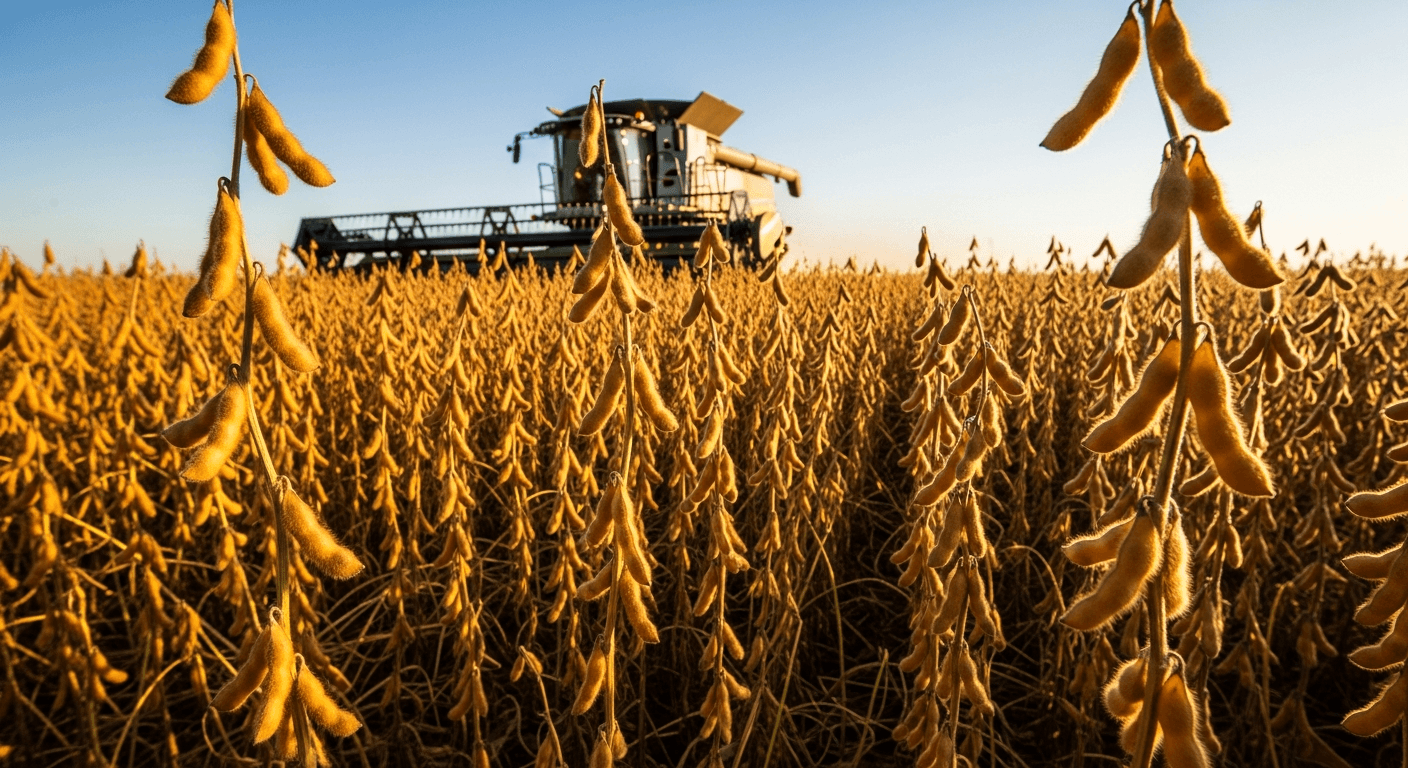
Large speculators maintain a strong net-long position in soybeans as Midwest heat concerns and robust global demand support agricultural commodities.
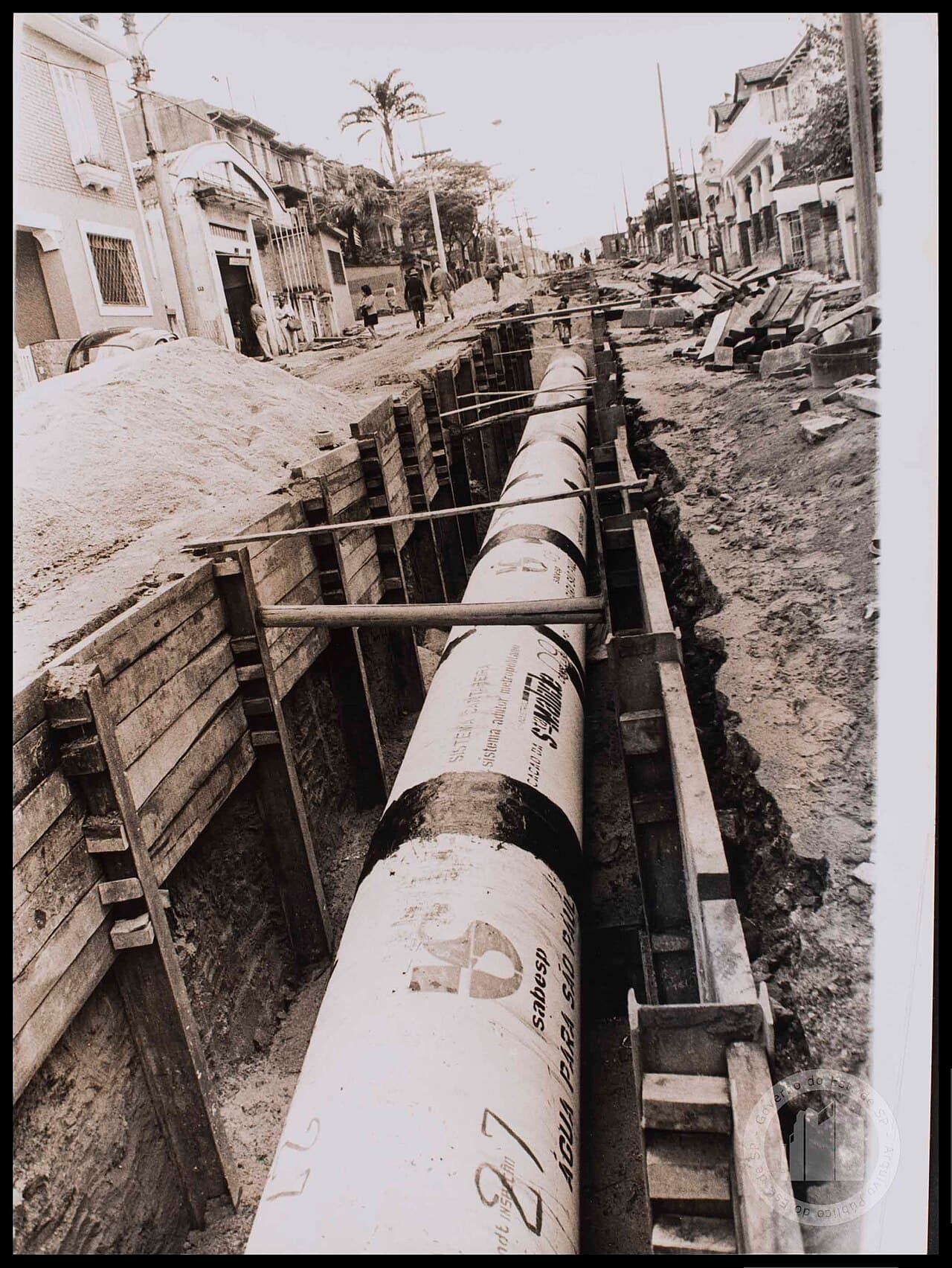
Sabesp proposes an all-share merger with EMAE, offering a negotiated 1.3195 swap ratio that positions shareholders to capture immediate premium value.
Brazilian mining giant Vale faces a high-stakes governance showdown at its shareholders' meeting as Previ pushes for board changes.
Vale (VALE) reported Q2 2026 iron ore production of 84.3 million metric tons, beating analyst consensus and marking its highest Q2 output since 2018.
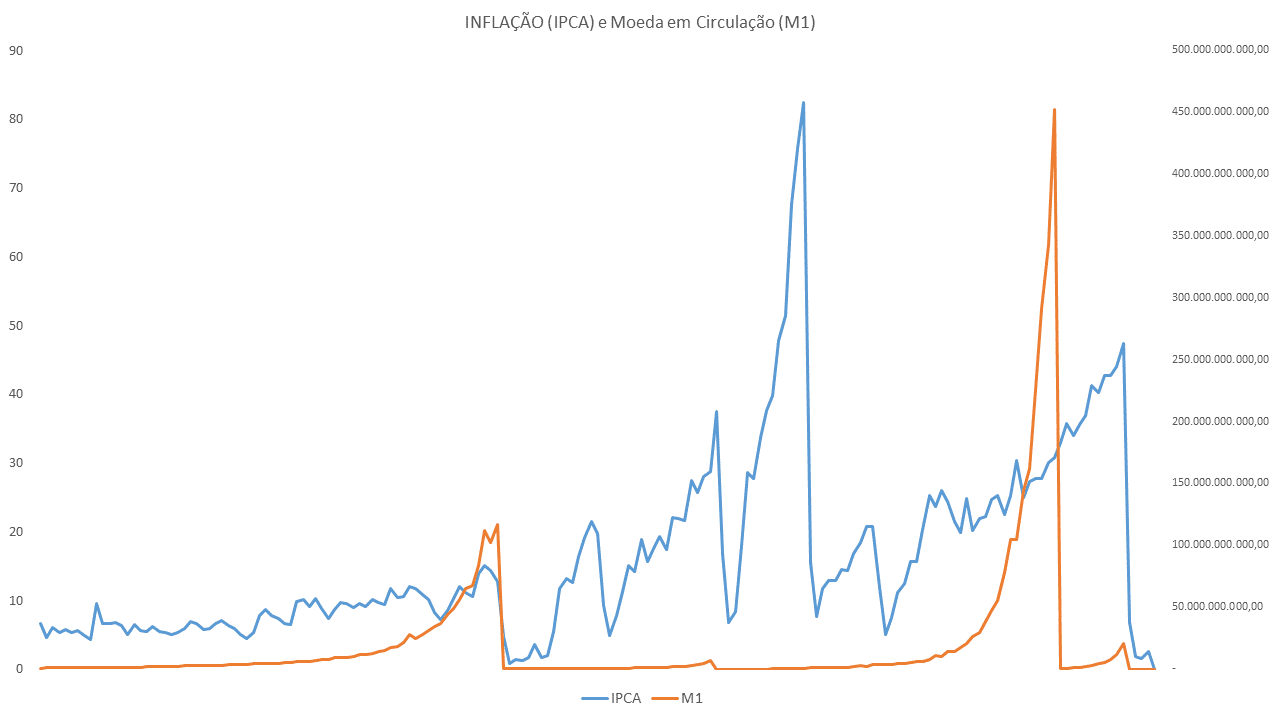
Brazil's Finance Ministry raised its 2026 inflation forecast to 5.1%, exceeding the central bank's target ceiling and threatening to stall the Selic rate-cut cycle.
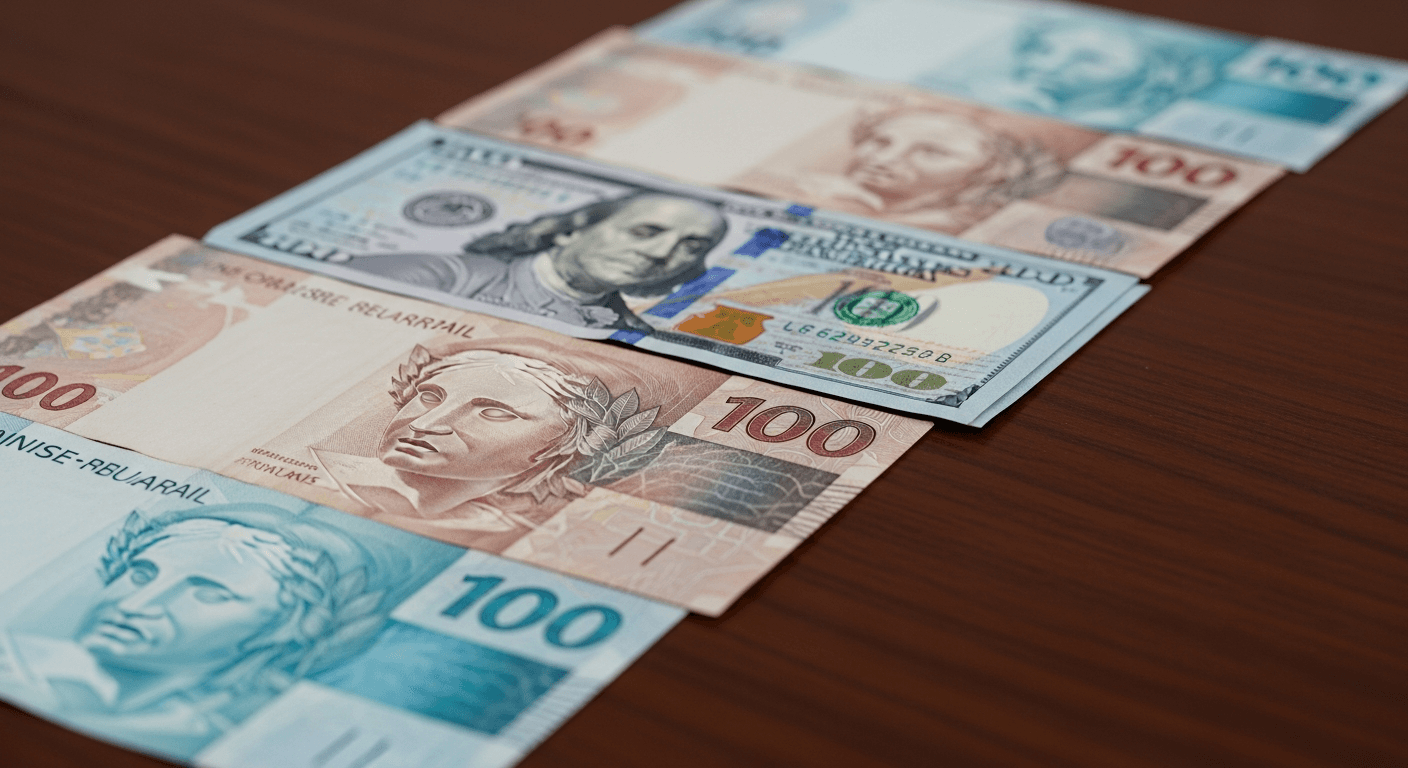
The USD/BRL exchange rate rose to 5.0891 as a 25% US import surcharge on Brazilian goods went into effect, threatening Brazil's record trade surplus.
The Banco Central do Brasil (BCB) has expanded access to foreign currency accounts, simplifying cross-border transactions and lowering costs for global investors.
The US has implemented a 25% tariff on Brazilian imports under Section 301, testing the Brazilian real forecast and foreign exchange inflows.
Brazil's Pix payment system faces US tariff pressure but continues its massive expansion, acting as a global fintech blueprint and a key bridge for crypto.
A secondary US forced labor probe could stack an additional 12.5% tariff on top of the newly enacted 25% duty, threatening Brazilian exporter margins.
The U.S. implements a 25% Section 301 tariff on Brazilian imports, exempting key commodities, as the Ibovespa today edges down amid Middle East tensions.
Big speculators hold net-long soybean positions, signaling potential price moves as the Brazil stock market today registers a slight decline.
Brazilian cancer-care provider Oncoclinicas files for out-of-court restructuring to reprofile R$5.1 billion in debt, opening high-yield distressed opportunities.
Brazil's real is cushioned by $17.78 billion in H1 foreign exchange inflows and high Selic rates, even as the 2026 inflation forecast rises to 5.1%.
A new 25% US tariff on Brazilian exports starting July 22 threatens to reduce dollar inflows, clouding the Brazilian real forecast despite recent gains.
The US will levy a 25% Section 301 tariff on Brazilian imports starting July 22, 2026, weakening the Brazilian real and pressuring local equities.
Large traders hold heavily net-long mini soybean positions, signaling strong bullish momentum for Brazil agribusiness and the broader B3 stocks.
Raízen (RAIZ4) agreed to sell its Caarapó mill to Adecoagro (AGRO) for R$ 760 million in cash, boosting liquidity and optimizing its agroindustrial portfolio.
Brazil's Finance Ministry raised its 2026 inflation forecast to 5.1% from 4.5%, signaling persistent fiscal strain and a prolonged restrictive Selic rate.
Brazil's 2026 IPCA inflation forecast fell to 5.15%, marking its third straight weekly decline, while the year-end Selic rate projection held at 14.00%.
The newly confirmed 25% US tariff on Brazilian imports starting July 22, 2026, threatens to curb Brazil's trade surplus and halt the real's momentum.
Speculators hold net-long soybean positions as weather concerns and Chinese demand drive agribusiness and impact Brazilian equities.
Financial fraud registrations in Brazil hit 9 million in H1 2026, a 10.26% rise driven by the Central Bank's Resolution 501 data-sharing mandates.
Brent crude jumps 4.63% to $88.13 amid US-Iran military clashes, injecting volatility into Petrobras pricing and fueling Brazil inflation worries.
A new 25% US import tariff on non-exempt Brazilian goods starting July 22 threatens trade inflows, testing the Brazilian real and Ibovespa today.
A new 25% US tariff on $7.4 billion of Brazilian exports will hit São Paulo and Santa Catarina hardest, forcing companies to redirect trade flows.
Large speculators maintain net-long soybean positions amid rising Chinese demand and weather risks, directly impacting Brazil agribusiness and the EWZ ETF.
BCB Resolution No. 575 modernizes foreign exchange rules, allowing exporters and foreign-backed firms to hold direct foreign currency accounts in Brazil.