
Vale Beats Q2 Consensus with Highest Iron Ore Output Since 2018
Vale (VALE) reported Q2 2026 iron ore production of 84.3 million metric tons, beating analyst consensus and marking its highest Q2 output since 2018.
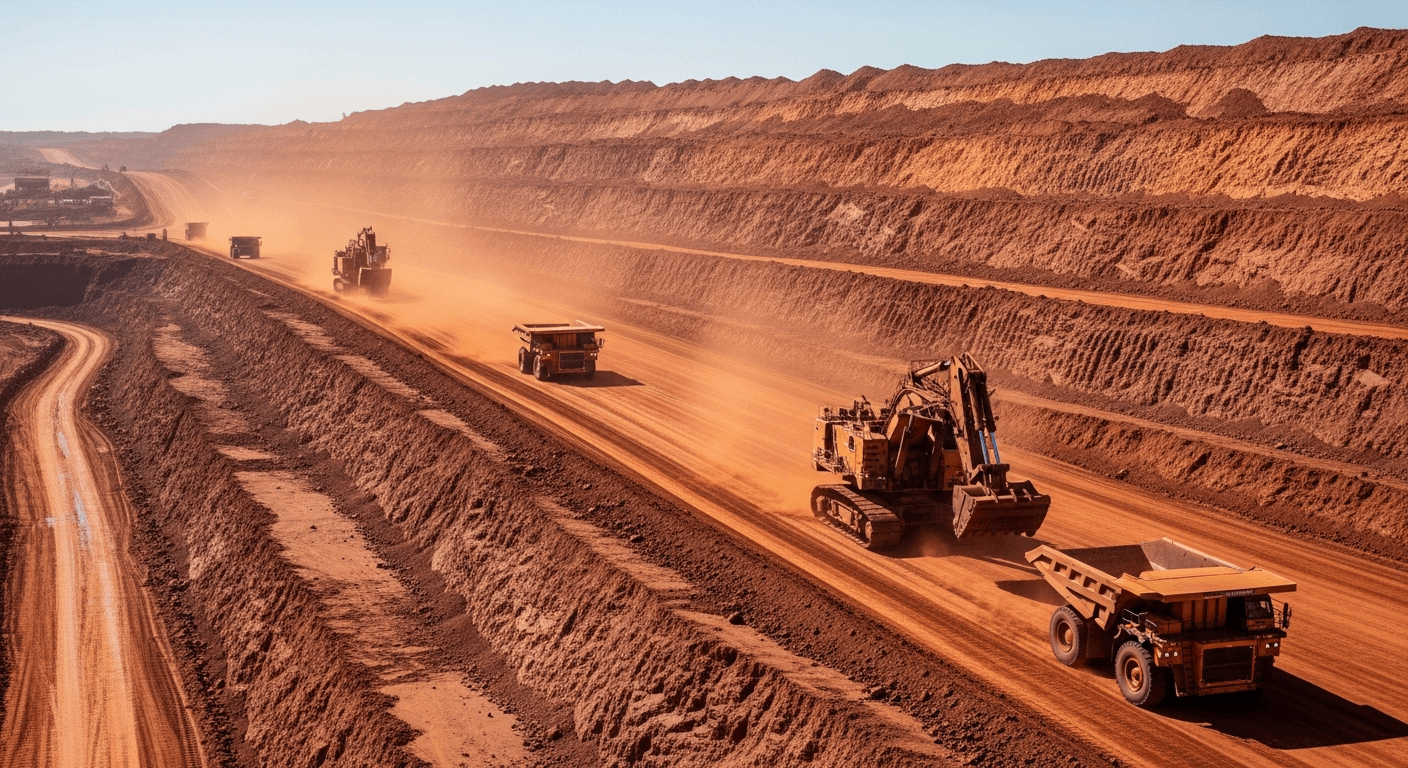
Brazilian mining giant Vale S.A. (VALE) delivered a strong operational performance in the second quarter of 2026, reporting iron ore production of 84.3 million metric tons. This represents a 0.8% increase year-over-year and a 2.6% beat against the Visible Alpha analyst consensus of 82.2 million tons. The robust output marks Vale's highest second-quarter iron ore production since 2018, signaling strong operational execution that could help buffer the company against volatile global steel demand.
The standout driver of the quarter was the company's flagship S11D mine in the Northern System, which achieved a record quarterly output of 23.4 million metric tons. This record performance was supported by the ongoing ramp-up of supplementary projects, including Capanema and VGR1. Meanwhile, Vale's iron ore sales grew by 3.1% year-over-year to 79.7 million metric tons, outpacing production growth and indicating an active drawdown of inventory.
The strong production figures provide a positive catalyst for investors looking to invest in Brazil through large-cap equities and the broader Brazil ETF (EWZ). On the local exchange, Vale's performance helped support the market amid minor broader index fluctuations. In recent trading, Vale's local shares (VALE3) rose 0.61% to 72.37 BRL, while state-run oil firm Petrobras (PETR4) gained 1.24% to 41.66 BRL, and financial heavyweight Itaú Unibanco (ITUB4) climbed 0.54% to 42.53 BRL. The benchmark Ibovespa today (IBOV) edged slightly lower by 0.03% to 173,325.66 points.
Related coverage
Markets · PRO
Brazil Finance Ministry Cuts 2026 GDP Forecast to 2.0% on Drag From High Selic Rate
Published
Markets
Brazil's Election Divide Crystallizes Over Fiscal Rules, Lula Rejects PIX Privatization
Published
Markets · PRO
Petrobras to Drill Three More Equatorial Margin Wells After Securing IBAMA Approval
Published