
US Tariff on Brazilian Goods Takes Effect, Threatening USD BRL
A 25% US tariff on Brazilian exports takes effect July 22, 2026, threatening trade inflows and putting upward pressure on the USD/BRL exchange rate.
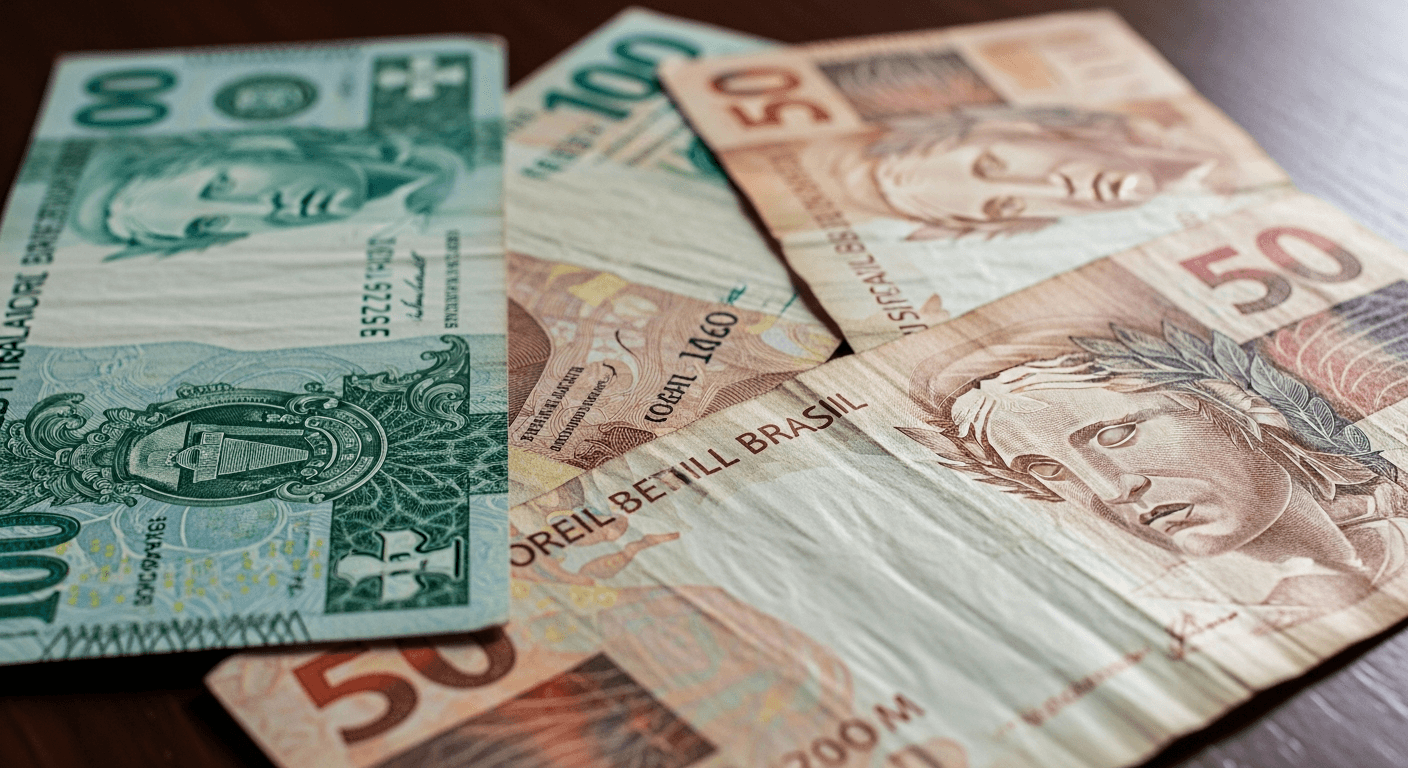
A new 25% US tariff on select Brazilian goods officially took effect on July 22, 2026, threatening export-driven foreign exchange inflows and putting the Brazilian real under pressure. The Office of the US Trade Representative (USTR) finalized the 25% ad valorem surcharge under Section 301 of the Trade Act of 1974, following a yearlong investigation into Brazil's domestic policies. These investigations scrutinized digital trade restrictions, intellectual property protection, and agricultural trade dynamics.
The implementation of the tariff could significantly strain Brazil's trade revenues if export volumes to the US decline. While major commodities like beef, orange juice, and soluble coffee were spared under specific USTR exemptions, a vast array of industrial and manufactured goods face the new 25% barrier, with some potentially facing up to 37.5% if stacked with other pending trade measures. This trade friction is expected to weigh heavily on Brazil's trade surplus, reducing the volume of US dollars entering the domestic market.
Market participants are closely watching how the resulting pressure on the trade balance will impact the currency market. As of July 22, 2026, the USD/BRL is trading at 5.077823 (+0.00%), while the EUR/BRL stands at 5.794596 (+0.00%) and the GBP/BRL is at 6.797228 (+0.00%). Analysts warn that a prolonged reduction in export-driven FX inflows could push the USD/BRL back above the R$ 5.10 threshold in the coming weeks.
On the B3 exchange, the tariff implementation is also keeping equity investors on alert. Major blue chips, including mining giant Vale (VALE3) and the broader Ibovespa today, are being monitored for secondary impacts on global supply chains. For foreign investors looking to invest in Brazil, the currency volatility is also expected to influence the performance of the benchmark Brazil ETF (EWZ) and major US-listed Brazilian ADRs in the near term.
Latest articles
Agro · PRO
Brazil's Bid for 80,000 Tons of Beef Exports to China Awaits Beijing's Quota Veto
Published
Markets · PRO
Brazil Finance Ministry Cuts 2026 GDP Forecast to 2.0% on Drag From High Selic Rate
Published
Investing · PRO
Brightshore Capital, Formerly GTIS Partners, Launches $250 Million Debt Platform Eyeing Brazilian Real Estate
Published