
Brazil Financial Fraud Registrations Rise 10% Under BC Rules
Financial fraud registrations in Brazil hit 9 million in H1 2026, a 10.26% rise driven by the Central Bank's Resolution 501 data-sharing mandates.
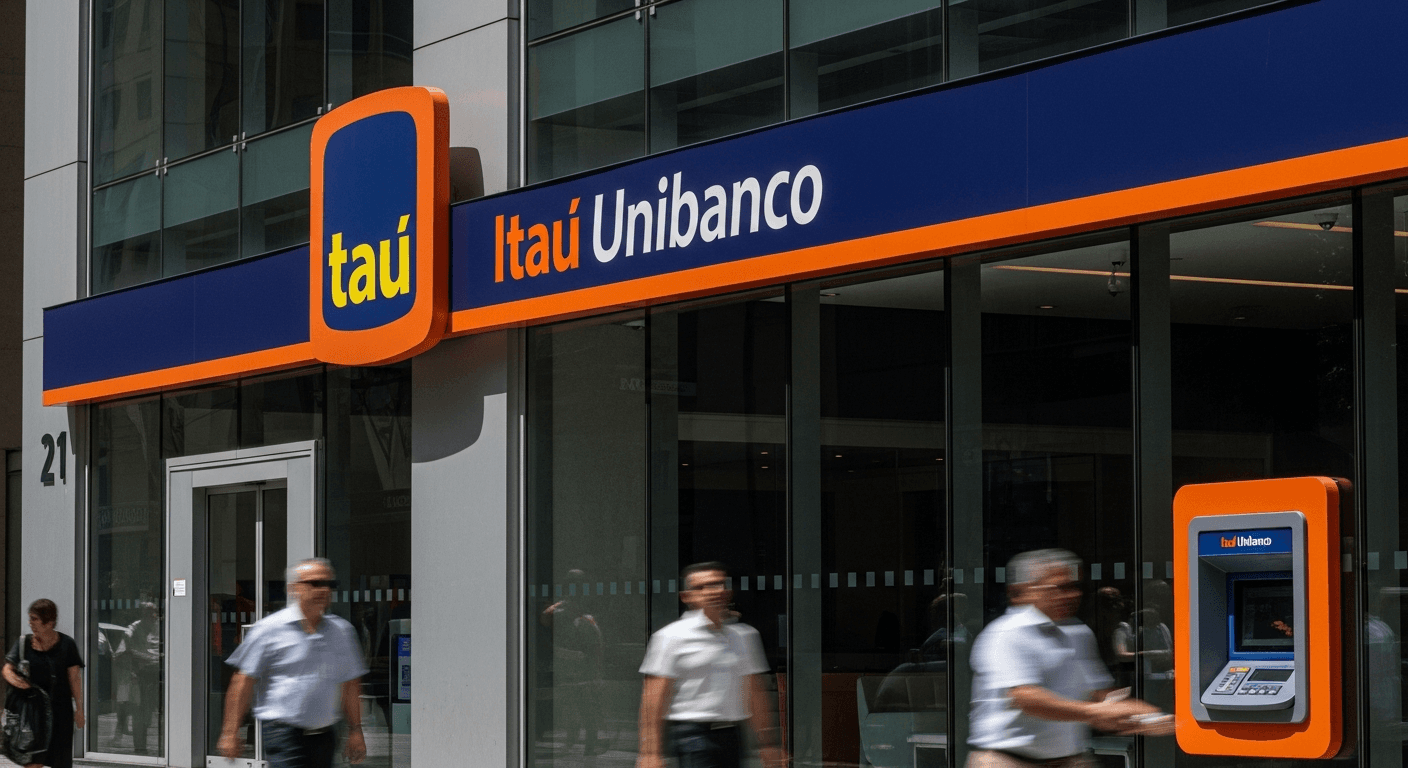
A sharp rise in recorded financial fraud across Brazil is highlighting both the success of tighter regulatory tracking and the persistent cybersecurity challenges facing the country's fintech and banking sectors. Financial fraud and suspected fraud registrations reached 9 million occurrences in the first half of 2026, marking a 10.26% increase compared to the second half of 2025.
This statistical jump is primarily attributed to the implementation of the Central Bank of Brazil's (BCB) Resolution 501. The regulation, which took effect in late 2025, mandated robust data sharing and obligated financial institutions to reject transactions directed to accounts with a "founded suspicion" of fraud. While the rule helps banks mitigate operational risk over the long term, it has initially brought a massive volume of previously unrecorded illicit activity to light. Social engineering tactics, such as phishing and impersonation scams, remain the primary threat vector, accounting for 40% of all registered fraud events with a total of 3.6 million cases.
For global investors tracking the Brazil ETF (EWZ) or considering whether to invest in Brazil, these figures underscore the rising compliance and technology costs for major financial institutions. On the B3, major banking equities showed mixed reactions in today's trading. Itaú Unibanco (ITUB4, ITUB) traded down at 41.96 (-1.39%), while the broader Ibovespa today edged lower to 173,714.08 (-0.06%). Elsewhere in the market, state-run oil giant Petrobras (PETR4, PBR) rose to 40.9 (+2.53%), and mining giant Vale (VALE3, VALE) remained virtually flat at 72.94 (-0.05%).
While the rise in fraud registrations may pressure short-term operational expenditures for retail lenders like Itaú and Bradesco (BBDC4, BBD), analysts note that the unified data-sharing framework under Resolution 501 ultimately strengthens the security of the Brazilian Payment System (SPB). By forcing institutions to actively block suspicious capital flows, the central bank aims to curb the financial reach of organized crime and improve asset recovery, stabilizing the broader fintech ecosystem.
Related coverage
Markets · PRO
Brazil Finance Ministry Cuts 2026 GDP Forecast to 2.0% on Drag From High Selic Rate
Published
Markets
Brazil's Election Divide Crystallizes Over Fiscal Rules, Lula Rejects PIX Privatization
Published
Markets · PRO
Petrobras to Drill Three More Equatorial Margin Wells After Securing IBAMA Approval
Published